Why Your Refrigerator Has Water at the Bottom and How to Fix It
Learn why a fridge has water at the bottom and proven steps to diagnose, fix, and prevent this issue. From blocked defrost drains to door seals, get a practical, safe troubleshooting plan.


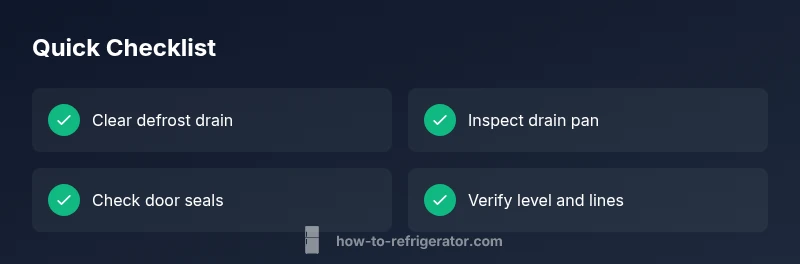
Water pooling at the bottom almost always points to a blocked defrost drain or a misrouted drainage path. Begin by inspecting and clearing the defrost drain, then verify the drain pan is correctly positioned and the doors seal well. If the issue persists, consider a professional diagnosis.
What you're seeing and why it happens
Water at the bottom of a refrigerator is a common symptom of multiple issues, but it almost always centers on the drainage system. In most modern fridges, melted frost from the freezer part travels through a small defrost drain toward a pan beneath the unit. If that drain becomes clogged with ice, residue, or debris, meltwater will back up into the fridge cabinet instead of flowing to the drain pan. According to How To Refrigerator, this misrouting is the leading cause of bottom-water problems in many households. Additionally, a misaligned drain pan or a cracked cap can spill water onto the base shelves. A side effect of improper drainage is increased condensation on nearby foods, which can worsen the appearance of a leak. By understanding this mechanism, you can prioritize checks that address the most likely culprits first.
Quick checks you can do to confirm the basics
- Confirm the fridge is level. If it tilts, water can pool instead of flowing toward the pan. - Inspect the defrost drain opening for ice or blockage. - Look under the fridge to see if the drain pan is cracked or misaligned. - Check the door seals; a poor seal can cause extra condensation and faster ice buildup. - Source water line connections (if you have an ice maker) for leaks.
Common culprits behind bottom water
- Blocked defrost drain: Ice or slime can plug the drain, causing water to back up. - Drain pan misalignment or overflow: If the pan sits too high or is cracked, water may overflow onto the floor. - Leaking water line or ice maker line: A loose or damaged supply line can drip water into the base area. - Condensation from a faulty door gasket: A gummy seal or misalignment invites humidity to condense and drip.
- Leveling issues: An uneven floor or cabinet can trap water in the bottom rather than channel it out. - Overfilled drainage path by debris: Food particles or dirt can accumulate and trap moisture.
How the defrost system works in most refrigerators
Most units defrost automatically at set intervals. Frost from the evaporator melts and runs through a narrow channel into a drain pan that sits beneath the machine. If the channel is clogged or the drain is cracked, water remains inside the cabinet or leaks onto the floor. Some models route water through a secondary drain tube to a separate pan; if that line is kinked or frozen, water can pool in unintended areas. Understanding this flow clarifies where to inspect first and why certain fixes work better than others.
Symptoms and how to tell what’s happening
Damp shelves, water droplets on drawers, or a puddle near the fridge base all signal drainage trouble. If the puddle is wet and clear, it’s likely condensation or a drain issue rather than a leak from a damaged water line. If you hear trickling or see a slow drip, examine lines and seals for small leaks. A musty odor or visible mold around the base area can indicate standing water that wasn’t addressed promptly. These cues help distinguish a simple drain clog from more complex problems like a cracked tray or a faulty ice maker.
Easy checks to do before you dive in
- Unplug the unit or switch off at the outlet to avoid electrical hazards. - Locate the defrost drain (usually at the back of the freezer side). - Clear the drain with warm water and a flexible bit of wire or pipe cleaner. - Inspect the drain pan under the fridge for cracks or misalignment and ensure it’s properly seated. - Check door gaskets for wear; replace if the seal is cracked or deformed. - Verify the fridge is level from front to back and side to side.
Diagnostic flow in plain language
Start by noting where the water appears most: cabinet floor, shelves, or near the back of the freezer. If water pools inside the cabinet, prioritize the defrost drain and pan. If it leaks onto the floor, inspect water lines and the door seal first. When you clear the drain and water still pools, inspect the drain pan and level alignment. If the drain continues to clog after multiple cleanings, the issue may be a cracked tray or a more complex internal obstruction that requires a professional assessment.
Step-by-step guide to a blocked defrost drain (overview)
- Power down and locate the defrost drain in the freezer rear panel. 2) Remove any visible ice and use warm water to flush the channel. 3) Use a flexible wire to clear any remaining obstruction. 4) Recheck the drain pan for alignment and cleanliness. 5) Reconnect power and monitor for new pooling for 24 hours. 6) If pooling recurs, inspect the pan and door seals for underlying issues.
Safety and common mistakes to avoid
Always unplug before inspecting the drainage system. Do not use metal objects that could puncture the drain or glass shelves. Avoid forcing a blockage through the drain; instead, flush with warm water and a safe cleaning solution. Never mix water with electrical components; water and electricity pose a severe shock risk. If you see a persistent leak near the water line or ice maker, stop and call a professional.
Prevention and maintenance tips for the long term
- Clean the defrost drain every 6 to 12 months or whenever you notice slow drainage. - Keep the drain pan in place and inspect it for cracks annually. - Make sure the fridge is level and the doors seal properly to minimize condensation. - Replace old door gaskets and consider a water filter check if you have an ice maker to prevent debris buildup. - Document maintenance steps and monitor changes after temperature or humidity shifts.
Steps
Estimated time: 30-45 minutes
- 1
Power down and locate the defrost drain
Unplug or switch off the fridge. In most models, the defrost drain is at the back of the freezer wall and leads to a pan underneath. Access may vary, so consult your model's manual if needed.
Tip: Take a photo of connections before removing panels for easier reassembly - 2
Clear obvious ice and debris
Use a flashlight to inspect the drain hole. Remove visible ice with plastic tools, not metal, to avoid damage. Be prepared for warm water to melt remaining ice.
Tip: Work slowly; excessive force can damage cooling components - 3
Flush the drain channel
Slowly pour warm water into the drain to loosen the blockage. A flexible pipe cleaner or bottle brush can help reach tight corners. Stop if water backs up; do not overfill.
Tip: Avoid hot water that could warp plastic parts - 4
Inspect the drain pan
Slide out the pan from under the fridge and check for cracks or misalignment. Clean the pan and ensure it's properly seated to collect meltwater.
Tip: If the pan is cracked, replace it to prevent future leaks - 5
Check seals and door alignment
Close doors to verify you have a tight seal. A loose gasket can cause condensation that overwhelms the drain. Replace worn gaskets as needed.
Tip: Run a simple tissue test around the door to locate leaks - 6
Restore power and monitor
Plug the unit back in and monitor for 24 hours. Look for new water pooling or leaks around the drain and pan area before concluding the job.
Tip: Keep a log of results for future reference
Diagnosis: Water pooling at the bottom of the refrigerator
Possible Causes
- highBlocked defrost drain (ice or debris)
- mediumDrain pan overflow or misalignment
- lowLeaking water line or ice maker line
- lowFaulty door gasket causing condensation
Fixes
- easyUnblock the defrost drain by flushing with warm water and a flexible brush or pipe cleaner
- easyInspect drain pan; reseat, clean, or replace if cracked
- mediumCheck water supply lines for leaks; tighten connections or replace damaged lines
- mediumReplace worn door gaskets or adjust doors to restore a proper seal
FAQ
What is the most common cause of water at the bottom of a fridge?
The leading cause is usually a blocked defrost drain that prevents meltwater from reaching the drain pan. A blocked drain allows water to back up into the cabinet. Checking the drain first is typically the quickest path to a fix.
The most common cause is a blocked defrost drain that backs up water into the fridge.
Can I fix this myself without calling a repair service?
Yes for many models you can clear a blocked defrost drain and reseat the drain pan. Always unplug first and follow safety steps. If the leak persists after cleaning, consider professional help.
Yes, you can often fix it yourself by clearing the drain and resetting the pan, but unplug first.
Why does water sometimes leak onto the floor instead of staying inside the drain?
Floor leaks usually mean the drain path is blocked or the drain pan is overflowing or misaligned. Inspect the pan and verify the drain is clear before assuming a larger issue.
Floor leaks usually come from a blocked drain or pan overflow.
How can I tell if the defrost drain is blocked?
If you see ice around the drain opening or see water backing up into the freezer cavity, the drain is likely blocked. Flushing with warm water typically clears most blockages.
Look for ice around the drain and water backing up; that means it’s blocked.
When is it time to call a professional?
If you’ve cleared the drain, checked the pan, and ensured seals but still see pooling, or if you suspect a cracked pan or faulty lines, call a pro. Electrical safety concerns also warrant professional help.
If clearing the drain doesn’t fix it or you suspect electrical or line issues, call a professional.
How often should I inspect the defrost drain?
Inspect the defrost drain at least once or twice a year, or anytime you notice increased condensation or pooling. Regular maintenance helps prevent most bottom-water problems.
Check the drain at least annually, more often if you see moisture.
Watch Video
Top Takeaways
- Address the defrost drain first to stop bottom pooling.
- Check pan position and door seals to reduce condensation.
- Use a step-by-step approach and avoid forceful methods.
- Call a professional for persistent leaks or electrical concerns.