Why Is My Refrigerator Freezer Over Freezing? Troubleshooting Guide
Learn why your refrigerator freezer is over freezing and how to fix it with a practical, step-by-step guide. Discover common causes, quick checks, diagnostics, and prevention tips from How To Refrigerator.


Most often, a refrigerator freezer over freezing is caused by a thermostat or defrost system problem. Start by confirming the freezer temperature is set correctly, check the door gasket for air leaks, and inspect the defrost timer. If these basics don’t fix it, follow the diagnostic flow below for step-by-step fixes. How To Refrigerator guides you safely through the checks you can perform.
Understanding Why the Freezer Over-Freezes
When a freezer runs too cold, food can freeze harder than intended, frost builds up, and ice can accumulate on shelves. This isn't just annoying—it wastes energy and can shorten the life of your appliance. According to How To Refrigerator, the most common culprits are an overactive defrost cycle, a miscalibrated thermostat, a faulty defrost timer, or air leaks around the door gasket. The goal of this section is to orient you to the problem and set expectations for the fixes to come. Listening to your appliance and documenting symptoms as they appear helps you separate quick fixes from deeper issues. As you troubleshoot, remember that small settings tweaks can have a large impact on performance and energy use.
How the Freezer Defrost System Works and Why It Fails
Most modern refrigerators use a defrost cycle to melt frost that accumulates on cooling coils. If the cycle runs too often or never completes, frost can build up and paradoxically cause the freezer to extract too much moisture, leading to excessive cooling at the coils and deeper freezers. Failures can stem from a stuck defrost timer, a faulty defrost heater, a bad defrost thermostat, or a control board glitch. A malfunction in any of these parts lets cold air bypass the normal regulation, driving temperatures lower than intended. Understanding this system helps you target repairs rather than guess.
Quick Checks You Can Do Safely This Weekend
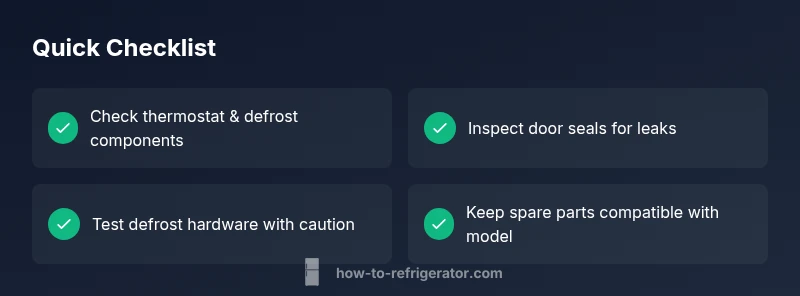
Before you disassemble any panels, run through these safe checks:
- Verify the thermostat setting is not set to “Colder” than recommended (usually around 0°F to 5°F / -18°C to -15°C for freezers).
- Inspect the door gasket for cracks or gaps; a poor seal lets cold air escape and causes the system to compensate, sometimes overshooting temperatures.
- Look for visible frost buildup in the freezer compartment and on the evaporator coils. A heavy frost layer often points to a defrost problem.
- Ensure the condenser coils aren’t blocked by dust or debris; restricted airflow forces the system to work harder, sometimes triggering abnormal cycling.
- Check for frost or ice around the defrost drain that could indicate a defrost issue or improper drainage. Clearing minor frost can help, but persistent frost needs further testing.
Diagnostic Flow: Symptom to Diagnosis (High-Level)
Start with the easiest checks and progress toward more involved tests. If the freezer feels excessively cold or there is frost, suspect a defrost or thermostat issue. If you notice warm spots in the fridge or unusual noise, broader components like the compressor or fan motor could be involved. Document symptoms: time of day, door usage, and whether frost is present, as this helps distinguish between user-caused issues and equipment faults. This methodical approach minimizes unnecessary part replacements and keeps you safe.
Step-By-Step Fixes for the Most Likely Cause
The steps below focus on the most common culprits behind over-freezing: thermostat miscalibration and defrost system faults. Start with the simplest check, then progressively test components. If you encounter resistance or unsafe conditions, stop and call a professional. Remember to unplug the unit before handling electrical components and discharge capacitors safely where applicable. After each fix, allow the freezer to return to normal operation for several hours before testing again.
Safety, Warnings, and When to Call a Pro
Electrical components and refrigerant handling require care. Never bypass safety interlocks or use metal tools to pry around coils. If you notice oil leaks, hissing sounds, or signs of refrigerant issues, stop and contact a qualified technician. Chronic frost with frequent cycling can indicate a defrost timer or heater failure, which may require replacement parts and professional testing to ensure safe operation.
Prevention Tips to Avoid Future Over-Freezing
Preventive steps save energy and extend appliance life. Regularly clean coils, check door seals, calibrate the thermostat if you notice temperature drift, and schedule periodic defrost system checks if your model relies on a timer-based cycle. Addressing drafts around the fridge and ensuring proper ventilation around the appliance also reduces the chance of frost buildup.
Steps
Estimated time: 30-60 minutes
- 1
Confirm temperature settings
Set freezer to an appropriate range (0°F / -18°C). Measure with an accurate thermometer if your unit lacks a digital readout. Document the initial reading before changing anything.
Tip: Small adjustments can produce noticeable results; change in 1-2 degree steps. - 2
Inspect door seals
Close the door on a dollar bill or piece of paper; if it slides out easily, the gasket may be worn. Clean seals and watch for gaps when the door is closed.
Tip: Clean with mild soap and warm water; avoid harsh solvents. - 3
Check for frost buildup
Inspect the freezer compartment interior for frost or ice on walls or shelves. Heavy frost often indicates defrost system issues.
Tip: If frost is very thick, defrost the freezer manually by unplugging for a few hours only if you can safely access the contents. - 4
Test defrost system components
Access the back panel to test the defrost heater and timer/defrost control. Use a multimeter to check continuity where applicable.
Tip: If you’re unsure, don’t force wires; testing with power applied can be dangerous. - 5
Calibrate or replace the thermostat
If the thermometer reading is inconsistent with the thermostat setting, recalibrate or replace the thermostat or temperature sensor as needed.
Tip: Label the old part for reference and double-check compatibility. - 6
Replace damaged parts and retest
Install the new defrost timer, heater, or thermostat and power the unit back on. Monitor temperatures for several hours to confirm stabilization.
Tip: Take photos during teardown to aid reassembly.
Diagnosis: Freezer is over-freezing and frost or ice buildup is visible
Possible Causes
- highDefrost timer malfunction
- mediumThermostat control issue
- mediumDefrost heater faulty
- lowDoor gasket leaks/cold air intrusion
Fixes
- easyTest/replace defrost timer or board
- easyCalibrate or replace thermostat
- mediumCheck defrost heater continuity and replace if needed
- easyInspect and replace door gasket if compromised
FAQ
What is the most common reason a freezer over-freezes?
The most common reasons are a miscalibrated thermostat or a defrost system fault. Defrost timer or heater failures can cause frost buildup that makes the freezer run colder than intended. Start with those components before exploring other parts.
The most common causes are thermostat or defrost system faults. Check those first.
Can a door gasket cause the freezer to frost excessively?
Yes. A damaged or loose door gasket allows cold air to escape and can force the system to overcompensate, leading to frost and overcooling. Inspect, clean, and replace if needed.
Yes, a bad door gasket can cause frost and overcooling.
Is it safe to manually defrost the freezer?
Manual defrost is safe if you follow proper steps: unplug the unit, remove contents, and allow ice to melt at a safe pace. Avoid sharp objects to scrape ice and plan for a longer re-stabilization period after defrost.
Manual defrost is safe if you unplug first and remove content.
When should I call a professional?
If you detect refrigerant issues, a burned compressor, or if electrical tests suggest a faulty control board, it’s best to call a licensed technician. Safety and proper diagnostics are crucial for these components.
Call a pro if you suspect refrigerant or compressor problems.
Can temperature settings alone fix frost issues?
Temperature settings can influence performance, but frost and over-freezing usually point to a defrost or seal problem. Adjusting the dial and monitoring results is reasonable, but expect to test other components if frost persists.
Settings help, but frost usually means a defrost or seal issue.
Watch Video
Top Takeaways
- Identify the defrost or thermostat cause early
- Don’t bypass safety steps; unplug before work
- Test in logical order from easy to hard
- Call a pro if refrigerant or electrical tests are required