Why Is My Fridge So Cold? A Homeowner's Troubleshooting Guide
Learn how to diagnose and fix a fridge running colder than normal. Step-by-step checks, safety tips, and prevention from How To Refrigerator.


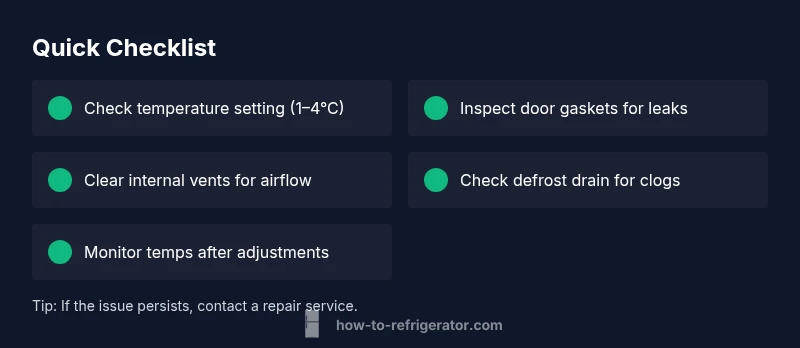
Most likely, your fridge is too cold due to a mis-set temperature or a faulty sensor. Start by setting the fridge to the recommended 1–4°C and checking the door seals and vents for blockages. If the issue persists, test the thermostat with a thermometer and inspect the defrost drain for clogs.
Temperature Basics: Why Cold Spots Matter
A refrigerator's job is to remove heat from inside the cabinet and keep perishable foods safe. When a fridge runs too cold, you can end up freezing produce, milk, and even water on the shelves. The first thing to check is the temperature setting. In most homes, the recommended fridge temperature sits around 1 to 4°C (34 to 39°F). If your dial is set lower, even a slight miscalibration can create frost pockets and ice build-up, making portions of the fridge feel dangerously cold. Environmental factors like a hot kitchen, frequent door openings, or placing warm leftovers inside can also influence internal temperatures temporarily. Another factor is airflow: if the cold air is restricted by heavy items or blocked vents, the thermostat may overcompensate and drive temperature down in the storage zones. Throughout this guide, we’ll use the phrase “why is my fridge so cold” to describe the symptom and tailor checks to which parts of the system are most likely misbehaving.
bold me
Steps
Estimated time: 30-60 minutes
- 1
Verify current temperature settings
Start by locating the temperature control and verifying it is within the recommended 1–4°C range for the fridge compartment. If it’s set colder, gradually raise it and recheck after 6–12 hours. This simple step often resolves overcooling.
Tip: Note the exact setting before changing it so you can revert if needed. - 2
Inspect doors and seals
Check door gaskets for cracks, tears, or debris that might let warm air in or cold air escape unevenly. Clean the seals gently with warm, soapy water and ensure a tight seal when the door is closed.
Tip: A loose seal can cause temperature fluctuations that feel like the fridge is too cold. - 3
Assess airflow and placement
Ensure there’s at least a few inches of clearance around coils and vents, and avoid overloading shelves where items obstruct airflow. Reorganize to create space for air to circulate.
Tip: Keep temperature sensors unobstructed for accurate readings. - 4
Check for frost and defrost issues
Look for frost buildup on the back wall or shelves. If frost appears, the defrost cycle may not be working correctly. A manual defrost or drain check can help identify the problem.
Tip: Defrost cycles help prevent frost from trapping cold air inside. - 5
Test the thermostat sensor
If available, test or measure the fridge temperature with an external thermometer and compare it to the dial setting. A large discrepancy suggests a faulty sensor.
Tip: Thermostat accuracy can drift over time. - 6
Inspect the defrost drain
A clogged defrost drain can cause frost buildup and cold spots. Clear the drain using warm water or a small flexible wire, and ensure it flows freely.
Tip: Never use force; follow manufacturer guidelines for safe defrosting. - 7
Monitor and document results
After adjustments, monitor the fridge for 24–48 hours and record temperatures in several zones. This helps you distinguish between a temporary fluctuation and a persistent issue.
Tip: Keep a thermometer in the fridge to track consistency.
Diagnosis: Fridge colder than expected (foods may freeze)
Possible Causes
- highTemperature setting too low
- mediumFaulty thermostat or sensor
- mediumBlocked air vents or poor airflow
- mediumFrost buildup from improper defrosting
Fixes
- easyCheck and adjust the temperature dial to the recommended range (1–4°C)
- easyInspect the door seals for gaps and replace if worn
- easyClear internal vents and rearrange items to restore airflow
- mediumInspect and clear the defrost drain if you notice frost or standing water
- hardTest the thermostat sensor and consider professional replacement if faulty
FAQ
Why is my fridge freezing my food even though it’s not in the freezer section?
That usually means the fridge temperature is set too low or airflow is restricted. Start by adjusting the thermostat to 1–4°C and ensure vents aren’t blocked. If problems persist, inspect seals and defrost components.
If your fridge is freezing food, first check the temperature setting and airflow. If needed, adjust the thermostat and inspect the vents and seals.
Should I unplug the fridge if I notice it’s too cold?
Unplugging is not typically necessary and can create food-safety risks. Instead, adjust the temperature, clean seals, and check airflow. If the issue remains, seek professional help.
Usually, you should adjust the temperature and check airflow rather than unplugging.
Can a faulty thermostat sensor cause overcooling?
Yes. A faulty sensor can signal the compressor to run longer than needed, making the fridge too cold. Have the sensor tested and replace if needed.
A bad thermostat sensor can cause overcooling; it may need testing and replacement.
What if the defrost drain is clogged and frost keeps forming?
A clogged defrost drain can lead to frost buildup and abnormal cold zones. Clear the drain and verify the defrost cycle is functioning.
If the defrost drain is blocked, frost can cause cold spots. Clear it and test the defrost cycle.
When should I call a professional for a fridge that's too cold?
If you’ve tried the basic checks (settings, seals, airflow, defrost) and the fridge still runs too cold, a professional should inspect the thermostat, sensors, and refrigerant system.
If simple checks don’t fix it, a pro should evaluate thermostat, sensors, or the refrigeration system.
Watch Video
Top Takeaways
- Verify the fridge is within 1–4°C.
- Check door seals and airflow first.
- Address frost or defrost-drain issues promptly.
- When in doubt, call a professional.