Why Do Refrigerators Freeze Up? Quick Troubleshooting for Homeowners
Diagnose why refrigerators freeze up and fix common causes quickly. Learn about temperature settings, defrost, and airflow with homeowner-friendly steps to prevent frost and wasted energy.


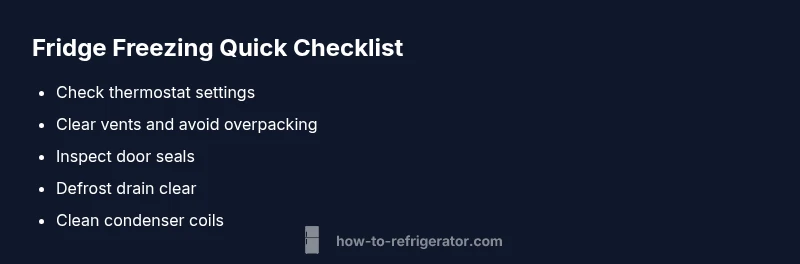
## Quick Answer Steps to diagnose: 1) Verify fridge temperature is set to 37-38°F (3-4°C) and freezer to 0°F (-18°C). 2) Check for blocked vents and door seals. 3) Inspect the defrost drain and condenser coils for frost buildup. If frost persists after these quick checks, follow the diagnostic flow for deeper fixes and safety considerations.
Why refrigerators freeze up: what's going on and why it matters
If your fridge is freezing items or building frost, you’re not imagining it. The question "why do refrigerators freeze up" often boils down to three interacting systems: temperature control, airflow, and the defrost cycle. When any of these parts misbehave, cold air can push into the wrong zones or condense into frost on evaporator coils. According to How To Refrigerator, most freezing symptoms come from airflow restrictions, a mis-set thermostat, or a malfunctioning defrost system. By understanding these levers, homeowners can diagnose safely and act quickly to prevent spoiled food and energy waste. This guide outlines practical checks you can perform in minutes and when to call a professional.
We’ll walk through simple tests you can do without tools, explain how these systems work together, and tell you exactly what to do if frost continues to form after a few minutes of checking. Keeping your refrigerator set correctly and free of obstructions is the best first line of defense. The How To Refrigerator team has found that small changes—like clearing a vent or correcting a thermostat—often stop the freeze-up cycle before it becomes a bigger problem.
Common culprits behind freezing issues
Several common culprits cause a fridge to freeze up or frost over, and most are surprisingly simple to fix. First, the thermostat may be set too low; even a one- or two-degree adjustment can keep foods from freezing yet preserve safe chilling. Second, restricted airflow—caused by overpacking shelves, blocking vents, or placing hot items near air outlets—forces cold air into nearby zones and leads to frost or ice pockets. Third, the defrost system can fail, leaving frost to build on the evaporator coils and spill into compartments. Fourth, door seals that don’t seal completely allow cold air to leak in, making the compressor run longer and frost form more easily. Fifth, dirty condenser coils reduce efficiency and can contribute to temperature imbalances. Finally, a misaligned door or improper gasket installation can channel cold air into the wrong area. Addressing these issues often resolves most freezing symptoms quickly.
Quick checks you can do before calling a pro
- Inspect the door seals: Close the door on a dollar bill or a piece of paper; if you can pull it out easily, the seal may be worn and needs replacement.
- Confirm airflow: Remove bulky items from the middle of shelves and ensure vents aren’t blocked. Hot foods should cool before refrigeration when possible.
- Verify temperature settings: Refrigerator should be around 37-38°F (3-4°C); freezer around 0°F (-18°C).
- Assess frost levels: A frost-heavy evaporator indicates a defrost issue or blocked drain; note where frost is accumulating.
- Check condenser coils: If accessible, gently clean coils and look for obvious dirt buildup. Dirty coils reduce cooling efficiency and can misbalance temps.
- Listen for odd noises: Constant running or buzzing may point to a faulty compressor or fan motor, which could require professional service.
Diagnosing the issue: airflow, defrost, and seals
Frost and freezing can be caused by several interrelated factors. Airflow problems typically show up as frost near vents or in the back of the fridge where cold air pools. If the defrost cycle isn’t removing frost, you’ll see frost along the evaporator and occasionally water pooling in the drain pan. Damaged door gaskets cause air leaks that skew temperatures and force the system to work harder, which may manifest as frost in the wrong sections. Start by checking for blocked vents, drain blockages, and seal integrity. If frost remains after a simple defrost test, the defrost timer or heater could be faulty and may require a technician to replace.
Step-by-step fixes for the most common causes
The most common fix is often straightforward: adjust the thermostat to the correct range, clear airflow, and address defrost or gasket issues. Start by turning up the fridge temperature setting slightly and rechecking after 24 hours. If shelves are overcrowded, rearrange to allow airflow. Next, inspect and clear the defrost drain; flush with warm water and remove any ice blockages. Inspect door gaskets for tears or warping and replace if needed. Finally, clean condenser coils and ensure the unit has adequate clearance for proper airflow. If frost persists after these steps, the issue is more likely a faulty defrost timer or membrane and should be handled by a professional.
Safety tips, warnings, and common mistakes
- Always unplug the appliance before opening panels or touching electrical components.
- Do not use sharp tools to chip away frost; you can damage coils.
- Avoid placing hot foods directly into the fridge; let them cool to room temperature.
- Keep a towel handy for defrosting to manage water runoff and avoid floor damage.
- If the appliance is older than 10-15 years or refrigerant leaks are suspected, consult a professional for cost-effective decisions.
Prevention tips to keep your fridge from freezing up
- Maintain consistent temperatures: Keep your fridge around 37-38°F and freezer near 0°F.
- Keep doors sealed: Check door gaskets regularly and replace worn seals to prevent cold air intrusion.
- Allow airflow: Do not overfill shelves; ensure vents stay clear and food is evenly distributed.
- Clean coils yearly: Dust and debris on condenser coils reduce efficiency and can impact temperatures.
- Schedule regular servicing: A professional check every few years can catch defrost or sensor issues early.
When to replace vs repair and next steps
If your fridge is freezing despite all adjustments and ongoing frost returns, it may indicate a failing defrost system or outdated components. Consider the cost of repair versus replacement, especially for older units with multiple symptoms. For ongoing issues, rely on a professional assessment to determine whether a part replacement suffices or a full replacement is more economical.
Final check and next steps
After completing these steps, monitor the fridge for 24-48 hours. If temperatures stabilize and frost does not return, you’ve likely addressed the root cause. If frost reappears, log details such as the frost pattern, door usage, and any noises, and consult a repair technician for a deeper diagnosis. Remember, consistent maintenance is the best prevention against future freezing problems.
Steps
Estimated time: Total time: 60-90 minutes
- 1
Power down and prep safely
Unplug the refrigerator, move items away from the coils, and remove any drawers or shelves that hinder access. This reduces the risk of electric shock and gives you room to work safely.
Tip: Have a tray or towels ready to catch any water during defrosting. - 2
Check and set the temperature correctly
Use a reliable thermometer to verify fridge and freezer temps. Adjust the fridge to 37-38°F (3-4°C) and the freezer to 0°F (-18°C). Monitor for 24 hours to confirm stability.
Tip: Small adjustments can have a big impact; avoid drastic changes. - 3
Inspect door seals and alignment
Close the door on a dollar bill and slide it out. If the bill slides out easily, replace the gasket. Ensure the door closes fully and aligns with the frame.
Tip: Replace worn hinges or misaligned doors quickly to prevent leaks. - 4
Clear vents and rearrange food
Ensure air vents inside the fridge aren’t blocked by tall containers. Rearrange shelves to promote even airflow and reduce frost hotspots.
Tip: Avoid overpacking; create space around items near vents. - 5
Inspect and clear the defrost drain
Locate the defrost drain, usually at the back or bottom of the fridge. Flush with warm water; remove any ice blockages with a flexible pipe cleaner or thin wire.
Tip: Always unplug before handling defrost components. - 6
Clean condenser coils and test
Unplug the unit and gently clean the coils with a brush or vacuum. Reconnect and monitor performance; ensure there’s at least a few inches of clearance around the back.
Tip: Dirty coils dramatically reduce efficiency and cooling accuracy.
Diagnosis: Fridge or fridge compartment freezing foods or excessive frost
Possible Causes
- highThermostat set too low
- highDefrost system failure (defrost timer or heater)
- mediumBlocked airflow due to overpacking or vents obstructed
- mediumDoor gasket leaks or misalignment
- lowDirty condenser coils
Fixes
- easyRaise the temperature setting to manufacturer-recommended range and re-check after 24 hours
- mediumInspect and clear defrost drain and evaporator frost; test defrost cycle
- easyRearrange items to restore airflow and clean vents
- easyInspect door gaskets for cracks or wear and replace if needed
- easyVacuum and brush condenser coils; ensure proper clearance around the unit
FAQ
What causes frost buildup in the fridge?
Frost forms when humidity condenses and freezes on evaporator coils, often due to door openings, compromised seals, or a faulty defrost system. Monitoring humidity and consistent door use helps prevent it.
Frost forms when humidity freezes on the coils. Check seals and keep doors closed to prevent it.
Why is my fridge freezing food in the fridge compartment?
Likely airflow is restricted or the thermostat is set too cold. Adjust the temperature and ensure vents aren’t blocked to restore proper cooling.
It’s usually airflow or temperature; adjust and clear vents for proper cooling.
Can a faulty door seal cause freezing?
Yes. A damaged seal can let cold air leak into the fridge, causing frost and uneven temperatures. Replace worn gaskets promptly.
Yes, bad seals cause cold air leaks and frost. Replace worn gaskets.
Should I manually defrost a frost-laden fridge?
If frost is heavy, unplug and let it thaw naturally, collecting water with towels. Don’t use sharp tools to remove ice.
If frost is heavy, unplug and let it thaw safely; don't chip away with tools.
Is freezing a sign of a failing compressor?
Not usually. Freezing is more often related to thermostat, defrost, or airflow issues. Have a pro check if the compressor seems unusually loud or hot.
Usually not the compressor; those issues point to other parts. If it’s loud or hot, call a pro.
How often should I service my fridge to prevent freezing?
Regular cleaning and inspections help prevent issues. Consider a professional check every few years, especially for older models.
Regular cleaning helps. A professional check every few years is wise for older units.
Watch Video
Top Takeaways
- Check thermostat first; small adjustments matter.
- Ensure vents are clear to restore proper airflow.
- Fix or replace worn door seals to stop cold air leaks.
- Defrost drain must be clear to prevent frost buildup.
- Regular coil cleaning improves efficiency and temperature accuracy.