What to Do When Your Refrigerator Runs Constantly: Troubleshooting Guide
Fridge running nonstop? This urgent guide helps homeowners diagnose common causes, perform safe quick fixes, and decide when to call a professional.


Most likely a simple issue is causing the fridge to run constantly: door gaskets sealing poorly, dirty condenser coils, or an out-of-range thermostat. Quick steps: inspect and clean door seals, clean coils (with a brush or vacuum), confirm the thermostat is set correctly (usually 35–38°F/1–3°C in fridge), and ensure proper airflow around the appliance. If it persists, unplug and call a professional.
Why your refrigerator runs constantly
If you’ve searched for what to do when refrigerator runs constantly, you’re not alone. A fridge that never seems to shut off wastes energy, causes frost, and can shorten the appliance’s life. According to How To Refrigerator, most urgent calls come from simple, correctable issues rather than major component failures. Start with the low-hanging fruit: look for easy fixes you can safely perform, then decide if you need professional service. In many homes, addressing a few common culprits will restore normal cycling and reduce energy bills. Keep in mind, while a constantly running fridge is inconvenient, it’s also a signal that something in the cooling cycle is out of balance. By following a structured approach, you can identify the root cause without guessing. This article aims to answer the question of what to do when refrigerator runs constantly with practical steps homeowners can take in a safe, controlled way.
Check the door seals and gasket integrity
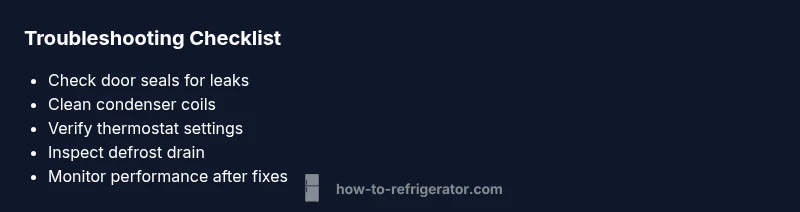
A common reason fridges run nonstop is a door seal that leaks air. If warm room air enters, the compressor works harder and longer. Check for gaps by closing the door on a dollar bill or a piece of paper; if you can pull it out easily, the gasket may be worn or dirty. Inspect the entire seal for cracks and replace damaged gaskets if needed. Clean the gasket with warm, soapy water to remove residue that prevents a tight seal. After correcting the seal, monitor whether the unit cycles normally for 24–48 hours. This simple check addresses the core question, what to do when refrigerator runs constantly, by eliminating leaks at the door as the primary cause.
Clean condenser coils and ensure proper airflow
Dusty condenser coils force the compressor to work harder, increasing run time. Locate the coils (usually at the back or beneath the fridge) and vacuum or brush away dust and debris. If coils are clogged behind a grille, use a soft brush attachment to avoid bending fins. Ensure there is ample space around the appliance for air to circulate; at least a few inches of clearance on all sides helps maintain efficient cooling. After cleaning, listen for a quieter cycling pattern over the next day. Clean coils are a frequent fix for the constant-running symptom and a key safeguard for energy efficiency.
Verify thermostat setting and temperature range
An out-of-range thermostat can keep the compressor running as the fridge struggles to reach a target temperature. Confirm the internal temperature is set within the recommended range for most households: about 35–38°F (1–3°C) in the fresh food compartment and 0°F (-18°C) in the freezer. If the thermostat seems stubborn or you notice frost buildup on the evaporator, the control may be faulty or the thermostat probe could be misaligned. Make small adjustments and give the unit 24 hours to stabilize. If the running pattern returns to normal, you’ve identified the root cause without professional intervention.
Defrost system and frost buildup issues
Frost can insulate cooling coils and force the compressor to run longer to compensate. Excess frost often points to a malfunctioning defrost heater, timer, or defrost drain. If you see visible frost in the freezer that builds up quickly, or if you hear unusual gurgling or popping sounds, inspect the defrost drain for clogs and clear them with warm water. Avoid using chemical uncloggers, which can damage plastic components. Proper defrost function helps the unit cycle normally and reduces unnecessary run time.
Safety-first diagnostics you can perform
Always unplug before accessing electrical components and never touch live wires. Check for obvious issues: loose power cord connections, damaged power cords, or tripped outlets. Listen for abnormal noises that might indicate a failing compressor or start relay, but avoid poking around electrical components beyond your comfort level. If you’re unsure, treat the situation as requiring professional service. The goal is to safely identify safe, simple fixes and prevent hazardous shocks or refrigerant exposure. Early action reduces the risk of further damage and is in line with How To Refrigerator’s guidance for DIY troubleshooting.
How to monitor and decide on professional help
After attempting the basic checks—door seals, coils, thermostat, and defrost drain—observe the fridge for 24–48 hours. If the unit continues to run constantly, or if you notice persistent frost, leaking, or temperature instability, it’s time to call a repair professional. A licensed technician can test the compressor, start relay, defrost components, and refrigerant system. Knowing when to escalate to professional help is essential to avoid costly mistakes and ensure safe, effective repair.
Prevention tips to avoid future issues
Regular maintenance prevents constant running. Clean the condenser coils every 6–12 months, test door seals periodically, and keep the fridge level. Clear clutter around the vents inside the fridge to maintain airflow, and avoid placing warm foods directly into the unit. Also, consider upgrading to a modern, energy-efficient model if your current fridge is older. Small, proactive steps save energy, reduce wear on components, and minimize the chance of recurring problems.
When to call a professional and what to expect
If basic checks don’t resolve the issue, don’t delay professional help. A certified appliance technician can diagnose cooling-system faults, leaks, or refrigerant charge problems using appropriate tools. Expect a clear estimate, a description of the repair plan, and a discussion about potential part replacements. Early, cautious intervention often prevents more expensive problems later and aligns with best practices for safe appliance repair.
Steps
Estimated time: 45-60 minutes
- 1
Power down safely
Unplug the fridge to inspect seals and coils. If you must test the door seal, leave it unplugged during inspection to avoid shock.
Tip: Always unplug before touching exposed components. - 2
Check door seals
Close the door on a dollar bill or card to test seal tightness; replace worn gaskets as needed.
Tip: Clean the gasket with mild soap before resealing. - 3
Clean condenser coils
Vacuum or brush coils free of dust; ensure airflow around the back or bottom of the unit is unobstructed.
Tip: Use a coil brush to reach tight spaces. - 4
Verify thermostat settings
Set the fridge to about 35–38°F (1–3°C) and the freezer to 0°F (-18°C). Wait 24 hours to recheck.
Tip: Avoid drastic temperature changes; small adjustments preferred. - 5
Inspect defrost system and drain
Look for frost buildup and clear the defrost drain if blocked. Do not use harsh chemicals.
Tip: Defrost drainage should be free-flowing. - 6
Test operation after fixes
Plug the fridge back in and monitor for 24–48 hours for normal cycling.
Tip: Keep a temperature log during the test period.
Diagnosis: Machine runs constantly
Possible Causes
- highDoor gasket leaks or misalignment
- highDusty condenser coils causing poor heat rejection
- mediumThermostat missetting or faulty control
Fixes
- easyInspect and replace damaged door seals; ensure a tight seal with a test using a dollar bill or paper
- easyVacuum/brush condenser coils and ensure adequate airflow around the unit
- easyVerify/adjust thermostat to recommended range and check for proper temperature readings
FAQ
Why is my refrigerator running constantly even when the door is closed?
Common causes are a worn door gasket, dirty condenser coils, or an incorrect thermostat setting. Address these first and monitor for improvement over 24–48 hours.
Common causes are a worn door seal, dirty coils, or a thermostat setting. Start with those fixes and observe the fridge for a day or two.
How can I check the door seals for leaks?
Close the door on a dollar bill and pull it out; if it slides out easily, the seal may be compromised. Inspect for cracks and replace if needed.
Test the seal with a dollar bill; if it slides out easily, inspect or replace the gasket.
Can a faulty thermostat cause continuous running?
Yes. A faulty thermostat may fail to reach the target temperature, causing the compressor to run continuously. Check the setting and consider replacement if readings are inconsistent.
A bad thermostat can make the fridge run nonstop. Check the setting and watch for inconsistent readings.
When should I call a professional?
If basic checks don’t resolve the issue, or you notice frost, leaks, or refrigerant smells, contact a licensed technician for a full diagnostic and safe repair.
Call a professional if simple fixes don’t work or you notice frost or leaks.
Is there a way to prevent this from happening again?
Regular cleaning, proper door seals, level placement, and avoiding frequent door openings help prevent constant running and extend fridge life.
Keep it clean, seal doors well, and minimize door openings to prevent this from happening again.
Watch Video
Top Takeaways
- Identify door seal leaks before testing other causes
- Clean condenser coils to restore proper cooling
- Set thermostat to recommended range and monitor performance
- Defrost issues require safe, careful inspection
- Know when to call a pro for refrigerant or compressor problems