Should Your Refrigerator Run All the Time? A Homeowners Troubleshooting Guide
Discover why a fridge may run nonstop, how to diagnose common causes, safe DIY fixes, and when to call a professional for reliable cooling and energy efficiency.


A refrigerator should not run constantly in normal conditions. Modern models cycle the compressor and fans on and off to maintain the set temperature. If yours runs continuously, it can signal door leaks, temperature misadjustments, dirty coils, or failing components. This guide helps homeowners identify and address the most common causes safely.
Should Refrigerator Run All the Time? Understanding Normal Cooling Cycles
According to How To Refrigerator, a modern fridge should cycle on and off to maintain the correct temperature. A continuous run can be caused by door leaks, thermostat misadjustments, dirty condenser coils, or a failing component. In this guide we explain why cycling is normal, how it works, and how to spot when constant running signals a problem. By learning the basics of cooling cycles, homeowners can troubleshoot safely and avoid unnecessary replacements. Proper cycling helps preserve food safety and energy use, and it sets the stage for effective deeper diagnostics. If you notice unusual heat around the back of the unit or frost buildup, that’s a sign to investigate further rather than simply assuming a motor must be replaced. The How To Refrigerator Team emphasizes patient, methodical checks rather than guesswork, saving time and money over the long run.
What Causes a Refrigerator to Run Continuously
There are several common culprits when a fridge won’t stop running. A door that doesn’t seal tightly lets warm room air continuously enter, forcing the compressor to work harder. A misconfigured thermostat or a faulty temperature sensor can also keep the system in a high-efficiency “on” state. Dirty condenser coils reduce heat transfer, prompting longer cycling to reach the right temperature. Frost or ice buildup from a blocked defrost drain or failed defrost cycle can trap cold air, making the compressor run longer as it compensates. Overloading the shelves or placing hot items inside can raise interior temperatures temporarily and trigger longer cycles. In many cases, simple maintenance and proper loading reduce the problem significantly.
How Modern Refrigerators Control Temperature Efficiently
Contemporary refrigerators use a combination of sensors, variable-speed compressors, and smart defrost controls to regulate temperature efficiently. The thermostat compares the sensed temperature to the target, then signals the compressor to adjust speed or turn off when the goal is reached. Some models employ inverter technology that modulates cooling to minimize wattage while keeping food safe. Energy-saving features, such as door-ajar alerts and optimized fan speeds, help reduce unnecessary run time. Understanding these components explains why your fridge should not run non-stop but can still respond quickly to changes in ambient temperature or door usage. If you’re upgrading, look for units with efficient compressors and well-sealed doors for better long-term performance.
Common Symptoms That Signal a Fault
If a fridge is running constantly, watch for accompanying signs like frost on the evaporator coil, condensation on gaskets, warm interior temperatures, unusual noises, or ice maker malfunctions. Frosty walls or a persistent musty smell can indicate excess moisture or mold growth due to improper cycling. A light inside that stays on when the door is closed could hint at a faulty door switch. Addressing these symptoms early prevents minor issues from becoming costly failures. A systematic approach to symptoms helps isolate whether the problem is temperature control, airflow, or sealing.
Diagnostic Checklist You Can Do at Home
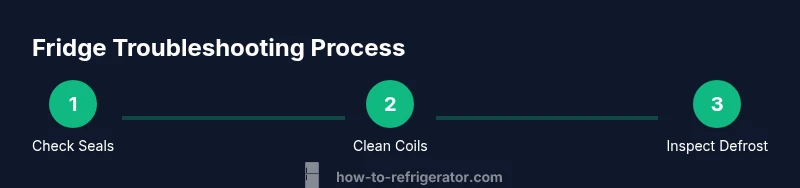
To methodically diagnose, start with a quick visual inspection: ensure doors seal well, check for frost buildup, and verify that heat is not escaping around the gasket. Inspect condenser coils (usually on the back or bottom) for dust and debris and clean with a brush or vacuum. Ensure the interior temperature setting is appropriate and do not overload shelves with warm items. Listen for abnormal noises that might indicate a failing motor or compressor. If the door seals are intact, coils clean, and temperature still seems off, move to thermostat testing and defrost system checks. These steps don’t require specialized tools and can be done safely with the unit unplugged.
Temperature Settings and Defrost Cycles (No Exact Numbers Here)
Keep the refrigerator in a safe operating range that maintains cool air without overworking the compressor. If you notice frequent defrost cycles or heavy frost, the defrost system or drain may be blocked. Many models automatically manage defrost, but a blockage forces the system to run longer than necessary. Use a thermometer designed for high humidity to confirm interior conditions without relying on guesswork. Adjusting settings up or down should be done gradually to observe how the system responds. Remember, small changes can have big effects on efficiency and longevity.
Inspecting and Cleaning Condenser Coils and Vents
Condenser coils transfer heat from the interior to the surrounding air. When they’re covered in dust or pet hair, heat dissipation suffers, and the compressor runs longer. Unplug the unit, locate the coils (back or bottom), and clean them with a soft brush and gentle vacuum. Do not use water directly on electrical components. After cleaning, allow the unit to re-balance for a few hours and monitor how the cycle behavior changes. Regular coil maintenance reduces wear on the compressor and improves energy efficiency.
Door Seals and Gasket Inspection
A compromised door seal allows warm room air to enter, which makes the compressor stay active longer. Inspect gaskets for cracks, tears, and stiffness. Run your finger along the seal to feel for gaps, and perform a simple water-drop test to check for leaks. If you find damage, replace the gasket or the door seal assembly. A tight seal is one of the fastest and most cost-effective ways to reduce running time and energy use.
Defrost System and Drain Issues
A blocked defrost drain or a failed defrost cycle can cause frost buildup that impedes airflow. If you notice frost near the evaporator or excessive moisture inside the fridge, check the defrost drain for clogs and ensure the defrost heater is functioning. A technician can test electrical components in the defrost circuit and replace failed parts if needed. Clearing a simple drain blockage can restore normal cycling and prevent unnecessary compressor wear.
Testing the Thermostat and Start Relay (Non-Technical Overview)
The thermostat sets the target temperature; a faulty unit can cause the compressor to stay on or off inappropriately. A basic visual test involves resisting the old sensor and comparing its readings to a known-good thermometer. In some cases, a starter relay or overload protector may fail, causing the compressor to behave erratically. If you’re comfortable using a multimeter, you can conduct a simple resistance check or consult a professional for a thorough diagnosis. Safety first: unplug before handling electrical components.
Safe, At-Home Fixes You Can Try Now
Start with the easiest fixes: clean coils, replace worn door seals, and rearrange items to improve airflow. A door left ajar or frequently opened can keep the unit running; ensure doors close fully and consider door alarm features if available. Do not attempt major electrical work unless you are trained. For most households, these safe steps resolve the majority of ongoing running issues and extend the appliance’s life.
When to Call a Professional and What to Expect
If you’ve completed the basic checks and the fridge still runs constantly, it’s time to consult a repair technician. A professional can test refrigerant levels, inspect the compressor, verify thermistor readings, and diagnose electrical components with specialized tools. Request a written estimate that includes parts, labor, and potential warranty terms. How To Refrigerator Team recommends choosing an authorized service provider and asking about diagnostic fees up front to avoid surprises.
Tools & Materials
- Phillips and flat-head screwdriver(Essential for removing panels and accessing components)
- Multimeter(For basic resistance checks on thermostat and start components)
- Vacuum with brush attachment(To clean condenser coils and vents)
- Soft brush and microfiber cloth(For gentle cleaning surfaces and gaskets)
- Gloves and safety glasses(Personal protection during inspections)
- Thermometer (fridge-safe)(Use to verify interior temperatures)
- Bucket or towels(Catch any water during defrost drain checks)
- Flashlight(Better visibility behind coils and gaskets)
Steps
Estimated time: 60-120 minutes
- 1
Power Down and Safety Check
Unplug the refrigerator and confirm it’s fully de-energized before touching any internal components. This prevents shock and allows clean inspection. If you must move the unit, slide it away carefully and unplug the power cord.
Tip: Keep a photo of cable routing to reassemble correctly. - 2
Inspect Door Seals
Visually inspect gaskets for cracks, stiffness, or gaps. If air can be felt around the edge when you press the door, the seal may be compromised. Replace or reseal to stop warm air from entering.
Tip: Perform the water test by placing a stray dollar bill in the door; if it pulls out easily, the seal leaks. - 3
Check and Clean Condenser Coils
Locate coils (back or bottom). Use a vacuum and soft brush to remove dust and dirt. Cleanliness improves heat transfer and reduces running time.
Tip: Do not use water directly on electrical components. - 4
Verify Interior Temperature and Airflow
Ensure the interior is not overloaded and that air can circulate freely from the vents. Rearrange items so cool air can move from the freezer to the fridge as intended.
Tip: Avoid stuffing foods tightly around the vents. - 5
Inspect the Defrost System for Frost Buildup
Look for frost on the evaporator or a blocked defrost drain. Frost can reduce airflow and cause the compressor to run longer.
Tip: If you see frost, avoid chipping it aggressively; defrosting safely is best. - 6
Test the Thermostat and Sensor
With the unit plugged in, verify the thermostat responds to temperature changes by listening for control clicks and checking sensor readings with a multimeter if you’re comfortable.
Tip: A non-contact thermometer helps gauge interior temperature quickly. - 7
Check Start Relay and Capacitor
A faulty start component can cause abnormal compressor behavior. If you’re not trained in electrical work, skip replacement and call a pro.
Tip: Replacement parts can vary by model; have your model number handy. - 8
Look for Air Leaks Around the Gasket
Check for gaps around the door when closed; a small gap can cause significant heat exchange and longer run times.
Tip: Lightly apply soapy water to detect air leaks—bubbles indicate an issue. - 9
Monitor for Frost-Free Operation
If frost reappears after a defrost cycle, the defrost timer or heater may be failing and warrant professional service.
Tip: Document symptoms with dates to share with a technician. - 10
Observe Compressor Cycling Over Time
Note if the compressor starts and stops frequently in a short period; erratic cycling can indicate control or sensor problems.
Tip: A stable cycle is normal; erratic cycling is a red flag.
FAQ
Is it bad if my fridge runs all the time?
Running all the time isn’t ideal. It can shorten the life of the compressor and waste energy. Use the diagnostic steps in this guide to identify common causes and fix them safely.
Running all the time isn’t normal. Follow these checks to identify the issue or contact a professional.
Can a broken thermostat cause continuous running?
Yes. A faulty thermostat or sensor can keep the compressor energized. Verify readings with a meter if you’re comfortable, or arrange a pro inspection.
Yes, a bad thermostat can cause the fridge to run non-stop.
Will dirty condenser coils cause longer run times?
Dirty coils impede heat transfer, causing the compressor to run longer to reach the target temperature. Cleaning coils is a quick, effective fix.
Dirty coils make it harder for the fridge to cool, so the compressor runs longer.
How do I tell if a door seal is the problem?
If the door doesn’t seal well, warm air enters. Check for gaps, stiffness, or tears and replace the gasket if needed.
A bad door seal lets in warm air and keeps the fridge running.
Should I defrost manually if I see frost buildup?
Frost buildup can signal defrost issues. Follow safe defrost procedures and consult a pro if frost recurs.
Frost may mean the defrost system isn’t working properly.
When should I call a professional for fridge issues?
If basic checks don’t solve the issue or you hear unusual noises, call a repair technician for a detailed diagnostic.
If simple fixes don’t help, it’s time to get a professional diagnosis.
Watch Video
Top Takeaways
- Identify whether continuous running is normal for your model
- Check doors, coils, and defrost system as first-line fixes
- Safety first: unplug before inspecting electrical parts
- Regular maintenance reduces run time and energy use
- Call a professional for complex electrical or refrigerant issues