What to Do With an Old Refrigerator: A Practical Guide
Learn how to handle an old refrigerator, decide between repair or replace, and follow a clear, step-by-step approach to maintain, recycle, or choose a modern, energy-efficient model.


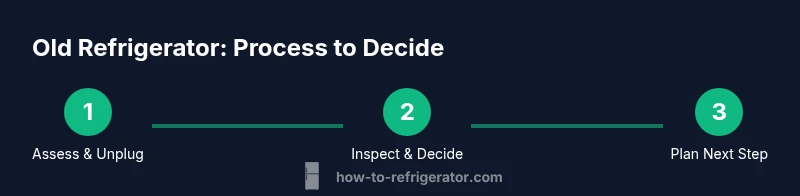
By evaluating your old refrigerator, you’ll decide whether to repair, replace, or recycle. This quick guide summarizes the core actions: unplug safely, inspect seals and coils, check temperatures, listen for unusual noises, and weigh the repair cost against energy use and replacement price before choosing a path. Include safety checks and capture simple measurements to guide the decision.
Evaluate the situation: repair vs replace
If you’re wondering what to do old refrigerator, the decision hinges on three factors: age, current performance, and expected repair costs. Start by assessing whether the unit still cools consistently, keeps foods safe, and has no major leaks or noises. Compare the price of common fixes—like new door seals, defrost timers, or a condenser coil cleaning—with the cost of a replacement. Newer models offer better energy efficiency and updated safety features, which can offset higher upfront costs over time. Also consider the environmental impact: repairing a high-energy older fridge typically saves more resources than buying a new one if the existing unit is in solid mechanical condition. In some cases, replacing may be sensible if the compressor is failing or refrigerant leaks are present and repair options are limited. Document any symptoms with dates, photos, and notes; this helps you decide whether to pursue a DIY repair, hire a technician, or retire the appliance responsibly. According to How To Refrigerator, this initial assessment sets the course for the whole project.
Safety and prep before touching the fridge
Before you touch any appliance, unplug it at the wall, and move items away from the area. Wear protective gloves to guard against sharp edges and hot surfaces. Clear the space so a technician or you can access the back, condenser coil area, and wiring safely. Keep a bucket and towels handy for any residual moisture, and take photos of labels or model numbers for parts lookup. Remove perishables to prevent spoilage and avoid leaning or twisting the unit, which can damage the floor. This prep reduces the risk of electrical shock and makes any follow-up work easier and cleaner.
Diagnosing cooling issues without special tools
Not every cooling issue requires expensive diagnostic gear. Start with basic checks: confirm the door seals are intact and the door closes fully, verify interior temperature settings, and ensure the defrost drain isn’t clogged. Listen for the compressor hum and fan operation when the door is closed. A noisy unit or warm interior often points to airflow problems, condenser coil buildup, or thermostat faults. If the coils are dusty or blocked, cleaning them can restore airflow and cooling efficiency. Document timing of temperature variations and any frost buildup, as this helps identify if a defrost cycle is failing or if there’s a refrigerant concern.
Common repairs homeowners can handle
Many minor issues are approachable for DIY fixes. Replace worn door gaskets to restore seal integrity, clean condenser coils with a brush or vacuum to improve heat dissipation, and reseat or adjust door hinges. If the thermostat feels inaccurate, you may recalibrate or replace it with a compatible model. Simple fixes like defrost drain clearing or capping a leaking water line can resolve symptoms without major disassembly. For any repair, work slowly, unplug the unit, and test temperatures after reassembly. Keep parts organized and labeled to facilitate future maintenance.
When to call a professional
If the fridge shows signs of a failing compressor, refrigerant leak, or electrical fault beyond basic components, a licensed appliance technician is the safest option. Refrigerants require special handling and certification in many regions. A pro can perform leak detection, safe recovery, and precise charging, which protects you and the environment. If you’re under a warranty or lease, consult the manufacturer or retailer before attempting repairs. A professional assessment can save time and prevent costly mistakes if the appliance is beyond economical repair.
Replacing components: coils, gaskets, fans
Replacement of failing parts can extend the life of an older refrigerator when the main compressor remains healthy. Common upgrades include new door gaskets to restore efficiency, a cleaned or replaced condenser coil, and a faulty fan or defrost timer replacement. Always verify compatibility with your model using the serial and part numbers from the label. After installation, recheck door alignment and air flow, then allow the unit to stabilize to the target temperature before loading with groceries.
Energy considerations and efficiency upgrades
Newer refrigerators consume far less energy and may deliver a tangible long-term savings even if upfront costs are higher. When evaluating energy efficiency, look for ENERGY STAR labels and compare annual energy usage estimates. If repair costs approach or exceed a reasonable portion of a replacement’s price, upgrading to a modern model may reduce electricity bills and heat output in the kitchen. If you keep the old fridge, optimize placement for ventilation and minimize door openings to reduce energy waste.
Recycling, disposal, and safe retirement
If you decide to retire the old refrigerator, arrange proper disposal through your city’s recycling program or a licensed appliance recycler. Remove doors to prevent accidental entrapment, and transport the unit to the designated facility. Some programs offer pickup for large appliances; check local guidelines and potential fees. Repurposing elements like shelves or storing non-perishables can be a temporary reuse, but avoid repurposing components that can pose hazards to children or pets.
Documentation and planning for your next purchase
Keep a record of any repairs, parts replaced, and performance observations to guide future maintenance or replacement decisions. When shopping for a new model, compare energy ratings, capacity, and warranty terms. Consider the kitchen layout and electrical supply to ensure compatibility with a new unit. Preparing a short spec list in advance helps you balance cost, efficiency, and reliability, so you can buy with confidence.
Tools & Materials
- Insulated gloves(Protect hands from sharp edges and hot surfaces.)
- Screwdriver set (Phillips and flathead)(For panel screws and door hardware.)
- Non-contact voltage tester(Useful for safety checks, optional.)
- Multimeter(To test electrical continuity in controls (optional).)
- Digital thermometer(To verify interior temperatures.)
- Soft cloths and towels(For wiping and cleaning.)
- Bucket and towels(For catching water during defrost or drain cleaning.)
- Vacuum nozzle or coil brush(Use to clean condenser coils.)
- Replacement door gasket(If inspecting seals, have a compatible gasket on hand.)
- Owner's manual or model lookup(For specs and parts compatibility.)
Steps
Estimated time: 60-90 minutes
- 1
Unplug and secure area
Ensure safety by unplugging the fridge at the wall and scooting it away from walls to access the back panels. Remove all contents and place on a clean surface. Take photos of model labels for reference and tag any components you plan to inspect.
Tip: Never touch exposed wiring; if you’re unsure, stop and call a pro. - 2
Inspect seals and door alignment
Check door seals for cracks or gaps and verify the door closes firmly with a simple dollar-bill test. Tighten hinges if needed and replace weathered gaskets to restore efficiency.
Tip: A good seal can dramatically improve cooling and reduce energy use. - 3
Check coils and airflow
Dust and debris on condenser coils reduce heat transfer. Use a coil brush or vacuum to clean the coils and ensure clear airflow around the back of the unit.
Tip: Do not bend fins; clean gently to avoid damage. - 4
Test temperatures and defrost
Verify interior temperatures with a thermometer—ideally around 37–40°F (3–4°C) for the fridge and 0°F (-18°C) for the freezer. If frost builds up, inspect the defrost timer/heater and drain for clogs.
Tip: Defrosting may be needed if frost builds up quickly. - 5
Decide repair vs replacement
If multiple failures persist after basic fixes, weigh repair costs against the price of a new, energy-efficient model. Consider reliability and energy savings over time.
Tip: Document costs and performance changes to guide your choice. - 6
Plan disposal or upgrade
If replacing, select an energy-efficient model with a suitable size for your space. Schedule recycling and remove doors to prevent accidents.
Tip: Check local disposal guidelines and recycling options.
FAQ
Is it worth repairing a fridge that's more than 10 years old?
It depends on the repair cost, the fridge’s cooling performance, and energy use. Compare expected energy savings with replacement and consider reliability over time.
It depends on age, cost, and reliability. If repairs keep the unit efficient, repair; otherwise replacement may be better.
What are the most common DIY fixes for cooling issues?
Door seals, coils, thermostat, and defrost drain are common culprits. Start with cleaning, sealing, and reseating components before more involved work.
Common fixes include seals, coils, thermostat, and defrost drain; start with cleaning and inspection.
Can I recycle an old refrigerator?
Yes. Many municipalities offer appliance recycling programs. Remove doors to prevent entrapment and ensure safe transport to a designated facility.
Yes—use your city’s recycling program and remove the doors for safety.
How can I compare energy efficiency when replacing?
Look for ENERGY STAR labels and compare annual energy use estimates. Consider size, insulation, and features that affect consumption.
Energy Star labels show efficiency; compare yearly energy use and feature impact.
How long does a DIY repair typically take?
Time varies by issue. Simple fixes may take under an hour; more complex repairs could require several hours or more with parts and testing.
Simple fixes are quick; complex repairs take longer with parts and testing.
Do I need a professional for refrigerant issues?
Yes. Refrigerant handling requires licensed technicians and proper safety procedures to prevent harm and environmental damage.
Refrigerant work should be done by a licensed pro.
Watch Video
Top Takeaways
- Assess repair vs replacement based on age and energy use.
- Unplug and prep safely before any inspection.
- Check seals, coils, and thermostat for common failures.
- Decide on repair, replacement, or recycling based on reliability and cost.