How to Repair Refrigerator: A Homeowner's Guide
Learn safe, step-by-step methods to diagnose and repair common refrigerator issues, from not cooling to noisy operation. Includes tools, step-by-step troubleshooting, tips, and when to call a pro.


This guide helps homeowners diagnose and perform safe, basic fridge repairs. You’ll learn to safely unplug the unit, inspect power and seals, clean condenser coils, and address common cooling and frost issues without specialized equipment. If a repair involves refrigerant or high-voltage components, contact a licensed technician. Follow the steps, use common tools, and monitor performance afterward.
Understanding your refrigerator's basics
According to How To Refrigerator, refrigerators rely on a sealed refrigeration cycle that moves heat from inside the cabinet to the surrounding room. A typical home fridge uses a compressor, evaporator, condenser, and thermostat to maintain safe food temperatures. When one part fails, you may notice longer cooling times, frost buildup, or unusual noises. Understanding these components helps you diagnose issues without guessing. The cycle begins when the compressor compresses refrigerant gas into a high-pressure liquid. The condenser coils shed heat, the refrigerant then passes through an expansion device, and the evaporator absorbs heat from the interior. The thermostat monitors temperature and signals the compressor. A fault in any stage can lead to not cooling, excessive frost, or unusual hums. For homeowners, this means you can often identify the rough area of the problem before calling for service.
This article is designed to empower homeowners troubleshooting appliance issues with practical, safety-first steps. The How To Refrigerator team emphasizes learning the basics, practicing patience, and avoiding risky repairs. By familiarizing yourself with the main components, you’ll know when a problem is simple enough to DIY and when professional help is warranted.
Safety-first: essential precautions
Before you touch anything, unplug the refrigerator and turn off any nearby breakers if accessible. Refrigerants can be hazardous, and live electrical components pose shock risks. Never bypass safety switches or use metal tools near live wiring or cooling coils. Keep a clear workspace—be mindful of sharp edges behind panels and the possibility of warm surfaces on the compressor. If you smell refrigerant or see frost or oil leakage, stop and contact a licensed technician. How To Refrigerator stresses that safety is your first fix; a quick misstep can create bigger problems or injuries.
Tools and environment setup
Having the right tools makes DIY repairs safer and more efficient. Prepare a well-lit, dry workspace with clear access to the back of the unit. Gather the following essentials: a multimeter for electrical checks, a flashlight for blocked panels, screwdrivers (Phillips and flat-head), nut drivers or a small socket set, soft brushes or coil-cleaning brushes for the condenser, clean rags, and a shallow tray to catch drips. Also keep the user manual or model specs handy for specific service procedures. This section aligns with general DIY repair best practices and keeps you organized as you troubleshoot. As you work, refer to the model’s service guide to ensure the correct screw sizes and panel locations are used.
Step-by-step troubleshooting flow
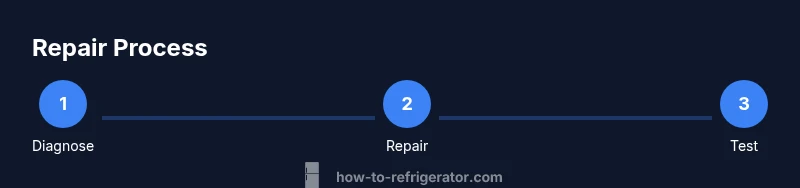
Start with a logical sequence to locate the fault without wasting time. Begin by ensuring power is available to the unit and that the outlet is functioning. Next, check the door seals for leaks or gaps and inspect gaskets for wear. If cooling is inadequate, inspect the condenser coils for dust and debris and clean if needed. Listen for unusual noises that might indicate a failing fan motor or compressor. Finally, review the thermostat setting and temperature readings. This flow helps you narrow down the issue while avoiding risky repairs. Keep a log of what you test and the results so you can summarize findings if you seek professional help.
Fixes for not cooling properly: practical remedies
Not cooling can stem from a blocked defrost drain, dirty condenser coils, faulty fan, or an aging thermostat. Start by locating the drain for frost build-up and ensure it isn’t blocked; a blocked drain can lead to frost and water pooling. Clean condenser coils with a brush or vacuum, especially if the unit is in a dusty environment. If the fan is making noise or not spinning, test electrical connections and inspect for ice buildup. The thermostat can fail gradually, causing inconsistent temperatures; test with a multimeter and compare readings to the model’s spec range. If a simple coil cleaning or drain unclogging fixes the issue, monitor the fridge over 24–48 hours for sustained cooling performance. This section emphasizes practical, non-destructive checks that homeowners can perform with basic tools and careful attention to safety.
Defrost drain and frost buildup fixes
Frost buildup can block airflow and reduce cooling efficiency. Locate the defrost drain and ensure it’s clear of ice or debris. A clogged drain can cause water to collect inside the fridge and create frost. Warm air around the drain or gentle heating can help, but avoid direct flame or hot water that could crack plastics. If you see ice accumulation on the evaporator, a partial defrost may be needed to restore airflow. After clearing the drain, check for proper door seal function and ensure the interior remains dry. Regularly inspecting the drain prevents recurring frost issues and helps maintain efficient cooling.
Condenser coils, seals, and fan issues: what to inspect
Dusty condenser coils drastically reduce heat rejection efficiency, leading to longer run times and higher energy use. Clean the coils with a brush or vacuum carefully from the back or underneath, following model guidelines. Check door seals for gaps or tears; a poor seal forces the compressor to work harder, causing temperature fluctuations. If the evaporator or condenser fan is noisy or stops intermittently, inspect for obstructions and test power to the motor with a multimeter. Replacing a faulty fan or worn gasket can significantly improve cooling and energy efficiency, often without needing a full appliance replacement.
Maintenance routines to prevent future failures
Preventative care saves time and money. Schedule regular coil cleaning every 6–12 months, depending on environment. Wipe door gaskets with a mild soap solution to keep them flexible, and replace worn seals to maintain an airtight interior. Keep the fridge level to prevent drainage issues and ensure correct compressor operation. Check the temperature setting and monitor for any unusual energy usage. A simple cleaning and inspection routine can extend the life of a refrigerator and improve reliability, which aligns with best practices highlighted by How To Refrigerator.
When to call a professional and cost considerations
If the issue involves refrigerant handling, compressor replacement, or high-voltage components, contact a licensed technician. Refrigerant work is tightly regulated and requires specialized equipment and training. For issues discovered during DIY checks that you cannot safely resolve—such as persistent not cooling after a drain clean, noisy compressor, or suspected refrigerant leaks—professional service is the prudent choice. Understanding your unit’s age and repair cost helps determine whether replacement offers better long-term value. The How To Refrigerator team emphasizes cautious decision-making and prioritizing safety when repairs exceed your comfort level.
Quick maintenance checklist to end
- Regular coil cleaning and seal inspection
- Temperature monitoring and consistent settings
- Keep your fridge level and stable
- Use a thermometer to verify interior temperatures
- Schedule periodic professional servicing for refrigerant and high-voltage components
Following these steps helps homeowners maintain reliability and can reduce future repair needs.
Tools & Materials
- Safety gear (gloves and eye protection)(Protect hands and eyes during component access and coil cleaning)
- Multimeter(Test voltage, continuity, and resistance; verify thermostat and fan circuits)
- Screwdrivers (Phillips and flat-head)(Access service panels and hardware securing panels)
- Nut drivers / small socket set(If your model uses hex or star fasteners on access panels)
- Soft brush or coil-cleaning brush(Remove dust from condenser coils without bending fins)
- Soft rags and a shallow tray(Catch drips and wipe surfaces during cleaning)
- Flashlight(Illuminates hard-to-reach panels and coils)
- Manual or model-spec sheet(Reference for wiring diagrams and safe service guidelines)
Steps
Estimated time: 1-2 hours
- 1
Unplug and assess safety
Disconnect power at the outlet and, if possible, switch off the dedicated breaker. Visually inspect for signs of oil leaks, ice buildup, or burnt smells before touching components. This step establishes a safe baseline to perform any further checks.
Tip: Take a photo of panel screws before removing covers to ensure correct reassembly. - 2
Check power and outlet
Plug the fridge back into a known-good outlet or test the outlet with a multimeter to confirm it's supplying voltage. A faulty outlet can masquerade as a fridge problem, leading you to unnecessary repairs.
Tip: If other devices don’t work in the same outlet, fix the wiring or use a different outlet. - 3
Inspect door seals
Close the door on a dollar bill or piece of paper; if you can pull it out easily along the edge, the gasket may be worn. A compromised seal forces the compressor to run more and can reduce cooling efficiency.
Tip: Clean seals with mild soap and water; replace if torn or stretched. - 4
Clean condenser coils
Locate the condenser coils (back or bottom). Gently remove dust with a brush or vacuum. Dirty coils reduce heat rejection and increase energy use.
Tip: Avoid using metal tools that can bend fins; be gentle around delicate components. - 5
Check the evaporator fan
With power off, verify the evaporator fan spins freely and isn’t obstructed. Listen for unusual buzzing or grinding when powered on. A faulty fan reduces air circulation.
Tip: If the fan is seized, do not force it; seek professional service. - 6
Test the thermostat
Temporarily advance or retract the thermostat setting and observe the compressor’s response. If the compressor doesn’t start or stops unexpectedly, test wiring resistance and power at the control board.
Tip: Use the model’s schematic to identify thermostat terminals and expected resistance range. - 7
Observe defrost system
If frost accumulates on the evaporator, inspect the defrost timer and heater circuit for continuity and operation. A stuck defrost cycle can block airflow.
Tip: Never bypass a defrost heater; faulty defrost components require proper replacement. - 8
Run a test cooling cycle
Reassemble panels, restore power, and monitor interior temperature over 24–48 hours. Record high/low temps to evaluate stability.
Tip: Set a consistent target temperature (e.g., 37°F for fridge, 0°F for freezer) and track changes. - 9
Decide on next steps
If issues persist after basic checks, translate observations into a service call request. Identify whether the issue is electrical, mechanical, or refrigerant-related.
Tip: Document symptoms and test results to speed up diagnostics with a technician.
FAQ
Can I repair a refrigerator myself?
Yes for simple issues like door seals, coil cleaning, and basic electrical checks. Do not attempt refrigerant work or high-voltage repairs unless you are trained and licensed.
Yes, you can handle simple fixes like seals and coil cleaning, but avoid refrigerant work or dangerous electrical tasks unless you’re trained.
What are common signs of a failing defrost drain?
Water pooling inside the fridge, frost on the evaporator, and unusual humidity indicate a blocked defrost drain. Clearing the drain helps restore airflow and cooling.
Look for water pooling and frost buildup as signs of a blocked defrost drain.
How do I test if the thermostat is faulty?
Use a multimeter to test thermostat terminals for continuity and compare readings to the model’s specification. If readings are off, the thermostat may be failing.
Test the thermostat with a multimeter; incorrect readings suggest failure.
When should I replace my fridge instead of repairing it?
If repair costs are high relative to a new unit and the fridge is older, replacement may be more cost-effective in the long run.
If repairs would be very costly and the unit is old, replacing might be better.
Is refrigerant dangerous to handle yourself?
Yes. Refrigerants require specialized equipment and licensing. Do not attempt to recover or manipulate refrigerant yourself.
Refrigerant work is hazardous and regulated—leave it to licensed technicians.
What tools are essential for DIY fridge repair?
A basic kit includes gloves, a multimeter, screwdrivers, a coil brush, rags, and a flashlight. Reference the model manual for specifics.
Essential tools include gloves, a multimeter, screwdrivers, a coil brush, and a flashlight.
Watch Video
Top Takeaways
- Identify failing components using a logical flow
- Prioritize safety before any DIY repair
- Clean coils and seals regularly to prolong life
- Test temperatures and record results for accuracy
- Know when to call a professional