Repair on Refrigerator: Safe DIY Fixes for Homeowners
Learn practical, safe fridge repair techniques for homeowners. This How To Refrigerator guide covers common issues, essential tools, a step-by-step workflow, and tips to keep your refrigerator running efficiently and cost-effectively in 2026.


This guide helps homeowners perform safe repair on refrigerator tasks, covering common symptoms, essential tools, and a clear, step-by-step workflow to diagnose, decide, and fix issues. You’ll learn practical safety practices, when to repair versus replace, and how to conserve energy while extending your appliance’s life. This approach keeps you in control and reduces the risk of costly mistakes.
What repair on refrigerator entails and why it matters
Repair on refrigerator tasks can range from simple maintenance to replacing a faulty thermostat or defrost timer. A well-executed repair enhances energy efficiency, prolongs unit life, and avoids early replacement costs. Homeowners who understand basic refrigeration concepts—like how the compressor, condenser coils, and evaporator work together—can spot symptoms early and act confidently. According to How To Refrigerator, a proactive approach to minor fixes often yields better long-term performance than routine replacement. By prioritizing safety and using the right tools, you minimize risks and maximize the odds of a successful outcome.
Keep in mind that many fridge issues stem from poor seals, dirty coils, or temperature missettings. With routine checks and a calm, methodical approach, you can address most common problems without professional service. This section outlines practical steps you can take, what you should avoid, and how to decide when to escalate the repair to a licensed technician.
Diagnosing symptoms and understanding when repair is practical
Fridges communicate via a few telltale signs. If the unit isn’t cooling adequately, check the thermostat setting, door seals, and air flow from the vents. Frost buildup in the freezer may indicate defrost timer or heater issues, while unusual noises can point to fan motors or the compressor. Water leakage on the floor can result from a blocked defrost drain or a clogged drainage path. Energy inefficiency often accompanies dirty condenser coils or poor airflow. When you assess symptoms, document the exact behavior, the model, and any recent changes to avoid chasing symptoms. How To Refrigerator emphasizes starting with simple, non-invasive checks before disassembling panels.
Beyond symptoms, verify that the unit is level, plugged in, and receiving power. Some issues mimic other problems, so a systematic approach helps you avoid unnecessary part replacements. If you notice warm air around the door, inspect gaskets and door alignment. If the temperature inside remains inconsistent, you may need to recalibrate the thermostat or inspect the evaporator for ice buildup. Building a experiential map of symptoms will shorten repair time and improve accuracy.
Safety first: prerequisites and precautions for DIY fridge repairs
Before you touch the appliance, unplug it or switch off the dedicated circuit breaker. Never work on energized components or attempt refrigerant handling without proper training; refrigerants require licensed professionals and specialized recovery equipment. Use non-conductive tools and wear safety glasses to protect against sharp edges and molten metal. Keep the work area clean and dry to prevent slips and accidental contact with electrical components. If the exterior panels need removal, photograph wiring routes first, label connectors, and work slowly to minimize connector damage. Avoid leaning on shelves or placing heavy objects that could tip the unit during service. Following these precautions reduces the risk of electric shock or personal injury.
Having a partner or a stable, clear workspace helps you manage tools and components efficiently, while a flashlight or headlamp improves visibility inside cabinet housings. Remember: when in doubt about electrical components or refrigerant lines, pause and seek professional help. Your safety is paramount, and some repairs are best left to trained technicians.
A practical repair workflow: preparing, diagnosing, and testing
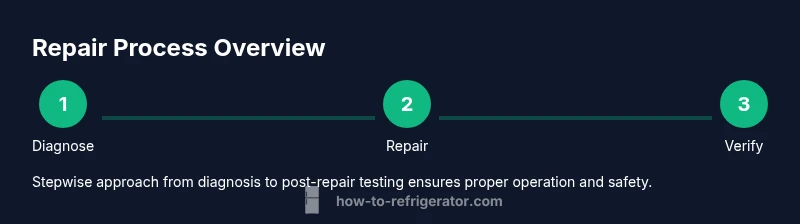
A structured workflow increases the likelihood of a successful repair. Start with preparation: gather your tools, unplug the unit, and take photos of the area you will work on. Next, diagnose using a process of elimination: thermostat, door seals, coils, fan, and drainage. After identifying a likely faulty component, replace or repair it, reassemble, and test the unit. Finally, monitor performance for 24–48 hours to confirm stability. This approach reduces guesswork and helps you validate results before concluding the job. Throughout the process, maintain clean work habits, keep spare parts organized, and document the repairs for future reference. How To Refrigerator recommends keeping a simple log of symptoms, actions taken, and test outcomes to guide future maintenance.
Preventive maintenance and energy-conscious care
Regular maintenance is the best way to prevent failures. Schedule seasonal checks for door seals, condenser coils, and drainage paths. Clean coils every 6–12 months and ensure proper airflow around the appliance. Replace worn gaskets promptly and calibrate temperature settings to balance food safety with energy use. A well-maintained refrigerator runs more efficiently, reducing electricity consumption and extending appliance life. Additionally, keep the coil area free of dust and debris to improve heat transfer. By integrating these routines into your home maintenance calendar, you’ll reduce unexpected repairs and keep your fridge running smoothly.
Tools & Materials
- Multimeter (digital preferred)(Measure voltages and continuity; 2000V rating is ample)
- Nut driver set(Assorted sizes to match screws in panels)
- Screwdrivers (Phillips #2, flat-blade 1/4 inch)(For panel screws and brackets)
- Non-conductive pry tools(To avoid damaging plastic components)
- Wire cutters/strippers(For label-free wiring work and splicing)
- Soft rag or towels(Keep the area dry and wipe up spills)
- Flashlight or headlamp(Improve visibility inside cabinet)
- Replacement parts as needed (thermostat, defrost timer, fan)(Only if diagnosed faulty)
Steps
Estimated time: 60-120 minutes
- 1
Power down and safety prep
Unplug the refrigerator or switch off the circuit breaker. Gather your tools and ensure the workspace is dry. Take photos of wiring and belt routes for reference, and label any connectors you disconnect.
Tip: Never work on energized components; unplug first and verify power is off with a multimeter. - 2
Check thermostat and seals
Verify the thermostat is set correctly and test with a thermometer to confirm accurate temperature readings. Inspect door gaskets for wear or gaps; a poor seal can cause frost or condensation and reduce cooling efficiency.
Tip: If the door seal is damaged, replace it to restore proper cooling and energy efficiency. - 3
Inspect condenser coils and airflow
Locate coils (usually behind the grille) and remove dust using a brush or vacuum. Ensure there is at least a few inches of clearance around the unit for proper airflow. Poor airflow forces the compressor to work harder and wastes energy.
Tip: Vacuum in short, controlled sweeps to avoid dislodging delicate fins. - 4
Test electrical components with a multimeter
With the unit unplugged, test the compressor relay, defrost heater, and fan motor for continuity. Compare readings to the appliance's service manual or manufacturer specifications. Replace any components showing open circuits or abnormal values.
Tip: Document tested components and readings for future reference. - 5
Replace or repair the faulty parts
Install the replacement thermostat, defrost timer, or fan motor as needed. Reconnect wiring carefully and ensure connectors are seated firmly. Reassemble panels with screws tightened evenly.
Tip: Double-check the orientation of components before securing panels to avoid misalignment. - 6
Power up, test operation, and finalize
Plug in the unit and allow it to reach target temperatures. Confirm cooling is stable, and check for leaks or unusual noises. Clean up tools, record the repair, and schedule preventive maintenance.
Tip: Monitor performance for 24–48 hours to confirm stability and prevent repeat issues.
FAQ
What should I check first if my refrigerator isn't cooling properly?
Start with the thermostat setting, door seals, and airflow from vents. A dirty condenser coil or blocked drainage can also cause cooling issues. If these checks don’t fix the problem, move to testing electrical components.
First check the thermostat and door seals, then ensure airflow from the vents; if it still isn’t cooling, inspect the condenser coils and drainage.
Is it safe to repair a refrigerator myself?
Basic maintenance and non-hazardous repairs are generally safe for homeowners who follow safety precautions and unplug the unit. More complex repairs, especially those involving refrigerants or high-voltage components, should be performed by a licensed technician.
Yes, for simple maintenance, but refrigerants and high-voltage parts require a professional.
How do I know when to replace a compressor?
A compressor showing persistent overheating, loud knocking, or signs of thermal wear usually indicates replacement is necessary. Since compressors are critical and expensive, consult a pro to confirm the diagnosis and feasibility.
If the compressor overheats or makes unusual noises repeatedly, replacement is often needed, and a pro should verify.
What tools do I need for common fridge repairs?
Essential tools include a digital multimeter, screwdrivers (Phillips and flat), nut drivers, wire cutters, and a soft cloth for cleaning. Having labeled connectors and a parts tray helps prevent mistakes.
A multimeter, screwdrivers, and a few basic tools are enough for common fixes.
How long do repairs typically take?
Most minor repairs take about 30-60 minutes if you have the right parts on hand. More complex fixes, like compressor issues, can take several hours and may require professional service.
Usually 30 to 60 minutes for simple fixes; complex issues may take longer and need a pro.
Can defrost issues affect not cooling doors and frost buildup?
Yes. A faulty defrost timer or heater can cause frost buildup and reduce cooling. If you notice excessive frost, inspect the defrost system and consider replacing the timer or heater if needed.
Frost buildup can mean the defrost system isn't working; check the timer and heater if you see frost.
Top Takeaways
- Diagnose symptoms before disassembly to avoid unnecessary fixes
- Prioritize safety and shut off power before any work
- Use the right tools and labeled connections for reliable repairs
- Know when to replace a component rather than repair