How to Get Rid of a Fridge: Safe Disposal Guide
A homeowner-friendly guide to disposing of an old fridge safely, legally, and with minimal hassle. Learn options, preparation steps, and what to expect from pickup or recycling services.


You can safely and legally get rid of an old fridge by choosing recycling, donation, or pickup services. Begin by locating a licensed recycler or municipal program, and unplug the unit. Remove perishables, secure doors, and gather required paperwork. Many programs require proof of removal and refrigerant handling; plan for a pickup window of 1–2 weeks.
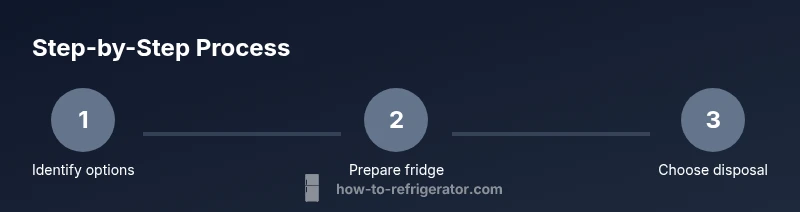
Assess disposal options
If you are wondering how to get rid of a fridge, the first step is to understand disposal options in your area. Fridges contain refrigerants, oils, and insulating foam that must be handled by licensed professionals. Improper disposal can harm the environment and may violate local laws, so start by checking your municipality’s rules and choosing a compliant path. How To Refrigerator emphasizes three main routes: licensed appliance recyclers, municipal curbside programs, or donation/salvage options if the unit still runs. Compare costs, timelines, and whether refrigerant is guaranteed to be removed before pickup. Keep a copy of any paperwork for your records. By choosing a certified service, you reduce liability and ensure safe handling of hazardous components.
Prepare the fridge for disposal
Before disposal, unplug the unit and empty it. Remove or prop the doors open to prevent accidental entrapment, and disconnect any water lines from ice-makers if present. If you can, remove shelves and drawers for easier handling and to reduce damage during transport. Wipe down the interior to minimize odors and make the appliance less attractive to pests during storage. If you can, remove shelves and drawers for easier handling and to reduce damage during transport. Finally, take photos for your records and to document the condition before removal.
Choosing a disposal path
There are several routes to consider. Donating a fridge that still cools can help a family in need; arrange with local charities, community centers, or resale stores to verify acceptance. If the fridge is non-working, recycling remains the preferred option; many landfills will not accept full appliances. Contact a licensed recycler to ensure refrigerants are recovered and the appliance is recycled properly. Some services offer bundled removal with haul-away or curbside pickup; compare quotes and check that the company provides a certificate of disposal. For those who want convenience, a local junk-removal service might handle the entire process, but confirm that they partner with certified recyclers. By planning ahead, you can minimize the environmental impact.
What to expect during pickup or drop-off
During scheduling, you will likely need to confirm whether refrigerant is present and who is responsible for its removal. The recycler will send a technician to extract refrigerant and seal the lines; this step is critical and legally required in many jurisdictions. Transport may require a dolly or appliance cart; ensure a clear path from the door to the vehicle. Some programs require appointment windows or permits; provide the model, serial number, and capacity if requested. At drop-off, you may receive a disposal receipt or certificate of recycling; keep it for taxes or warranties. If you're donating, expect a receipt for your records.
Safety and legal considerations
Never attempt to release refrigerants or to open sealed appliances yourself; this is hazardous and often illegal. Refrigerants contribute to ozone depletion and environmental harm when mishandled. Ensure the recycler is EPA- or local-authority certified; ask for proof of credentials and disposal method. Some municipalities offer free or subsidized appliance disposal programs; check eligibility and required paperwork. For renters, coordinate with your landlord and confirm responsibility for removal to avoid liability. Always detach any consumer electronics or accessories that could be damaged during disposal and avoid leaving the fridge on the curb where it could block traffic. How To Refrigerator analysis shows that proper licensing reduces environmental risk and liability.
External Resources and References
Local and national guidance on appliance disposal can help you plan efficiently. See EPA's appliance recycling resources: https://www.epa.gov/recycle/recycling-appliances. For consumer guidance on waste disposal, visit the FTC's consumer information about waste disposal: https://www.consumer.ftc.gov/articles/waste-disposal. You can also explore energy-related disposal guidance from the Department of Energy: https://www.energy.gov/eere/buildings/articles/recycling-appliances.
Tools & Materials
- Safety gloves(Cut-resistant gloves, 1 pair)
- Screwdriver set(Phillips and flat-head screwdrivers)
- Dolly or appliance hand-truck(For moving heavy appliance safely)
- Clear workspace and lighting(Ensure path from fridge to vehicle is unobstructed)
- Documentation for disposal program(Proof of pickup or recycling, if required)
Steps
Estimated time: 60-90 minutes
- 1
Identify disposal options
Research local rules and choose the best path: donate if working, recycle if not, or hire a licensed hauler. Compare quotes and confirm refrigerant handling requirements.
Tip: Call your city or waste authority to confirm accepted methods before scheduling. - 2
Prepare fridge for transport
Unplug the unit, empty contents, and remove or secure doors to prevent injuries. Remove shelves and drawers to reduce weight and protect interior surfaces.
Tip: Keep doors secured with tape and label as heavy to prevent accidents. - 3
Arrange refrigerant removal
Contact a certified technician to recover refrigerant and seal lines. Do not attempt to release refrigerant yourself.
Tip: Ask for certification proof and a disposal receipt. - 4
Schedule pickup or drop-off
Coordinate with the chosen service; provide model/serial numbers if asked. Ensure access and confirm pickup window or drop-off time.
Tip: If donating, confirm pickup times and donation acceptance. - 5
Document disposal
Get a disposal receipt or certificate, and file it for tax or warranty purposes. Photograph the fridge condition before removal.
Tip: Keep digital copies and date-stamped photos. - 6
Verify final recycling result
Ensure the recycler sends confirmation of recycling and proper disposal, and report any issues to the service provider.
Tip: Follow up within a week if you do not receive a certificate.
FAQ
Can I throw a fridge in the regular trash?
Most municipalities prohibit throwing fridges in regular trash due to refrigerants and hazardous materials. Use a licensed recycler or municipal program to ensure compliant disposal.
No, regular trash is not appropriate for a fridge; use a licensed recycler.
Do I need to remove the doors before disposal?
Yes. Remove or secure doors to prevent injury and dodge entrapment during handling. Some programs require doors to be removed or taped shut.
Yes, remove or secure the doors before disposal.
How do I know if a recycler is licensed?
Ask for credentials, certifications, and disposal method. Check with local authorities or the recycler's published policies to ensure proper refrigerant handling.
Ask for proof of licensing and disposal methods.
Is there a cost to disposal?
Yes, most programs charge a disposal or pickup fee. Costs vary by location and service level; request a written estimate before scheduling.
There is usually a fee; request a written estimate.
If my fridge still works, can I donate it?
If it cools reliably, donation is often possible through charities or reuse centers. Verify acceptance and pickup arrangements before preparing.
Yes, working fridges can often be donated.
Watch Video
Top Takeaways
- Plan disposal early to avoid delays
- Use licensed recyclers for safety and legality
- Secure doors and remove contents before transport
- Keep disposal receipts for records