What to Do If Refrigerator Door Won't Close: A Homeowner Guide
Learn safe, step-by-step actions to fix a refrigerator door that won't close. Troubleshoot seals, hinges, magnets, and alignment with homeowner-friendly tips from How To Refrigerator.


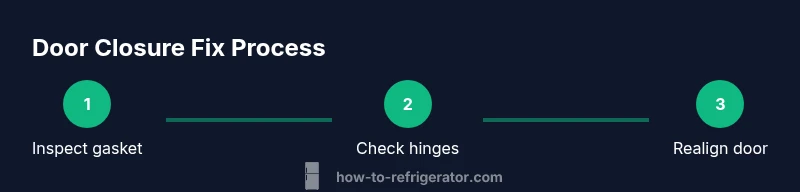
If your refrigerator door won’t close, you can usually fix it with a simple, homeowner-friendly checklist. Start by unplugging the unit, then inspect the gasket for dirt or damage, check hinge screws for looseness, and verify door alignment with a level. Clean or replace worn parts as needed, and retest the seal. This quick approach often restores a snug seal in under an hour.
Why the fridge door won't close
If you’re asking what to do if refrigerator door is not closing in your kitchen, you’re not alone. A door that refuses to seal usually isn’t a mysterious fault with the compressor or cooling system; it’s often a mechanical or seal issue that can be solved with basic checks. According to How To Refrigerator, many closure problems trace back to three culprits: the door gasket, the hinge screws, and the overall door alignment. Before you touch any electrical components, unplug the unit to avoid shocks while you work around the interior or behind the doors. Start with a visual inspection of the gasket: look for cracks, tears, or hard, stiff rubber that won’t flex. A damaged or dirty seal can create air leaks that prevent full closure and waste energy. If the gasket seems fine, look for a slightly sagging or misaligned door—this can be caused by loose hinge screws or a warped door from impact. How To Refrigerator Analysis, 2026 highlights misalignment and gaskets as the two most common closure culprits. Don’t panic—many fixes are quick, affordable, and DIY-friendly with common household tools. Gather a flashlight, a clean rag, mild soap, and a level to start.
As you proceed, keep in mind that a door that doesn’t close properly can lead to frost buildup and higher energy usage. A well-sealed door helps keep the interior at the proper temperature and reduces workload on the compressor. The goal is a snug, airtight seal each time you shut the door, not a barely-closed edge that leaks air.
Common causes behind doors not closing
Several factors can keep a fridge door from closing cleanly. A dirty or cracked door gasket is a frequent offender; debris or dried soap residue can keep the seal from seating properly. Worn or compressed gaskets lose their elasticity over time, causing leaks. Hinge problems are another common source: loose screws, bent hinge plates, or sagging doors can tilt the door out of alignment. Leveling the fridge is essential; an unlevel unit tilts the door and prevents it from meeting the gasket squarely. Internal shelves or stored items too close to the door edge can block full closure. Magnetic catches (if your model uses them) may weaken with time, reducing the door’s snap. In some cases, the door itself can warp from heavy or uneven loads, especially if someone climbs past the door or bangs it. Resolving these issues usually involves cleaning and reseating parts, tightening screws, or replacing a worn gasket. How To Refrigerator Analysis, 2026 emphasizes that most fixes are straightforward and affordable, especially when you break the problem into gasket, hinge, and alignment checks.
Safety first: unplug and prepare
Safety should always come first when attempting fridge repairs. Unplug the unit before you start any inspection near electrical components, coils, or the condenser. If you need to remove shelves or pull the unit away from the wall, use a helper to avoid tipping or strain. Clear the area around the fridge so you can access the door frame and hinges without obstruction. Have a soft mat or towel nearby in case you drop small screws or washers. When handling the gasket, avoid using sharp tools that could damage the rubber; a soft cloth and a mild detergent are usually enough. If your fridge is in a tight space or you rent and cannot access the flooring behind the unit, proceed with extra caution and consider calling a pro for the final alignment if you encounter resistance in the hinges or mounting.
Reminder: if you notice the door pulling away from the cabinet or a loud creak when opening or closing, pause and recheck your steps. Safety and controlled movements reduce the risk of injury and further damage to the door or hinges.
Step-by-step diagnostic checklist
- Unplug the fridge and remove items near the door. Why: to safely inspect the seal and hinges without power in the circuit. 2) Inspect the door gasket for cracks, tears, or hardening. Why: damaged gasket prevents proper sealing. 3) Clean the gasket with warm soapy water and wipe dry. Why: dirt can prevent airtight seating. 4) Check hinge screws and mounting plates for looseness; tighten as needed. Why: loose screws tilt the door. 5) Use a spirit level to verify the fridge is plumb and level from front to back and side to side. Why: an unlevel unit can cause misalignment. 6) Open and close the door slowly; look for gaps around the gasket edge. Why: identify uneven seating. 7) If the door sits unevenly, adjust the hinges or the door strike plate according to your model’s manual. Why: small adjustments restore alignment. 8) Reassemble shelves, plug back in, and test the door closure several times. Why: ensure the fix holds under normal use. 9) If the door still won’t close, replace the gasket or consult a professional. Why: persistent closure issues may require part replacement or hinge realignment.
Estimated time for the diagnostic checklist: about 20-40 minutes depending on access and complexity.
Fixes: gaskets, hinges, alignment
A. Gasket care and replacement:
- Clean the gasket on both sides with a mild detergent and warm water; dry thoroughly. Gently flex the gasket to test elasticity. If the gasket cracks or won’t seal after cleaning, replace it. Replacement requires removing mounting screws and snapping in a new gasket. B. Hinge tightening and alignment:
- Check all hinge screws. Tighten in a criss-cross pattern to avoid warping the hinge leaf. If the door is still misaligned after tightening, you may need to adjust the top hinge or the strike plate. C. Door alignment:
- Place a level on the top edge of the door and adjust the hinges to bring the door into square alignment with the cabinet. If your model has a hinge offset, adjust accordingly using the manufacturer’s guidelines. D. Internal obstructions:
- Remove items near the door edge that may hinder closure. A bulky shelf or a tall container can prevent a complete seal.
If you need to replace a gasket or hinge, measure the door size and hinge type to ensure compatibility. Always unplug the fridge before removing components and keep screws organized by size.
Keep in mind that repeated door banging can warp the door edge or damage the hinge; gradual, careful adjustments yield better long-term results.
When to replace parts and how to decide
Some closure issues come from parts that simply wear out. If the gasket is cracked, permanently deformed, or no longer returns to shape after cleaning, it’s time to replace it. For hinges, look for bent or cracked hinge leaves, stripped mounting holes, or loosened screws that won’t tighten. If hinge stiffness or door alignment persists after adjustments, and you notice energy waste, frost buildup, or unusual noises, consider replacements. When choosing parts, verify the model number and door height so you pick compatible components. For many homeowners, replacing a worn gasket is a quick, cost-effective fix, while hinge replacement may require professional assistance if you’re uncomfortable with disassembly or adjusting the door’s load path. The principle is to restore a true seal and a balanced door swing so the fridge can close with a clean, uniform edge.
Note: If your fridge has a bottom-melly kick plate or a complicated hinge system, consult the owner’s manual or the manufacturer’s website for torque specs, screw sizes, and alignment tips.
Maintenance to prevent future door closure problems
Routine maintenance helps avoid closures issues before they start. Every 3–6 months, inspect the gasket for signs of wear, and clean it with mild soap to keep elasticity. Check hinge screws and tighten them if they become loose over time, especially after moving the fridge for cleaning or spilling items around the kitchen. Keep the area around the fridge free of clutter to prevent misalignment from edge pressure. Periodically level the unit to ensure a square door and adjust magnets or strike plates if your model relies on them. If you notice frost or condensation at the door seam, check for air leaks and ensure the door remains in contact with the gasket. Finally, avoid placing heavy items on the door or using the door as a step ladder, as it can warp the frame or cause misalignment. Following these steps reduces future closure problems and saves energy by maintaining an airtight seal. The How To Refrigerator team recommends incorporating these maintenance habits into your regular kitchen upkeep to extend appliance life and efficiency.
Authority sources
This guidance reflects common-sense maintenance practices and is supported by industry observation and homeowner experience. For additional, formal references, see the following sources:
- https://www.energy.gov
- https://www.nist.gov
- https://www.consumer.ftc.gov
Tools & Materials
- Phillips head screwdriver(For tightening hinge screws)
- Flat-head screwdriver(Useful for prying or adjusting strike plates)
- Adjustable wrench or nut driver(Helpful for stubborn fasteners)
- Level (spirit level)(Check door and cabinet plumb)
- Clean rag or microfiber cloth(Clean gasket and surfaces)
- Mild dish soap(Gentle cleaning agent for gasket)
- Mild detergent or spray cleaner(Extra cleaning option)
- Tape measure(Verify door height vs cabinet)
- Replacement gasket (if needed)(Compatible with model, check part number)
- Replacement hinge screws (if needed)(Keep same size/thread pattern)
Steps
Estimated time: 60-90 minutes
- 1
Unplug and clear the area
Unplug the fridge and remove items around the door to give you room to work. This protects you from shocks and prevents accidental spills while you inspect the seal and hinges.
Tip: Keep a helper handy if you need to move the fridge. - 2
Inspect the gasket and hinge area
Look for cracks, tears, or deformations in the gasket. Check hinge screws to see if they’re loose or stripped and inspect the mounting plates for any evident damage.
Tip: Use a flashlight at the gasket edge to catch fine cracks. - 3
Clean and test the gasket
Wipe the gasket with warm soapy water; rinse and dry thoroughly. After cleaning, gently press the gasket to verify it flexes and seals evenly around the door edge.
Tip: If the gasket is stiff, it may need replacement. - 4
Check door alignment with a level
Place a level on the top edge of the door. If the door isn’t level with the cabinet, adjust the hinges to bring it into alignment.
Tip: Make small adjustments and recheck the level frequently. - 5
Tighten screws and reseat components
Tighten any loose hinge screws in a criss-cross pattern. If you’re seeing gaps at the door edge, reseat the strike plate or hinge leaf to improve seating.
Tip: Do not overtighten—over-tightening can strip holes. - 6
Test closure with items in place
Reinstall shelves and lay out items near the door area to simulate daily loading. Close the door slowly a few times to confirm a snug seal.
Tip: Close with moderate pressure, not a slam. - 7
Replace gasket or hinge if needed
If the door still won’t close after adjustments, replace the gasket or hinge parts with correct models and re-test.
Tip: Check compatibility, model number, and screw size before purchasing. - 8
Re-test and monitor performance
Plug the unit back in and observe for energy efficiency and sealing behavior over several cycles. If issues recur, consider professional service.
Tip: Keep a log of when you notice changes to help a tech diagnose later.
FAQ
What should I check first when the fridge door won’t close?
Start with the gasket, hinges, and door alignment. Clean the gasket, tighten hinge screws, and verify the door sits squarely against the cabinet.
First, check the gasket, hinges, and alignment. Clean the seal, tighten screws, and ensure the door sits squarely.
Can a warped door cause closing problems?
Yes. A warped door can prevent proper seating. If the door edge looks uneven or the gap isn’t uniform, consider professional assessment or hinge adjustment.
A warped door can stop it from sealing properly. If the edge is uneven, get it checked.
When should I replace the gasket?
Replace the gasket if you see cracks, missing sections, or persistent leaks after cleaning. A worn gasket won’t seal even after adjustments.
Replace the gasket if it’s cracked or leaky after cleaning.
Is leveling the fridge important for door closure?
Yes. An unlevel fridge can tilt the door, making proper closure difficult. Level the unit and recheck the seal.
Leveling helps the door seal evenly. Recheck after leveling.
When should I call a professional?
If the door still won’t close after gasket and hinge adjustments, or you hear unusual noises, contact a qualified repair technician.
Call a professional if the door still won’t close after checks or you hear odd noises.
Can items inside the fridge affect door closure?
Yes. Large items near the door edge can push the door out of alignment. Remove bulky items and retest closure.
Bulky items near the edge can push the door out. Remove them and test again.
Watch Video
Top Takeaways
- Inspect gaskets and hinges first for closure issues
- Use a level to ensure proper door alignment
- Clean, replace, or reseat parts as needed
- Test closure after each adjustment