If Refrigerator Door Is Kept Open: A Homeowner's Guide to Quick Fixes
Learn why a fridge door left open wastes energy and how to fix it safely. This comprehensive guide from How To Refrigerator provides step-by-step actions, maintenance tips, and troubleshooting for homeowners.


This guide helps homeowners address if refrigerator door is kept open. You'll identify why the door stays ajar, prevent energy waste, and safely restore proper cooling. Before you start, gather basic tools, inspect door seals, and verify the door fully closes during tests. Follow these steps for a safe, effective fix.
Understanding why the door is kept open
The exact scenario described by the phrase if refrigerator door is kept open is a common household concern. When a door fails to seal properly, warm room air rushes in, and the fridge must work harder to keep foods cold. According to How To Refrigerator, these situations often cause energy waste, uneven temperatures, and accelerated frost buildup near the evaporator. In practical terms, you may notice condensate on shelves, ice formation in unusual places, or your compressor running longer than usual. Recognizing the root cause—ranging from a simple misalignment to a damaged gasket—empowers you to choose the right fix without unnecessary disassembly. This block will guide you through fast checks, safety considerations, and a plan you can implement today. You’ll gain confidence that you can prevent a recurrence and protect your food by following a methodical, homeowner-friendly approach.
How cooling works inside a refrigerator
Modern refrigerators use a closed loop where refrigerant cycles between a compressor, condenser coils, evaporator coils, and an expansion device. The goal is to remove heat from inside the cabinet and reject it outside. When the door is open, warm air disrupts the balance, and the evaporator must extract more heat to reach the set temperature. This leads to longer compressor cycles, which can raise energy use and cause frost to form faster near the vent pathways. Maintaining a consistent interior temperature is essential for food safety and quality. Regular airflow and clean condenser coils help the system recover after the door is closed. A well-tuned unit has less temperature fluctuation and quieter operation overall.
The energy impact of a door left ajar
Opening the door for even short periods can increase the fridge’s workload because warm air raises the temperature differential the system must overcome. While exact numbers vary by model, the practical outcome is clear: the longer the door stays open, the more energy the refrigerator consumes. Repeated exposure to warm air can lead to ice melt and refreezing cycles, which stress the compressor and fans. The takeaway is simple: minimizing door-open time reduces energy waste and can extend the life of internal components. As you’ll see later, small routines—like closing the door promptly and organizing interior shelves—make a tangible difference over days and weeks.
Common scenarios that cause doors to stay ajar
Several everyday situations contribute to a door staying open. A swollen gasket from moisture or dirt can fail to seal; obstructive items on shelves near the door can prevent full closure; the door may be misaligned or have loose hinge screws; or the latch can be weak, especially after moving the unit. In high-traffic kitchens, people may push harder, accidentally jog the door, or place tall containers that jam the seal. Another frequent cause is a defrost drain that’s blocked, creating frost that interferes with proper airflow. Each scenario has a practical fix, often simple, and many homeowners can perform without professional help.
Quick checks you can do before you touch hardware
Before diving into hardware, you can perform quick, safe checks that solve many cases. Start by a firm, deliberate close—listen for the latch engaging and feel for a snug seal around the perimeter. Inspect the door gasket with a flashlight for cracks, tears, or deformations. Wipe the gasket gently with soapy water to remove dirt and test the seal again. Remove any items near the door that could push it open, then run the unit and monitor for a few minutes to see if it closes cleanly. If you notice persistent gaps or frost near the seals, the problem may be more than dirt and needs a deeper look.
Step-by-step actions to fix the issue (high-level overview)
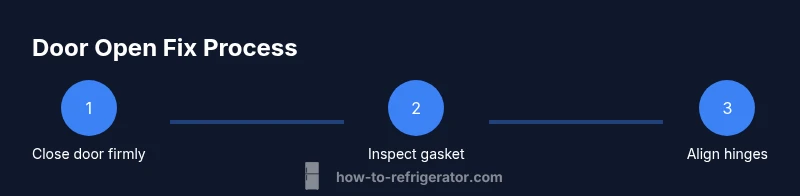
When the door remains ajar, you’ll typically run through a sequence that includes closing the door firmly, cleaning and inspecting the gasket, checking hinge alignment, testing airflow, and, if needed, performing a safe defrost. The goal is to restore a clean seal, proper alignment, and adequate airflow. At each stage, watch for signs that indicate further action is needed, such as persistent gaps or unusual frost. This overview keeps you focused on practical, repeatable actions rather than guesswork, reducing the risk of accidentally causing damage while you work.
How to inspect door seals and hinges
Gaskets are the first line of defense against air leaks. Look for cracks, drying, or deformation. A simple cleaning with warm water and mild dish soap often refreshes an elastic seal, improving contact with the cabinet. If the gasket feels brittle or pulls away from the door, replacement might be required. Hinges should be tight and properly aligned; loose screws can cause the door to sag and fail to seal. If you encounter stubborn misalignment, a few light shims or adjusting the mounting screws can bring the door back into proper contact. Remember to re-test after any adjustment.
When to call a professional
If you identify persistent damage to the gasket, bent doors, or a hinge that won’t hold alignment, it’s time to bring in a professional. Replacing a seal or adjusting hinges correctly requires precision, and attempting repairs without the right tools can worsen the issue. The How To Refrigerator team recommends scheduling service if your unit is under warranty or you notice unusual noises, frost in odd places, or temperatures drifting despite fixes. A pro can confirm whether the issue is mechanical or electrical and ensure the fix won’t void your warranty.
Preventive maintenance to avoid future incidents
Routine preventive care helps prevent future occurrences of a door staying ajar. Keep the gasket clean and free of food residues, inspect hinges for looseness, and organize items so they don’t press against the door. Ensure the refrigerator is level on its feet so the door closes evenly. Periodically check the door magnetic seal and replace it when you detect cracking or stiff movement. Clean condenser coils as dust reduces cooling efficiency, and keep the vent grilles clear to maintain smooth airflow. Small, consistent habits can significantly reduce the risk of a door failing to seal.
What to monitor after closing the door
After you’ve completed fixes, monitor performance for a period to confirm the issue is resolved. Check that interior temperatures stabilize within your model’s recommended range and that the door closes with a satisfying seal. Listen for compressor cycles and fans; unusual noises could indicate an unresolved problem. If you notice continued warm spots or frost buildup near the evaporator, revisit the gasket, hinges, or defrost system. Document your observations so you can reference them if you need professional help later. Regular checks help you catch small problems before they become bigger repairs.
Tools & Materials
- Screwdriver set (Phillips and flat-head)(To access hinge covers and screws)
- Fridge thermometer(Used to confirm temperature stability after fix)
- Soft cloth or microfiber towels(For cleaning gaskets and surfaces)
- Mild dish soap and warm water(Safe cleaning solution for gaskets)
- All-purpose cleaner (optional)(If gasket is dirty and soap isn’t sufficient)
- Masking tape or small shim (optional)(For gentle hinge alignment if needed)
- Vacuum or brush(To remove dust from vents or coils accessible from exterior)
Steps
Estimated time: 60-75 minutes
- 1
Close the door firmly and check the latch
Push the door closed with a deliberate motion until you hear or feel the latch engage. Inspect for a tight seal all the way around the perimeter. If the door still feels loose, repeat with slightly more pressure and verify there is no gap when tracing the edge with your finger.
Tip: If you hear a click, the latch likely engaged; a lingering gap means you may need to inspect the seal more closely. - 2
Inspect the door gasket for damage
Examine the gasket for cracks, tears, or stiff sections. Wipe clean with warm soapy water and a soft cloth, then dry thoroughly. Re-test the seal by closing the door on a sheet of paper or a dollar bill to see if it resists easy withdrawal.
Tip: Use a flashlight to catch any hairline cracks you might miss in daylight. - 3
Check hinge alignment and tighten screws
With the fridge unplugged, verify hinge screws are snug but not over-tightened. If the door sags, gently tighten or adjust the top hinge and re-seat the door. Reconnect power and re-check alignment after a few minutes of operation.
Tip: Avoid overtightening to prevent stripping screws or bending metal. - 4
Test door alignment and clearance
Close the door and observe whether the door sits evenly and seals without warping. If you see inconsistent gaps, perform a minor alignment tweak and re-test. Confirm that nothing near the door exerts pressure that could keep it ajar.
Tip: Mark the door position before adjusting so you can return if needed. - 5
Verify temperature and airflow
Place a thermometer inside the fridge and wait a short period for the reading to stabilize. Ensure shelves do not block vents and allow air to circulate from top to bottom. After adjustment, run the unit for 15–20 minutes and re-check.
Tip: Rearrange shelves to optimize airflow and prevent items from blocking the vent paths. - 6
Defrost if frost blocks airflow
If frost accumulation is visible and airflow is restricted, perform a safe defrost according to your manual. Do not use sharp tools to remove frost; instead, allow it to melt naturally or follow the appliance’s defrost procedure. Move foods to a cooler or cooler with ice packs temporarily.
Tip: Defrosts should be done with care to avoid water leakage onto floors. - 7
Run a second test and observe
After reassembling and letting the system run, observe the door for several cycles. Confirm that it closes cleanly and that the interior temperature remains stable. Note any persistent issues that require further inspection.
Tip: If the issue recurs, document the symptoms to help a technician diagnose the root cause. - 8
Document and monitor
Keep a quick log of what you did and the outcomes. Monitor energy usage and temperature over the next few days. If you notice ongoing problems, consider professional service or a warranty claim.
Tip: A simple checklist helps you spot recurring patterns quickly.
FAQ
Why does my refrigerator door keep opening on its own?
Often a poor seal, misaligned hinges, or items pressed against the door cause it to not close fully. Inspect the gasket, tighten hinges, and remove obstructions to restore proper closure.
Common causes include a worn gasket or misaligned hinges. Check the seal and hinges, and remove anything blocking the door.
How can I tell if the door gasket is damaged?
Look for cracks, tears, or stiffness along the gasket. A clean, flexible seal that contacts the cabinet is a good sign. If damage is present, replacement is often the best solution.
Look for cracks or stiffness, and test the seal by closing on a piece of paper. If it slips easily, it may need replacing.
Can I fix a misaligned door myself?
Yes, you can, by tightening hinge screws and adjusting the top hinge if necessary. If the door still sits high or low, use gentle shims or consult the manual for alignment procedures.
You can usually align the door by adjusting the hinges; just tighten screws and test the seal again.
Should I defrost the freezer if frost blocks airflow?
Defrosting may be required if frost buildup blocks vents. Follow the manufacturer’s defrost steps and avoid using sharp objects to remove ice.
If frost blocks airflow, defrost according to the manual and avoid poking ice with tools.
When should I call a professional?
If gasket damage is extensive, hinges are bent, or the problem persists after your fixes, seek professional service. Warranty coverage may apply, so check your plan.
Call a pro if the seal is damaged, hinges are bent, or the issue keeps coming back.
Can a door left open affect food safety?
Prolonged exposure to warmer air can raise the risk of spoilage. Close the door promptly and verify temperatures are within safe ranges after any fix.
Yes—keeping the door open can compromise food safety. Check temps after fixes and keep foods properly sealed.
Watch Video
Top Takeaways
- Close the door firmly and check the seal.
- Inspect and clean the gasket to restore a proper seal.
- Align hinges if the door sits unevenly.
- Ensure vents are unobstructed for proper airflow.
- Monitor temperatures after fixes and document results.