Water Line for Refrigerator: Install, Inspect, Maintain
Learn how to install, inspect, and maintain the water line for your refrigerator. Safe connections, leak prevention, and preventative maintenance tips from How To Refrigerator.


Objective: Ensure a reliable water line for your refrigerator by installing a proper supply line, verifying the shut-off valve, and testing for leaks. This guide explains line options, safe connection practices, common problems, and maintenance steps to prevent drips, frozen lines, and contaminated ice from the ice maker. Follow the steps carefully, and rely on How To Refrigerator for safe, homeowner-friendly instructions.
What is the water line for refrigerator and why it matters
The water line for a refrigerator delivers a steady supply of water to the ice maker and water dispenser. A reliable line reduces the risk of leaks, frozen lines, and contaminated water. According to How To Refrigerator, ensuring a properly installed water line is part of basic kitchen maintenance that protects your home and your family. The first step is understanding that the term refers to the continuous tubing or piping that channels water from your home's supply to the fridge's inlet valve. The main goal is to create a secure, pressure-tight path from the shut-off valve to the refrigerator with fittings that match the appliance and your plumbing. When installed correctly, the line minimizes air gaps that could introduce air or bacteria into the system, and it prevents leaks from overflowing into cabinets or floors.
Types of water line configurations for refrigerators
Refrigerator water lines come in several configurations, including braided stainless steel supply lines, rigid copper or PEX/PVC tubing, and flexible plastic lines. The most common residential setup uses a 3/8-inch compression fitting on the fridge side and a matching connection at the shut-off valve. Braided lines are favored for their durability and flexibility, while copper and PEX offer long-term reliability if installed properly. Consider the distance between the wall valve and the refrigerator, the door clearance, and whether you need an offset angle adapter to prevent kinks. Always ensure the line material is rated for potable water and that fittings are compatible with both your valve and the fridge inlet.
Note: For many homes, the water line for refrigerator is standard 3/8 inch compression on both ends, but always verify your specific model’s inlet size.
Common problems and warning signs
Leaking around connections, a wet cabinet floor, water pooling under the fridge, or a constant drip are obvious signs of a failing water line. Crimped or kinked tubing can reduce water flow and create pressure fluctuations that affect ice maker performance. Loose compression fittings are another frequent cause of leaks. In some cases, a cracked plastic line or a corroded valve stem can lead to slow drips or sudden streams. Regularly inspecting the line during routine fridge maintenance helps catch issues before they escalate.
Diagnosing issues safely
Start by turning off the shut-off valve and unplugging the fridge to avoid live connections. Visually inspect fittings for cracks, wear, or misalignment. Gently wiggle fittings to check for looseness, and look for wet spots or mineral deposits that signal a leak. If you detect a leak, tighten fittings slightly with a wrench, but never over-tighten. If the leak persists, replace the faulty section with a new line that matches the existing fittings. After maintenance, restore power and water, then run ice-cube production to confirm there are no leaks.
Planning your installation or replacement
Before you begin, measure the distance from the wall shut-off valve to the fridge inlet to determine the correct line length. Decide on material: braided stainless steel is common for ease of installation; copper is durable but requires cutting and soldering; PEX is flexible but needs compatible fittings. Gather the required tools and fittings, and consider hiring a professional if your home’s valve routing is difficult or if local codes require licensed installation. A well-planned install reduces frustration and speeds up the process.
Maintenance checklist to prevent leaks
Make a quarterly habit of inspecting the line for signs of wear, corrosion, or mineral buildup. Replace any aging line every few years or sooner if you notice stiffness, cracking, or bulging. Periodically tighten fittings after a few days of use to settle the connections, and replace worn washers or gaskets as needed. Keep the cabinet area dry and free of clutter to spot leaks quickly. If you notice reduced water flow, check the filter and ensure the line isn’t kinked.
Safety considerations and when to call a professional
Water lines run under constant pressure and can cause significant damage if mishandled. If you’re unsure about valve type, if the main supply line is old, or if you encounter multiple leaks, it’s wise to call a licensed plumber. Do not attempt to solder copper lines if you’re unfamiliar with water supply systems. If you’re renting or living in a high-rise, verify local codes for appliance connections. The How To Refrigerator team emphasizes prioritizing safety and using the correct fittings to avoid potential flooding or contamination.
Quick-start reference for condo or small kitchens
In compact spaces, you may need a shorter braided line and a compact shut-off valve. Ensure there’s enough clearance behind the refrigerator for the line so that doors can open fully. Use right-angle adapters sparingly to avoid sharp bends that can collapse the line over time. Regular checks remain essential in smaller layouts where leaks can foul a tight cabinet area quickly.
Tools & Materials
- Braided stainless steel water supply line (3/8 inch compression)(Select length to fit distance from shut-off valve to fridge; avoid excess slack)
- Adjustable wrench(Tighten compression nuts securely without over-tightening)
- Tubing cutter or utility knife(Trim line to length cleanly if needed)
- Teflon tape (plumber’s tape)(Seal threaded connections to prevent leaks)
- Bucket and towels(Catch and manage spills during work)
- Measuring tape(Accurate length measurement between valve and fridge inlet)
- Flashlight(Improve visibility inside cabinets)
Steps
Estimated time: 60-90 minutes
- 1
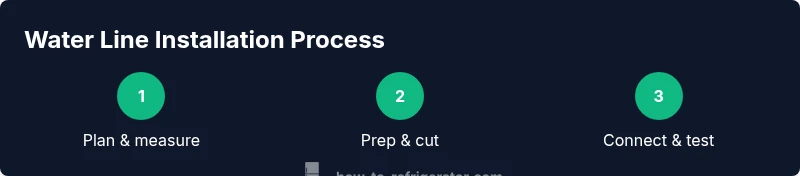
Plan and measure
Measure the distance from the wall shut-off valve to the refrigerator inlet. Decide on line material (braided stainless steel is common) and confirm fittings match both valve and fridge. Label the route to avoid future confusion and plan for gentle bends, not sharp turns.
Tip: Double-check measurements before buying to avoid returns or extra trips. - 2
Shut off the water supply
Close the shut-off valve firmly and unplug the fridge to ensure there is no live water or electricity during installation. Place towels nearby to catch incidental drips.
Tip: Keep a bucket handy in case of a sudden leak when you detach the old line. - 3
Disconnect the old line
If replacing an existing line, carefully loosen and remove fittings at the fridge inlet and wall valve. Have towels ready and verify the old line is fully depressurized.
Tip: Depressurize slowly; rapid pressure release can spray water. - 4
Prepare the new line
If needed, cut to length and install compression nuts and ferrules on the new line. Dry-fit first to ensure a clean, straight path without kinks.
Tip: Always run a dry-fit before final connection to confirm fit. - 5
Connect to fridge inlet
Attach the compression nut to the fridge inlet per the manufacturer’s instruction, slide on ferrule, and tighten securely with a wrench.
Tip: Hand-tighten first, then snug with wrench—avoid overtightening to prevent damage. - 6
Connect to supply valve
Attach the other end to the shut-off valve, ensuring the fittings seat properly. Check for line twists or kinks that could obstruct flow.
Tip: Ensure the line has a gentle bend radius; avoid sharp turns. - 7
Test for leaks
Turn the water back on slowly and plug in the fridge. Run water through the dispenser and ice maker for several minutes while inspecting all fittings for drips.
Tip: If you see a leak, tighten the fitting slightly, then re-test. - 8
Finalize and verify
Secure the line routing away from heat sources or moving parts, wipe up any residual water, and monitor for 24–48 hours to ensure long-term reliability.
Tip: Keep an eye on the area for early signs of wear or moisture.
FAQ
Do I need a professional to install the refrigerator water line?
Not always. If you have basic plumbing skills and the route is straightforward, you can install a fridge water line. Complex routing, old pipes, or code requirements may necessitate a licensed plumber.
You can do it if the route is simple and you’re comfortable with basic plumbing. Otherwise, hire a pro for safety and code compliance.
Can I reuse an existing water line from another appliance?
Reusing a line is not recommended if it’s worn, cracked, or mismatched to the fridge inlet. Replace with a new line that fits your appliance and shut-off valve.
Reusing old lines can lead to leaks; safer to install a new line that matches your fridge.
What tools do I need for installation?
You’ll need a braided supply line, adjustable wrench, measuring tape, tubing cutter, plumber’s tape, bucket, towels, and a flashlight for visibility.
Gather a braided line, wrenches, and basic supplies before you start so you don’t pause mid-project.
How can I test for leaks after installation?
Turn on the water slowly, check all fittings, and run water through the dispenser and ice maker. If you see any leaks, tighten fittings slightly and re-test.
Slowly turn the valve and watch for drips at every connection.
What should I do if the line freezes?
If the line freezes, ensure proper line insulation and adequate distance from cold vibrations. Flush the line once thawed and check fittings for cracks.
If it freezes, thaw carefully and check for damage before using again.
How often should I inspect the water line?
Check the line at least quarterly for signs of wear, leaks, or mineral buildup. Replace aging lines as needed to prevent failures.
Regular checks help catch problems early and avoid flooding.
Watch Video
Top Takeaways
- Turn off water before starting
- Use compatible fittings
- Test for leaks after install
- Check lines regularly
- Call a pro for complex routes