Ultra Low Freezer Repair & Maintenance Guide (2026)
Learn how to diagnose, repair, and maintain an ultra low freezer. Safe, step-by-step home guidance covers frost issues, defrost drains, temperature control, door seals, and when to bring in a professional.


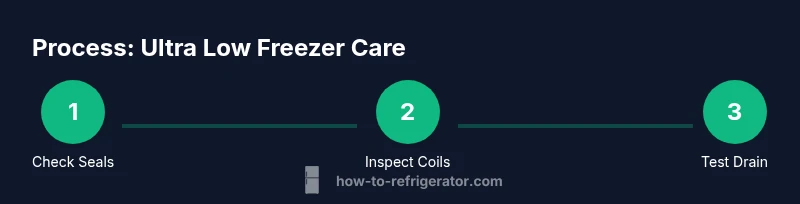
Repairing an ultra low freezer starts with safe checks of seals, airflow, and drainage, then progresses to thermostat verification and defrost drain clearing. Gather basic tools, unplug before inspecting, and follow a clear, step-by-step process to restore cooling. If issues persist, a professional repair service may be required. This quick guide empowers homeowners to DIY safely.
What is an ultra low freezer?
An ultra low freezer is a specialized appliance designed to reach temperatures far below a standard kitchen freezer. In residential settings, the term often refers to units used for long-term preservation of specialty items, high-value foods, or materials that require strict cold storage. These models typically demand tighter temperature control, robust insulation, and careful door alignment to minimize frost intrusion and energy waste. Because of the extreme cold, insulation quality and compressor efficiency become critical for reliable performance. In many homes, an ultra low freezer might sit in a garage, utility room, or a dedicated cold-storage area where space for air circulation and service access matters. Regular maintenance—such as cleaning coils, confirming door seals, and keeping the drain clear—helps prevent frost buildup, temperature drift, and ice formation that can compromise storage quality. The How To Refrigerator team emphasizes safety and practical steps that homeowners can perform to diagnose problems, perform routine maintenance, and decide when professional service is warranted.
Why frost and ice buildup happen in ultra low freezers
Frost and ice accumulation are common when humidity enters the cabinet during frequent door openings, when gaskets leak air, or when the defrost system fails. Frost can insulate the interior and force the compressor to run longer, increasing energy use and risking temperature drift. Poor airflow around the condenser and evaporator coils compounds the problem, leading to icy shelves or frost on food. In ultra low freezers, even small leaks matter because the temperature delta is large and the control system works harder to maintain stability. Regular checks—like ensuring doors seal completely, cleaning condenser coils, and avoiding long, repeated door openings—help minimize frost formation and keep the unit running efficiently. How To Refrigerator analyses show that simple maintenance tasks catch many issues early and reduce the likelihood of costly repairs.
Common symptoms and their meanings
Not all symptoms indicate the same fault. If items are not freezing properly or you notice frost buildup on the interior walls, the issue could be door seals leaking ambient air. Continuous running sounds may signal a faulty thermostat or a stuck relay, while water pooling or ice on the floor can point to a clogged defrost drain or a malfunctioning defrost heater. Frost on shelves and warping can also indicate insulation degradation. Finally, frequent compressor cycling or reduced cooling might mean a refrigerant leak or condenser problem. By noting when symptoms occur (after door openings, during defrost cycles, or after power outages), you can narrow down the root cause and decide whether a DIY fix is appropriate or if professional service is required.
Diagnostic checklist before you touch the appliance
Before any intervention, unplug the unit and move it to a safe workspace if possible. Inspect door seals for cracks or gaps, and test the doors by closing them on a dollar bill or thin piece of paper to verify a snug seal all around. Check for frost on the interior and inspect coils for dust buildup; clean with a soft brush or a vacuum designed for electronics. Confirm the thermostat setting is within the manufacturer’s recommended range and verify that the drain pan is dry and not overflowing. If you hear unusual noises, smell burning polymers, or notice refrigerant signs, stop and call a professional. For persistent issues, consult the manual and the How To Refrigerator online guides to determine the safest next step.
How to clear a defrost drain and check the coils
Defrost drains can clog with slimy condensate, mineral debris, or ice. Start by unplugging the unit, then locate the defrost drain—usually at the back or bottom of the interior. Carefully flush the drain with warm water and a mild solution if permitted by the manufacturer, using a flexible brush or pipe cleaner to remove blockages. Wipe away any residue from the drain pan and ensure air can circulate freely around the coils. For coil access, remove guards or panels only if you have the model’s manual and know the procedure. Gently vacuum or brush dust from the condenser and evaporator surfaces. Do not use metal tools that could damage fins. If frost persists after drain clearing, the defrost heater or control board could be at fault and may require professional diagnosis.
Temperature tuning, seals, and door alignment
Accurate temperature control is essential in ultra low freezers. Use a calibrated thermometer placed inside the main compartment and periodically compare it to the unit’s display. If temperatures drift, adjust the thermostat gradually and recheck after 24 hours. Ensure door gaps are even and hinges aren’t sagging; misalignment can leak cold air and cause frost. Replace worn gaskets only with manufacturer-approved parts to maintain an airtight seal. Small improvements, like avoiding overloading shelves, time-managed defrosting, and blocking direct sun or heat sources, help maintain consistent temperatures and extend the life of the freezer.
Maintenance routines to prevent issues
Create a monthly maintenance routine that includes cleaning coils, verifying door seals, checking the drain and pan, and testing temperature accuracy. Keep the area around the unit well-ventilated with adequate clearance for airflow. Use a soft brush or microfiber cloth for dust removal; avoid abrasive cleaners that could damage plastic components. Document any changes in performance, so you can spot trends and address them before they escalate. By adopting a proactive approach, homeowners can minimize frost buildup, reduce energy usage, and prolong the life of their ultra low freezer.
Safety, electricity, and when to call a pro
Electrical safety is non-negotiable. Always unplug the appliance before any maintenance, and never attempt repairs in a damp environment. If you suspect refrigerant leaks, unusual noises, strong chemical smells, or visible damage to power cords, seek professional service immediately. The container can retain dangerous cold and cause frostbite if you handle exposed surfaces without protective gloves. For persistent or complex issues—such as suspected compressor failure or sealed system problems—trust a trained technician who has the proper tools and credentials to diagnose and repair safely.
Energy efficiency and cost considerations
Ultra low freezers consume substantial electricity, so optimizing usage can yield meaningful savings. Keep doors closed as much as possible, organize items to minimize air exchange, and place the unit away from heat sources. Regular maintenance, including clean coils and sealed doors, improves efficiency and reduces energy costs. If your unit struggles to maintain temperatures during peak loads, this could indicate a failing compressor or refrigerant issue that warrants a professional inspection. Balancing performance with energy use helps protect frozen items and your utility bill.
Tools & Materials
- Phillips screwdriver(For access panels and screws on interior components)
- Flat-head screwdriver or spudger(Helpful for prying panels gently)
- Multimeter (optional)(Check electrical continuity if you’re comfortable)
- Soft brush / microfiber cloth(For dusting coils and fins without damage)
- Vacuum with brush attachment(Remove loose dust from coils safely)
- Warm water and mild soap(Flush defrost drain if permitted)
- Bowl and towels(Catch condensate and keep workspace clean)
- Gloves and safety glasses(Protect hands from cold surfaces and debris)
- Dictionary of model-specific parts (manual)(Refer to the user manual for replacement parts)
Steps
Estimated time: 60-90 minutes
- 1
Power off and unplug
Unplug the ultra low freezer and move it to a safe workspace if possible. This prevents electrical shock and avoids condensate from flowing into sensitive components. Wait for the interior to equilibrate to a safer temperature before handling.
Tip: Keep a towel handy; this helps manage melted frost and prevents water damage. - 2
Inspect doors and seals
Close the door firmly and check the gasket all around for cracks or gaps. A poor seal allows warm room air to enter, causing frost buildup and extra compressor work. If necessary, clean the gasket with a mild soapy solution and replace worn seals with manufacturer-approved parts.
Tip: Test the seal by slipping a dollar bill; if it slides out easily, the seal may be compromised. - 3
Check airflow and coils
Look for dust and debris on the condenser coils and behind any protective panels. Use a soft brush to remove dirt and a vacuum with a brush attachment to improve airflow. Proper airflow reduces the load on the compressor and minimizes frost formation.
Tip: Do not damage delicate fins; gentle brushing is safer than aggressive scraping. - 4
Clear the defrost drain
If you notice water pooling inside, locate the defrost drain, flush it with warm water, and remove any obstructing debris with a flexible implement. Wipe the pan and surrounding area dry. Refill as necessary and ensure the drain path remains clear.
Tip: Always verify manufacturer guidance before using any liquid cleaners around electrical components. - 5
Test temperature control
Place a calibrated thermometer inside the main compartment and compare the reading with the controller. If there is a significant drift, adjust the thermostat gradually and recheck after 24 hours. Document readings to track performance.
Tip: Avoid rapid thermostat changes; small adjustments yield more stable results. - 6
Reassemble and monitor
Secure all panels, reconnect power, and monitor for 24–48 hours. Check that temperatures stabilize and that frost does not reappear. If issues recur, prepare details for a technician visit.
Tip: Take photos of the setup before reassembly to help a pro diagnose faster.
FAQ
What is an ultra low freezer and why is it different from a standard freezer?
An ultra low freezer operates at much colder temperatures than standard home freezers and is used for highly specialized storage. It requires tighter insulation, more precise temperature control, and careful maintenance to avoid frost and energy waste.
An ultra low freezer is a colder, more specialized freezer that needs precise maintenance for safe, reliable operation.
Why is my ultra low freezer not cooling properly?
Possible causes include a leaky door gasket, thermostat drift, a clogged defrost drain, dirty coils, or a failing compressor. Start with door seals and airflow checks before exploring electrical components.
Common causes are door leaks, thermostat issues, clogged drains, or dirty coils. Start with seals and airflow.
Can I defrost the drain myself?
Yes, with caution. Unplug the unit, locate the drain, and flush it with warm water as per manufacturer guidance. Avoid sharp tools and harsh chemicals that could damage components.
You can clear the drain safely by unplugging first and then flushing with warm water following the manual.
How often should I perform maintenance on an ultra low freezer?
Aim for a monthly quick check of seals, coils, and drainage, plus annual or semi-annual professional servicing for optimal performance.
Do a quick monthly check and schedule professional service yearly or biannually.
When is professional service unavoidable?
If you detect refrigerant signs, persistent temperature drift, loud abnormal noises, or separate fault codes, contact a licensed technician promptly.
Call a pro if you hear unusual noises, see refrigerant signs, or have ongoing temperature drift.
Are ultra low freezers energy efficient?
These units can consume significant energy. Maintain seals, clear vents, and avoid frequent door openings to maximize efficiency and protect frozen contents.
They can be energy-hungry, so minimize door openings and keep coils clean.
Watch Video
Top Takeaways
- Unplug before any inspection or disassembly.
- Check door seals and airflow first to prevent frost buildup.
- Clear defrost drains promptly to avoid water damage.
- Calibrate and monitor temperatures with a dependable thermometer.
- Call a professional for persistent issues or refrigerant concerns.