Small Refrigerator and Freezer: DIY Fix Guide for Homes
This guide teaches homeowners how to diagnose, clean, and repair common problems in small refrigerator and freezer units. Get practical, step-by-step instructions for maintaining performance and food safety. Includes safety tips and visuals for a confident DIY approach.


This guide helps homeowners diagnose and fix common problems in small refrigerator and freezer units. You'll learn how to test temperatures, locate frost buildup, inspect door seals, clean coils, fix minor drainage issues, and perform safe DIY repairs. It also explains safety tips and when professional service is necessary. By the end, you'll have practical steps to extend shelf life and keep food safe.
What a small refrigerator and freezer system does
A small refrigerator and freezer pack the essential cooling cycle into a compact footprint—cooling compartments and a separate freezer keep perishable foods safe in tight spaces. At the heart of these units is a thermally controlled environment that relies on a few simple subsystems: an evaporator coil, a condenser, a compressor, a defrost mechanism, and a door seal that keeps cold air inside. According to How To Refrigerator, keeping these subsystems balanced is the key to reliable performance, long appliance life, and steady energy use. This section explains how the typical small unit distributes cooling power across fridge and freezer compartments, how sensors regulate temperatures, and what symptoms show when any part is off-kilter. You’ll learn how proper airflow, door seals, and coil cleanliness contribute to efficiency and food safety, even in compact models designed for apartments, offices, or small kitchens. Understanding these basics helps homeowners troubleshoot with confidence and minimize guesswork when issues arise.
Common issues with small units
Not cooling, frost buildup, temperature fluctuations, leaks, and unusual noises are all signals of trouble in small refrigerators and freezers. Frost or ice buildup in the freezer can block airflow and reduce cooling, while warm spots in the fridge often point to door seal leaks or clogged vents. Leaks around the base may indicate a blocked defrost drain, a failed condensate line, or a pan issue. Noises like buzzing, humming, or rattling can originate from a failing compressor, a dirty condenser, or a loose fan blade. The How To Refrigerator team notes that frost buildup is a frequent culprit in compact units, especially if the door is left ajar or the seals are worn. Regular checks of seals, coils, and vents help prevent the most common failure modes and keep small refrigerators and freezers operating efficiently.
Quick diagnosis checklist
Use this concise checklist to identify problems quickly:
- Verify the fridge and freezer temperatures with a dedicated thermometer.
- Inspect door gaskets for tears, gaps, or stiffness and replace if necessary.
- Check that vents are unobstructed and air can circulate freely.
- Look for frost buildup in the freezer and defrost if needed.
- Inspect the back coils for dust; clean if dirty.
- Listen for unusual noises that might indicate a failing fan or compressor.
- Check the drain pan and condensate line for clogs.
- Ensure the unit is level and has adequate clearance for airflow. If issues persist after these checks, consult the service manual or a professional.
Temperature management for small refrigerators
Maintaining the right temperatures is essential for food safety and energy efficiency. In most small refrigerators, aim for about 3-4°C (37-40°F) in the fridge compartment and around -18°C (0°F) in the freezer. Avoid placing hot foods directly into the unit, and allow items to cool to room temperature before storage. Keep the unit away from heat sources or direct sunlight, which can cause temperature swings and higher energy use. If you notice temperatures creeping upward, consider checking the door seals, clearing vents, and ensuring the door closes firmly. A consistent temperature reduces spoilage and energy waste in small refrigerator and freezer configurations.
Defrosting and moisture control
Frost buildup can reduce efficiency and capacity in the freezer. If frost appears, unplug the unit and remove all food, then allow ice to melt naturally or use the defrost timer if your model supports manual defrost. Use towels to absorb melting water and wipe down interior surfaces when finished. For frost-free models, occasional frost can indicate blocked airflow or a faulty defrost heater—these issues require more thorough inspection. Controlling humidity with properly sealed door gaskets also minimizes moisture, which prevents ice buildup and mold growth inside the freezer.
Cleaning, maintenance, and coil access
Regular cleaning keeps the appliance running efficiently and reduces odors. Start by unplugging the unit, removing shelves, and washing each surface with mild soap and warm water. Vacuum or brush the condenser coils (usually on the back or underneath) to remove dust buildup that makes the compressor work harder. Clean the door seals with a damp cloth and inspect for cracks or stiffness. Reassemble after drying completely. For tight spaces or hard-to-reach areas, use a flexible brush or a bottle brush to reach into corners and tight vents. Keeping coils clean and seals intact is essential for a long-lasting small refrigerator and freezer.
Safety and DIY repair boundaries for compact fridges
Working on electrical components or refrigerant systems requires care. Never hack electrical wiring or bypass safety switches. If you smell refrigerant or hear hissing sounds, stop and unplug the unit; refrigerant leaks require licensed professionals. Use insulated tools and stand on a dry surface to avoid shocks. Only perform repairs within your skill level; for anything beyond basic cleaning, door seal replacement, or coil cleaning, consult the manual or a trained technician.
When to replace or seek service
If the unit frequently fails to maintain safe temperatures, makes persistent unusual noises, or shows signs of refrigerant leaks, replacement may be more economical than repair. New compact models offer improved energy efficiency and better temperature control for small kitchens or apartments. Before deciding, compare repair costs to a new unit's price and consider the unit’s age and warranty status. When in doubt, contact a qualified technician for a diagnosis and an honest replacement recommendation.
Tools & Materials
- Screwdriver set (Phillips and flat-head)(Essentials for opening access panels and back covers)
- Multimeter(For checking electrical continuity and sensing circuits)
- Flashlight(Illumination for dark corners and back panels)
- Microfiber cloths(Cleaning surfaces and gaskets without scratches)
- Mild dish soap and water(Gentle cleaning solution)
- Condenser coil brush or soft brush(Remove dust and debris from coils)
- Vacuum or blower (optional)(Improved dust removal for coils)
- Replacement door gasket (if needed)(New seal for improved airtightness)
- Thermometer or fridge/freezer thermometer(Verify actual temperatures)
- Old towels or absorbent cloths(Catch defrost water and spills)
Steps
Estimated time: 1.5-2 hours
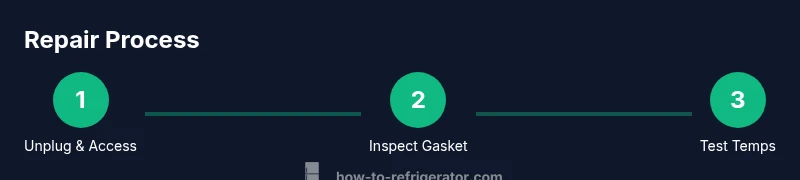
- 1
Unplug and access the interior
Begin by unplugging the unit and moving it away from walls to access the back or bottom panels. Remove screws and carefully lift panels to expose electrical components and the cooling system. This step prevents electric shock and provides a clear view for safety checks.
Tip: Take photos of wiring before disconnecting any cables. - 2
Inspect door gasket and seals
Carefully examine the door gasket for cracks, stiffness, or gaps where cold air could escape. Clean the gasket with mild soap and water, and test the seal by closing the door on a folded dollar bill to see if it stays snug without too much resistance.
Tip: Replace worn gaskets promptly to restore airtight seals. - 3
Clean condenser coils and airflow paths
Dust and debris on coils increases energy use and reduces cooling. Use a coil brush or an old toothbrush to remove dirt from the back or underneath the unit; ensure vents and fans are clear.
Tip: Do this while the unit is unplugged and dry. - 4
Defrost if frost buildup exists
If frost blocks freezer airflow, unplug the unit and allow ice to melt on its own or use the defrost timer if your model supports manual defrost. Wipe away water with towels as the ice melts.
Tip: Do not use sharp objects to remove ice; you can damage coils. - 5
Check thermometer readings and thermostat settings
Place a thermometer in the fridge and freezer compartments to verify actual temps. If readings differ from the settings, adjust the thermostat gradually and recheck after 1-2 hours.
Tip: Avoid frequent, large temperature changes that stress the compressor. - 6
Reassemble, power up, and monitor performance
Secure panels, reconnect any wires, plug in the unit, and return food once it stabilizes. Give the system 2-4 hours to settle and monitor temperatures during this period.
Tip: Keep a log of temperatures to spot recurring issues.
FAQ
What temperature should my small refrigerator and freezer be?
For most small refrigerator and freezer units, keep the fridge around 3-4°C (37-40°F) and the freezer at -18°C (0°F). These targets help prevent bacterial growth and keep food safe while balancing energy use.
Keep the fridge around 37 to 40 degrees and the freezer at about zero Fahrenheit for safety and efficiency.
How often should I defrost a frost-free unit?
Frost-free models are designed to prevent frost buildup, so manual defrost is rarely needed. If you notice frost, check for air leaks at doors and ensure vents are clear.
Most frost-free models don’t require manual defrost, but watch for door leaks and blocked vents.
Why is my freezer not freezing?
Possible causes include a faulty thermostat, refrigerant leaks (which require a pro), dirty condenser, or a blocked defrost drain. Start with thermostat settings and coil cleanliness before seeking service.
If the freezer isn’t freezing, check the thermostat and coils first, then call a pro for refrigerant issues.
Can I fix leaks myself?
Small leaks around the drain pan or condensate line can sometimes be cleared, but refrigerant leaks require licensed technicians. Do not attempt to repair refrigerant lines yourself.
Leaking refrigerant needs a licensed repair tech; you can handle clogs in the drain or lines safely.
Should I repair or replace a failing compact fridge?
If repair costs approach or exceed a new unit’s price, or if the unit is old, replacement is often the wiser choice. Consider energy efficiency and warranty status when deciding.
If repairs are pricey or the unit is old, replacing might be best with a newer, more efficient model.
Watch Video
Top Takeaways
- Test temperatures regularly to prevent food spoilage
- Keep coils and seals clean for efficiency
- Avoid obstructing vents for proper airflow
- Defrost frost buildup promptly to restore performance
- Know when to replace vs repair based on age and cost