Refrigerator Freezer: A Homeowner's Guide to Fixes and Maintenance
Learn how to diagnose and fix common refrigerator freezer issues, perform maintenance, and extend efficiency with practical steps for homeowners.


This quick answer shows you how to diagnose common refrigerator freezer problems, from uneven cooling to frost buildup, and start a safe maintenance routine. You'll learn essential checks, needed tools, and the simple steps you can take before calling a technician.
How a refrigerator freezer works: basics
A modern refrigerator freezer is a closed cooling system that moves heat from the interior to the outside. At its heart is the compressor, which pumps refrigerant through coils, and the evaporator where chilling happens. The condenser coils release heat into the room, and an expansion device controls refrigerant flow to maintain temperature. Temperature sensors and defrost controls help keep ice from forming where it shouldn't.
Understanding these parts helps homeowners diagnose issues quickly. According to How To Refrigerator, understanding these parts helps homeowners diagnose issues quickly. When your refrigerator freezer runs but fails to keep steady temperatures, the most common culprits are airflow blockages, frost in the wrong places, or a degraded door seal. Building a routine around these components sets you up for reliable DIY fixes and safer maintenance.
This overview explains how air moves inside the compartments, why frost forms, and how a healthy cycle supports energy efficiency. You will learn what to check first, how to interpret symptoms, and how to document your findings for future reference. The goal is to empower homeowners to perform safe, basic checks that often resolve everyday issues without professional service.
note":null}
Common problems and quick checks
The refrigerator freezer is a resilient design, but it depends on clean airflow, proper seals, and accurate temperatures. Start with quick checks:
- Uneven cooling or warm shelves: inspect door gaskets for cracks or gaps; clean the seal and confirm it closes fully.
- Frost buildup in the freezer: frost is a signal that airflow is restricted or the defrost system is struggling; check the freezer door seal, and look for warm air leaks from adjacent compartments.
- Water leakage under or around the fridge: ensure the drain tube is clear, the defrost drain is not blocked, and the freezer isn't overfilled.
- Excessive noise or humming: most noises come from the compressor or fans; confirm there are no loose components and that coils are clean.
- Condensation on the outside walls: it may be normal in humid environments, but persistent moisture can indicate a seal issue.
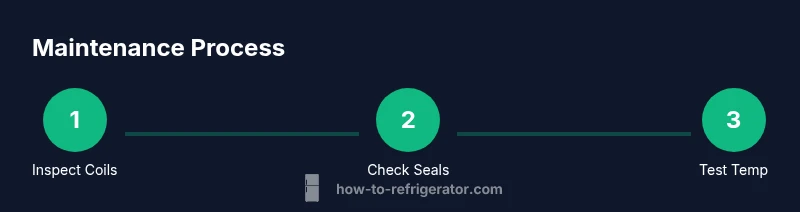
How To Refrigerator analysis shows that regular maintenance reduces energy waste and keeps temperatures stable. Use a simple 3-point check schedule: seal inspection monthly, coil cleaning every 6–12 months, and temperature verification weekly during peak heat. If symptoms persist after these checks, you should consider service options documented in this guide.
note":null}
Maintenance fundamentals for the refrigerator freezer
Regular maintenance is the best defense against temperature instability and unexpected repairs. Start with a simple routine you can perform every few months:
- Keep the unit level and clear of obstructions to promote proper airflow around coils and seals.
- Clean condenser coils with a soft brush or a low-suction vacuum; dirty coils force the compressor to work harder and waste energy.
- Inspect and clean door seals so they latch securely; replace damaged gaskets to prevent warm air from entering.
- Wipe interior surfaces with a mild solution; avoid harsh chemicals that can off-gas near foods.
- Check the interior thermostat and ensure it corresponds to recommended ranges; adjust slowly and test with a thermometer placed in the warmest and coldest sections.
- Manage load distribution: avoid overpacking shelves, allow air to circulate, and store items away from vents.
This maintenance approach helps the refrigerator freezer run efficiently, reduces frost formation, and extends the appliance’s life. The How To Refrigerator team emphasizes documenting readings and changes to track improvements over time and to facilitate future service if needed.
note":null}
Frost buildup and defrosting: practical steps
Frost buildup can impair cooling and waste energy if not handled promptly. Use these practical steps to manage frost effectively:
- If frost appears in the freezer, remove all items and unplug the unit if necessary. Allow frost to melt rather than forcing it off with tools.
- After unplugging, use towels to absorb melt water and clean the interior before reloading.
- For models with manual defrost, follow manufacturer instructions for safe defrost cycles; never use sharp objects to scrape frost.
- Restore power, set temperatures to normal ranges, and wait several hours to recheck frost levels and cooling performance.
- If frost returns quickly, inspect the door seals and check for air leaks around gaskets or from adjacent compartments.
These steps help prevent ice buildup that can block airflow and force the compressor to work harder. How To Refrigerator Analysis, 2026 notes that addressing frost promptly improves efficiency and reduces energy waste. Regular defrosting, when needed, keeps the system balanced and prolongs life. The How To Refrigerator team recommends documenting frost patterns to spot evolving issues early.
note":null}
Troubleshooting guide: not cooling, noisy, leaks
When your refrigerator freezer isn’t performing, follow this systematic guide to isolate the issue:
- Not cooling: verify that both compartments are set to appropriate temperatures and that door seals are intact. Inspect the condenser coils and fan for blockage or malfunction; clean or replace as needed.
- Frosty freezer: check for airflow blockages, door seal integrity, and the defrost system’s operation. Manual defrost may be needed if frost is excessive.
- Leaks or pooling water: inspect the defrost drain tube for clogs and ensure the drain pan isn’t overflowing; verify the water line connections if applicable.
- Loud noises: identify if the noise comes from the compressor, fan, or ice maker. Secure loose components and clear obstructions; if the noise persists, schedule professional inspection.
- Poor overall efficiency: ensure the unit isn’t overstuffed, coils are clean, and door gaskets seal properly. Consider upgrading to an energy-efficient model if performance remains poor.
This troubleshooting approach helps homeowners resolve many common refrigerator freezer problems without immediate service. Remember to consult your unit’s manual for model-specific guidance and safety precautions. The How To Refrigerator team advises recording observations as you test to share with a technician if needed.
note":null}
Safety, energy efficiency, and when to call a pro
Safety should guide every repair or inspection. Always unplug the appliance before accessing internal components, never use heat around electrical parts, and avoid disassembly beyond your comfort level. For energy efficiency, choose proper settings and maintain clean coils and seals.
Consider professional service for refrigerant-related concerns, compressor failures, or persistent cooling issues that do not respond to standard maintenance. Professionals can safely handle refrigerants, diagnose electrical faults, and replace major components when needed. How To Refrigerator analysis emphasizes that timely professional involvement can prevent further damage and reduce total repair costs over time. The How To Refrigerator team recommends referring to manufacturer recommendations for replacement parts and service intervals to preserve warranty and performance.
note":null}
Quick checks you can perform in under 15 minutes
If you’re short on time, try these fast checks to determine whether a deeper fix is needed:
- Confirm door seals close tightly by closing the door on a piece of paper or a dollar bill; if it slides out easily, the seal may be worn.
- Check the interior temperature readings with an independent thermometer to ensure accuracy.
- Inspect coil visibility and clean dust or debris from exterior vents.
- Make sure items are evenly distributed to promote airflow; move items away from vents if cooling seems uneven.
These rapid checks can reveal immediate issues and guide you toward a longer maintenance plan. The How To Refrigerator team’s approach is designed to empower homeowners to act confidently and safely.
Tools & Materials
- Screwdriver set (Phillips #2 and flathead)(Used to remove access panels and tighten components as needed.)
- Soft brush or coil cleaning brush(For cleaning condenser coils without damage.)
- Vacuum cleaner with hose attachment(Remove dust from coils and surrounding area.)
- Microfiber cloths(Wipe surfaces and absorb moisture during defrost steps.)
- Mild cleaning solution (dish soap diluted in water)(Interior cleaning without leaving residues.)
- Towels or a shallow tray(Catch and contain defrost melt water.)
- Thermometer or fridge/freezer thermometer(Track temperatures for accuracy.)
- Gloves(Hand protection during cleaning and maintenance.)
- Defrost drain funnel or small container(Assist with drainage during defrosting.)
Steps
Estimated time: 75-120 minutes
- 1
Power down and safety check
Unplug the refrigerator freezer and verify there is no power flowing to the unit before you begin any inspection. This safeguards you from shocks while handling coils or panels. Use a flashlight if needed to inspect accessible components safely.
Tip: Always unplug first, then wait a few minutes for capacitors to discharge. - 2
Access and inspect coils
Locate the condenser coils (usually at the back or beneath the unit). Use a soft brush or vacuum to remove dust until the surface is clean. Dusty coils impair heat exchange and force the compressor to work harder.
Tip: Do not use metal tools that could nick fins; use gentle strokes. - 3
Check door seals
Close the door on a piece of paper; if the paper slides easily, the gasket may be worn. Clean the seal with a mild solution and inspect for cracks; replace if necessary.
Tip: Press firmly around the entire seal to ensure it closes evenly. - 4
Verify temperature settings
Ensure both compartments have appropriate settings and are not overfilled. If readings look off, adjust gradually and recheck with a thermometer after several hours.
Tip: Small changes, examined over 24 hours, provide the most accurate guidance. - 5
Defrost and drain check
If there is frost buildup, defrost according to manufacturer instructions. If your model has a defrost drain, ensure it is clear and the pan is properly positioned to avoid overflow.
Tip: Keep towels handy to manage meltwater and prevent spills. - 6
Test operation
Plug the unit back in, reload contents, and monitor cooling performance for 24–48 hours. Note any persistent issues for professional review.
Tip: Document temperature numbers and any abnormal noises. - 7
Document and plan next steps
Record symptoms, actions taken, and results. Use this log when consulting a technician or considering replacement options.
Tip: Include model number and serial if you call a repair service.
FAQ
Why is my refrigerator freezer not cooling properly?
Not cooling can result from door seals not sealing, dirty coils, a faulty thermostat, or a blocked defrost drain. Start with sealing checks and coil cleaning, then verify temperatures and listen for compressor operation.
Not cooling can be caused by seals, dirty coils, or a malfunctioning thermostat; start with basic checks before calling a pro.
What should I do about frost buildup in the freezer?
Frost buildup usually means restricted airflow or a faulty defrost cycle. Empty the freezer, defrost if needed, clean seals, and ensure doors close properly.
Frost means airflow is blocked or the defrost system isn’t working well. Defrost and check seals.
How can I tell if the door seals are failing?
Test the seal by closing the door on a thin sheet of paper; if it slides out easily, the seal may be worn. Inspect for cracks and replace if necessary.
A loose door seal lets warm air in—check with a paper test and replace worn gaskets.
Is it safe to use a hair dryer to remove frost?
Avoid using heat sources like a hair dryer on frost inside a freezer; this can damage components and create safety hazards. Use natural defrosting or manufacturer-approved methods.
No—do not use a hair dryer on frost. Use proper defrost steps instead.
How often should I clean the condenser coils?
Clean coils every 6–12 months or when you notice reduced cooling efficiency. A dust-free coil improves heat transfer and lowers energy use.
Clean the coils every several months to keep cooling efficient.
When should I call a professional?
Call a professional if the compressor cycles abnormally, you detect refrigerant leaks, or basic maintenance does not restore proper cooling.
If basic checks don’t fix it, a pro should assess refrigerant or compressor issues.
Watch Video
Top Takeaways
- Check temps and seals regularly
- Clean condenser coils to boost efficiency
- Defrost frost buildup promptly to prevent damage
- Record results to guide future maintenance
- Know when to call a pro for refrigerant or compressor issues