LG Bottom Freezer Refrigerator Repair Guide and Maintenance
A comprehensive, step-by-step guide to diagnose, repair, and maintain LG bottom freezer refrigerators. Learn troubleshooting for not cooling, frost buildup, leaks, and noisy operation with practical, safe steps and recommended maintenance routines.


This How To Refrigerator guide walks you through diagnosing and repairing common issues with an LG bottom freezer refrigerator, including cooling problems, frost buildup, leaks, and noisy operation. You’ll learn to safely inspect the condenser coils, door gaskets, ice maker, defrost drain, and sensors, then perform practical, step-by-step maintenance and fixes to restore performance. That includes safety checks and basic parts testing.
Why LG Bottom Freezer Refrigerators Are Popular
LG bottom freezer refrigerators are a popular choice for modern kitchens due to their ergonomic design, energy efficiency, and flexible storage configurations. The bottom freezer location places the large fresh-food section at eye level, while the freezer remains out of the way, making daily access easier for most users. In addition to spacious shelves and adjustable bins, many LG models feature multi-air flow, humidity-controlled drawers, and humidity-optimized door seals that help preserve produce and reduce frost buildup. For homeowners, this arrangement often translates to lower energy usage and fewer door-open compromises throughout the day. According to How To Refrigerator, the design emphasizes user-friendly maintenance—clean coils and inspect seals regularly to keep performance at peak levels. This guidance aligns with typical user experiences across LG’s lineup, where quality components and thoughtful layout support reliable long-term operation. As you troubleshoot, start with simple checks that don’t require disassembly, and progress to more involved steps only if you feel confident handling electrical components. This approach helps you avoid unnecessary parts replacements and extends the life of your LG bottom freezer refrigerator.
Common Cooling Issues and How They Manifest
Not cooling or uneven cooling is a frequent concern for LG bottom freezer refrigerators, especially after seasonal changes or heavy door use. The most common culprits are dirty condenser coils, worn door seals, improper temperature settings, and a blocked defrost drain. Frost buildup in the freezer can insulate coils, reducing heat transfer and chilling efficiency. You may notice condensation, excessive ice, or a motor that runs continuously. In some cases, a loud compressor or fan noise points to a loose component or obstructed vent. Visual inspection, clean coil access, and basic gasket checks often address a significant share of problems without professional service. How To Refrigerator analyses indicate that improving door seals and cleaning condenser coils typically yields meaningful efficiency gains. Start with these low-effort checks, and if issues persist, move to more targeted troubleshooting focused on defrost systems and sensor performance.
Quick Checks You Can Do Before Calling a Technician
Before you begin any disassembly, unplug the unit and, if present, shut off the water supply to the ice maker. Clear contents from the shelves, then verify the temperature settings—fridge around 37-40°F (3-4°C) and freezer at 0°F (-18°C). Inspect the door gaskets for cracks or tears and perform a simple dollar-bill test to confirm a good seal. Move the unit away from the wall to access the back panel or bottom kickplates and examine the condenser coils for dust and debris; clean carefully with a coil brush or vacuum. Check the defrost drain for clogs and ensure the interior fan is unobstructed. If the ice maker is problematic, inspect the water line for kinks or leaks and replace the water filter if it appears clogged. Finally, plug the unit back in and monitor temperatures for several hours. These quick checks cover the bulk of typical symptoms and reduce unnecessary service calls.
Step-by-Step Troubleshooting and Maintenance
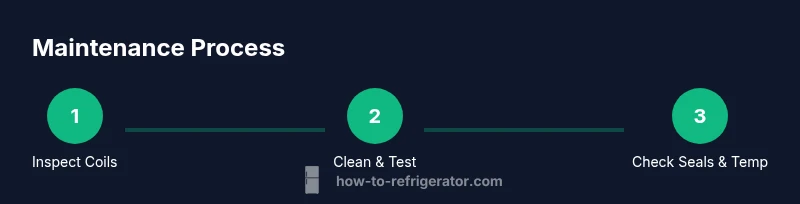
- Unplug and prepare: Power down the appliance and remove items from the shelves; document the current wiring if you anticipate removing panels. Tip: take photos to simplify reassembly. 2) Access condenser coils: Move the unit gently away from the wall and remove the back panel or front kick plate to expose coils. Tip: use a flashlight to spot dust behind louvers. 3) Clean coils: Use a soft brush and vacuum to remove dust; avoid bending delicate fins. Tip: never spray water directly onto live components. 4) Inspect door seals: Examine gaskets for cracks and clean with mild soap. Test seal with a dollar bill; if the bill slides out easily, replace the gasket. Tip: consider cleaning gasket tracks for smooth sealing. 5) Check temperatures: Set fridge to 37-40°F and freezer to 0°F; allow 24 hours to stabilize and recheck. Tip: avoid frequent door openings during testing. 6) Defrost drain maintenance: If frost buildup appears, thaw, and flush the defrost drain with warm water; remove ice carefully from the drain path. Tip: do not use sharp tools that could puncture the tubing. 7) Ice maker and water line: Inspect for kinks, leaks, or leaks at fittings; replace the water filter if overdue. Tip: run water through the line to ensure flow. 8) Final test and reassembly: Reconnect power, push panels back into place, and load fresh foods; monitor temperatures for the next 6-12 hours up to 24 hours for full cooling.
Cleaning and Maintaining Condenser Coils and Seals
Condenser coils collect dust and debris over time, which reduces heat dissipation and forces the compressor to work harder. Regular cleaning once or twice a year helps preserve efficiency. Use a coil brush or vacuum with a soft attachment to remove buildup from the coil fins, being careful not to bend or crush any fins. Door seals should be wiped clean, especially where doors meet the frame, to preserve airtight sealing; replace compromised gaskets promptly. For best results, schedule a quarterly quick check: ensure the door closes firmly, the temps remain stable, and there are no unusual noises.
When to Replace Major Components
If you repeatedly encounter cooling failures despite cleaning coils and replacing gaskets, some components may be failing beyond economical repair. The defrost thermostat, defrost heater, control board, or compressor can cause persistent issues. Replacement decisions should weigh the age of the unit, repair cost, and expected remaining lifespan. In many cases, a failing compressor or sealed system leak is not cost-effective to repair. When in doubt, obtain a professional assessment and compare the repair estimate with the price of a new model featuring modern energy efficiency and better reliability. This approach aligns with practical guidance from How To Refrigerator and broader appliance repair best practices.
Energy Efficiency and Long-Term Maintenance Tips
To maximize energy efficiency for your LG bottom freezer refrigerator, keep coils clean, ensure doors seal properly, and minimize door openings. Adjust temperatures to recommended settings and avoid overpacking the fridge, which obstructs airflow. Schedule routine maintenance every 6-12 months and perform a quick seal test after major door repairs. Consider upgrading to models with advanced insulation and inverter compressors for better long-term energy savings. Remember to tag and track maintenance work to ensure it remains part of a proactive care routine.
Authority sources
- How To Refrigerator Analysis, 2026 (general guidance on refrigerator maintenance and troubleshooting).
- Energy.gov: Refrigerator maintenance and energy efficiency resources.
- NIST and university extension sites offer general appliance care guidelines and safety considerations.
Common Replacement Parts to Consider
- Condenser coil cleaner and cleaning tools.
- Replacement door gaskets for specific LG bottom freezer models.
- Defrost thermostat and defrost heater assemblies when the defrost system is failing.
- Replacement ice maker components and water filter replacements as needed.
Tools & Materials
- Screwdriver set (Phillips and flathead)(Phillips #2 and 3/16 inch flathead common for appliance panels)
- Nut driver / socket set(Assorted sizes (usually 1/4" or 6mm))
- Torx driver set(Only if your LG model uses Torx screws)
- Multimeter (digital)(For testing thermostat, relay, and sensor circuits)
- Voltage tester(Safety check before touching live components)
- Soft cloths and mild detergent(For cleaning gaskets and exterior surfaces)
- Gloves and safety glasses(Protect hands and eyes during maintenance)
- Replacement parts (as needed)(Defrost components, seals, or ice-maker parts depending on diagnosis)
Steps
Estimated time: 60-120 minutes (plus up to 24 hours for full cooling)
- 1
Power down and prep
Unplug the refrigerator and, if applicable, shut off the water supply to the ice maker. Remove items from shelves and drawers, and document the current setup with photos to aid reassembly. Ensure you have safe, clear access to the back or lower panels.
Tip: Label screws and clips to simplify reassembly. - 2
Access condenser coils
Gently pull the unit away from the wall to access the rear or bottom access panel. If your model has a rear grille, remove it to reveal the coils. Do not force panels; use the correct screwdriver to avoid stripping screws.
Tip: Use a flashlight to spot dust between fins. - 3
Clean condenser coils
Use a soft brush to loosen dust and a vacuum with a brush attachment to remove it. Work from top to bottom and avoid bending the delicate fins. After cleaning, re-secure panels and ensure there are no loose wires near the coil area.
Tip: Compressor area should be kept clear of debris. - 4
Test door seals
Inspect all door gaskets for cracks or tears. Wipe away any residue that may affect sealing. Perform a dollar-bill test to check seal integrity; if the bill pulls out easily, replace the gasket.
Tip: A good seal saves energy and prevents frost. - 5
Set temperatures and wait
Reset temperatures to fridge 37-40°F (3-4°C) and freezer 0°F (-18°C). Close doors firmly and avoid frequent opening for the next 24 hours to allow stabilization.
Tip: Use a thermometer to verify actual interior temps. - 6
Check defrost system
Inspect for frost buildup and any signs of a blocked defrost drain. If needed, thaw and flush the drain with warm water. Do not use sharp tools to clear tubing.
Tip: Frozen drains can cause frost and cooling issues. - 7
Inspect ice maker and water line
Check for kinks or leaks in the water line and ensure the filter is current. If water flow is weak, replace the filter and test the line for proper pressure.
Tip: Never run hot water through the line; use cold water only. - 8
Final test and reassembly
Reconnect power, push panels back, and return stored foods. Monitor temps over the next 6-12 hours and verify that cooling improves. If issues persist, consider professional assessment.
Tip: Keep the model number handy when seeking help.
FAQ
What are the most common reasons a LG bottom freezer refrigerator stops cooling?
Not cooling is usually due to dirty condenser coils, worn door seals, incorrect temperature settings, or a blocked defrost drain. Frost buildup can also insulate coils and reduce cooling. A noisy compressor or fan might indicate a loose part or obstruction.
Common cooling problems are usually coil buildup, bad seals, or temperature settings. Check the defrost drain and listen for noisy fans.
How often should I clean the condenser coils on an LG bottom freezer refrigerator?
Aim for cleaning condenser coils every 6-12 months, depending on usage and environment. Always unplug the unit before cleaning and ensure you reassemble panels securely after finishing.
Clean the coils about every 6 to 12 months, and always unplug first.
Can I repair the ice maker myself?
Yes, for simple fixes you can check the water line, clear jams, or replace an easily accessible part like a valve or ice maker assembly. If the issue involves the sealed system or a faulty control board, consider professional service.
You can fix simple ice maker jams, but for complex issues, a pro is best.
Is it safe to use a voltage tester on a fridge?
Yes, but always unplug the appliance first. Use a non-contact tester to check for voltage in accessible parts and follow the manufacturer’s safety guidelines.
Only test for electricity after unplugging the unit and following safety guidelines.
When should I replace a major component like the compressor?
If diagnostics show the compressor is failing and repair costs approach or exceed the cost of a new unit, replacement is usually the better option. Consider age and energy efficiency.
If the compressor is failing and repair costs are high, replace the unit or call for a professional assessment.
Watch Video
Top Takeaways
- Identify the most common LG fridge issues early
- Clean condenser coils regularly for efficiency
- Check door seals to save energy
- Allow time for temperatures to stabilize after maintenance
- Use model-specific parts for reliable repairs