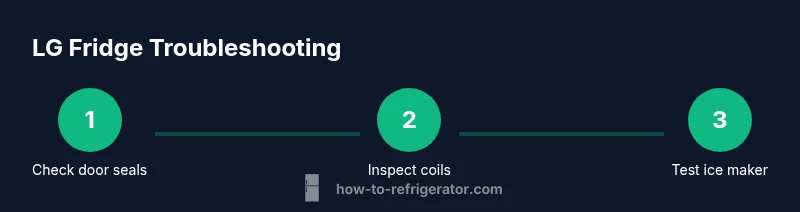
LG Fridge: Troubleshooting, Maintenance, and Safe Repairs
Learn practical, step-by-step guidance to diagnose and fix common LG fridge problems, from not cooling to ice-maker issues. Safe maintenance tips for homeowners, with tools, steps, and expert recommendations from How To Refrigerator.


Goal: diagnose common LG fridge problems, perform safe maintenance, and decide when to call a technician. You'll learn practical checks for not cooling, frost buildup, and ice-maker issues, plus how to reset filters and energy settings to restore optimal performance. Gather basic tools, a flashlight, and a clean workspace, then follow the step-by-step guide.
Understanding the LG Fridge: Design, Features, and Performance
LG fridges blend energy efficiency with advanced cooling technology. Common models use inverter compressors for quieter operation and lower energy use, multi-shelf layouts for flexible storage, and features like smart diagnostics in higher-end units. For homeowners, understanding how these components work helps you diagnose problems before they escalate. According to How To Refrigerator, LG fridges are a popular choice, but owners still encounter frost buildup, inconsistent temperatures, and occasional ice-maker issues. Start by locating your model number and manual, as features vary by model. Clean coils, inspect door seals, and verify airflow around vents to keep temperatures stable. Small changes—like adjusting the temperature by a single degree or cleaning a dusty condenser—can deliver noticeable improvements. In this guide, we’ll use neutral language and practical, actionable steps you can perform safely at home. Remember that electricity and refrigerant systems can be hazardous; never poke at electrical components or use water to rinse internal parts. The goal is to restore consistent cooling, preserve food safety, and extend the life of your LG fridge.
Common Symptoms and What They Usually Mean
- Not cooling or warm compartments often point to airflow blockages, dirty condenser coils, or door-seal leaks.
- Frost buildup can indicate a defrost system issue or frequent door openings that introduce humidity.
- An ice-maker that won’t dispense may signal a clogged supply line, a dirty filter, or misalignment.
- Water leaks typically come from damaged door gaskets, cracked water lines, or loose connections.
- Odd noises can be traced to a failing evaporator fan or a failing compressor.
If you notice any of these patterns, a measured, methodical approach is safer than random tinkering. The following sections outline a practical plan you can follow to verify each potential cause.
Basic Safety and Setup for Home Troubleshooting
Before you begin, unplug the unit, remove perishables to a safe location, and gather a flashlight or headlamp. Keep a bucket, towels, and a trash bag handy for spills. Work in a well‑lit area and avoid leaning into the back panel without proper protection. If your model uses a water line, shut off the supply at the valve to prevent leaks. A stable, clean surface for tools minimizes slips and damage. Finally, consult your LG model manual for any model-specific cautions, as some components are sensitive to static discharge or improper reassembly.
Diagnosing Temperature Fluctuations in LG Fridges
Temperature variability often stems from three broad areas: door seals, airflow and vent obstruction, or cooling components. Start with the door gasket: check for cracks, warping, or debris that prevents a tight seal; clean with warm soapy water and dry thoroughly. Next, verify that nothing is blocking vents inside the fridge or freezer; even a tall container can restrict cold air circulation. For the exterior, ensure the fridge isn’t too close to the wall or subject to sunlight, which makes the compressor work harder. If the condenser coils are dusty, clean them with a coil brush or vacuum; dirty coils force the system to work harder and can raise temperatures. Finally, check the thermostat setting and the evaporator fan (listen for a soft hum when doors are closed). If the fan is silent or sound is inconsistent, there may be a fault in the fan motor or control board.
Ice Maker and Water Dispenser Issues
Ice-maker problems are among the most common complaints. Begin by confirming the water supply line is connected and not kinked; a blocked line reduces ice output. Next, replace the water filter if it’s overdue—old filters restrict flow and affect taste. If the ice-maker tray is misaligned or the ejector arm is stuck, reseat the ice tray according to the manual. Ensure the ice-maker is turned on and that the bin isn’t overflowing. For models with smart diagnostics, run a self-diagnosis to pinpoint error codes. If ice cubes are cloudy, it often means mineral buildup or a slow ice-cycle; perform a light defrost and ensure the freezer maintains a consistent temperature.
Frost, Defrost, and Condensation: Keeping Your LG Fridge Smooth
Frost buildup indicates moisture entering the freezer or a failing defrost cycle. Inspect the defrost drain for clogs; a blocked drain can lead to frost and water pooling. Clean the drain with a flexible brush and clear any ice blockages. If you notice condensation on interior walls, it may point to high humidity, frequent door openings, or a gasket leak. For frost issues, manually defrost the freezer after unplugging the unit, then reassemble with dry components. Consistently keeping doors closed and avoiding propping doors with objects reduces frost formation. A well-sealed door and stable frost-free operation preserve efficiency and prevent ice buildup.
Maintenance Habits to Extend Your LG Fridge's Life
Regular maintenance prevents many common problems. Schedule a quarterly clean of door gaskets and interior seals to prevent leaks. Vacuum or brush condenser coils at least twice a year, especially if the fridge sits in a hot or dusty area. Check the airflow around the vents—blocked airflow causes temperature imbalance. Replace water filters on schedule and verify the water line connections are secure. Keep the interior and external surfaces clean to prevent cross-contamination and to maintain energy efficiency. Finally, track temperatures with an appliance thermometer; aim for 37-40°F (3-4°C) in the fridge and 0°F (-18°C) in the freezer.
When to Call a Technician and Warranty Considerations
If troubleshooting doesn’t restore proper cooling after following the steps above, or if you hear unfamiliar noises, it’s time to seek professional help. ITs important to check if your LG fridge is still under warranty and whether service is covered; many components like the compressor may have longer warranties than standard parts. A licensed technician can diagnose refrigerant leaks, electrical faults, and defrost system failures with specialized tools. Do not attempt refrigerant work yourself. Document observed symptoms, model number, and purchase date to speed up service and protect your warranty.
Upgrades and Replacement Parts: Choosing Genuine vs OEM
When replacing parts, prioritize genuine or OEM-compatible components designed for your LG fridge model. This helps ensure compatibility and reliability. Common replacements include door seals, water filters, defrost sensors, fans, and condenser coils. Compare part numbers, read reviews, and confirm compatibility before buying. If you’re upgrading, consider components that improve energy efficiency or air circulation, but always verify compatibility with your specific model and warranty terms. A cautious, model-aware approach minimizes the risk of counterfeits or improper fittings.
Authoritative Sources and Further Reading
For additional guidance, consult credible external sources that focus on appliance safety, energy efficiency, and manufacturer maintenance guidelines. Helpful references include state energy departments and university extension programs that provide practical maintenance checklists and safety cautions. Always cross-reference model-specific instructions with the LG user manual and official LG support resources to ensure accuracy and safety.
Tools & Materials
- Flathead screwdriver(For access panels or vent covers as needed)
- Phillips screwdriver(General dismantling and screws)
- Multimeter(Check electrical components and fuses if present)
- Soft cloths and mild soap(Clean gaskets, interior surfaces, and coils)
- Vacuum cleaner with brush attachment(Dust condenser coils and vents)
- Coil cleaning brush(Safe dust removal for condenser coils)
- Fridge thermometer(Monitor fridge and freezer temperatures (37-40°F / 3-4°C and 0°F / -18°C))
- Towels or absorbent mats(Contain spills during defrosting or inspection)
- Water filter kit (if applicable)(Replace if overdue or for taste improvement)
- Model-specific user manual(Consult for model-specific cautions and parts)
Steps
Estimated time: 60-75 minutes
- 1
Unplug and Prep
Unplug the fridge and move perishables to a safe location. Empty the crisper and shelves to gain full access to interior components. This reduces the risk of shock and makes inspections easier.
Tip: Have a helper hold items or use a temporary cooling bag to preserve perishables during inspection. - 2
Access the Back and Inspect Coils
Carefully slide the unit away from the wall to expose the rear. If your model allows, remove the back panel screws and inspect the condenser coils for dust or lint. Use a coil brush or vacuum to remove debris; dusty coils reduce cooling efficiency.
Tip: Do not poke at the compressor; it’s a sealed component and can be damaged easily. - 3
Check Door Seals and Airflow
Examine gaskets for cracks or warping. Clean with warm, soapy water and dry completely. Ensure interior vents are unobstructed so cold air can circulate; relocate items if they block pathways.
Tip: Close the door gently and watch for a tight seal across the entire gasket while you tilt the door slightly toward the gasket edge. - 4
Verify Thermostat and Temperature
Use a fridge thermometer to check internal temperatures. Compare with the control setting and adjust by 1-2 degrees if needed. If temperature remains off after a full cycle, it may indicate a thermostat or sensor fault.
Tip: Avoid changing multiple settings at once; small adjustments help identify the root cause. - 5
Check Ice Maker and Water Line
If your ice maker isn’t producing ice, inspect the water supply line for kinks or leaks. Replace the water filter if overdue. Ensure the ice maker is enabled and the bin isn’t overfilled.
Tip: If you hear a hum but no ice, the ice maker motor or gear may be jammed—avoid forcing it. - 6
Defrost and Test Defrost Drain
If frost builds up, perform a safe defrost: unplug, remove shelves, and let ice melt. Clear the defrost drain with a flexible brush or pipe cleaner to prevent future blockages and water pooling.
Tip: Dry surfaces thoroughly before reassembly to prevent moisture migration inside components.
FAQ
Why is my LG fridge not cooling properly?
Not cooling can result from a blocked air vent, dirty condenser coils, a faulty door seal, or a thermostat issue. Start by inspecting gaskets and vents, then clean coils and verify thermostat settings. If temperatures don't normalize after these steps, professional diagnosis may be needed.
Not cooling is usually caused by airflow issues, dirty coils, or a faulty seal. Start with those checks, and if the temp doesn’t stabilize, call a pro.
How do I reset an LG fridge after a fault code?
Most LG fridges reset by unplugging for 5–10 minutes and then plugging back in. If a fault code reappears, consult the user manual for the code and follow LG support guidance. Avoid repeated resets if there is a persistent hardware fault.
To reset, unplug for a short break, then plug in again. If codes persist, check your manual or contact LG support.
Why isn’t the ice maker producing ice?
Ice production can fail due to a clogged water line, a dirty filter, or a misaligned ice maker. Check the water supply, replace overdue filters, and reseat or adjust the ice maker according to the manual. If still not working, a technician may be needed.
Ice maker problems are usually line or filter related; check those first and re-seat the maker.
Is it safe to unplug the LG fridge for troubleshooting?
Yes, for safe troubleshooting you should unplug the unit before opening panels or handling coils. Keep doors closed as much as possible to minimize food spoilage, and only perform tasks you are comfortable with.
Unplugging is safe for basic checks; ensure you don’t leave perishable food out long.
How often should I clean condenser coils on an LG fridge?
Condenser coils should be cleaned every 6 to 12 months, more often if the unit sits in a dusty area or near heat sources. Regular cleaning maintains efficiency and reduces wear on the compressor.
Clean coils about once or twice a year, more in dusty spaces.
What should I do if there’s water pooling inside the fridge?
Water pooling often indicates a defrost drain blockage or drip pan issue. Clear the drain, ensure the pan is properly seated, and verify the door seals aren’t leaking. If pooling persists, a professional check is advised.
Pool of water means a drain or pan issue; clear the drain and verify seals.
Watch Video
Top Takeaways
- Check door seals and airflow regularly
- Clean condenser coils to improve efficiency
- Address ice-maker issues by inspecting line and filter
- Defrost issues require drainage inspection and careful safety
- Consult a technician if the unit is under warranty or problems persist