RV Fridge: Troubleshooting and Maintenance for Mobile Kitchens
Learn to diagnose, troubleshoot, and maintain your RV fridge with step-by-step guidance, safety tips, and practical recommendations from How To Refrigerator.


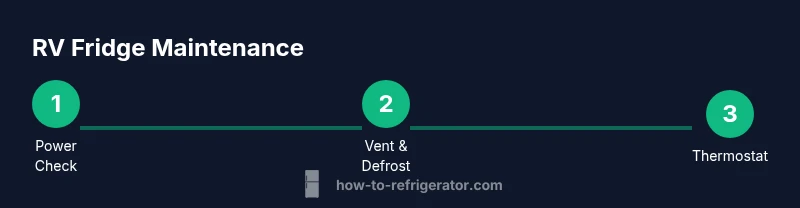
By following these steps, you can diagnose and fix common RV fridge issues, from power supply to door seals, without costly service calls. This guide covers 12V/120V propane options, venting, and defrost considerations to keep your mobile fridge reliably cold on the road. We'll outline tools, steps, and safety tips for homeowners.
What is an RV fridge and why it matters in mobile living
An RV fridge is a compact cooling unit designed to run on 12V DC, AC shore power, or propane in some models. In a mobile lifestyle, dependable refrigeration is essential for safe food storage and comfortable meals on the road. The How To Refrigerator team emphasizes that RV fridges integrate different cooling technologies—absorption in propane models, and compressor-based systems in many 12V/120V units—and require careful attention to ventilation, battery health, and venting. Understanding these differences helps homeowners troubleshoot more effectively and avoid costly, wrong-turn repairs. By understanding power sources and venting, you can proactively maintain cooling performance during travel and camping trips. According to How To Refrigerator, RV fridges are designed to run across multiple power sources and must be vented properly to prevent overheating and gas buildup. A solid maintenance routine translates to fewer roadside surprises on longer journeys.
How RV fridges differ from home refrigerators
RV fridges aren’t simply smaller versions of household units. They must operate reliably on limited power budgets and in varied environmental conditions. Many models use 12V DC when connected to the vehicle’s battery, while others rely on a 120V AC shore power supply when parked. Propane-powered units, common in older or off-grid setups, use a different cooling cycle and require proper ventilation due to gas combustion and heat exhaust. The result is a system that can be more complex to troubleshoot but often more flexible for travelers who live on the road. Visitors to RV parks or remote campsites may notice that temperature swings can occur with switching power sources, so consistent monitoring is essential. In practice, understanding the energy source for your RV fridge helps you tailor maintenance tasks and avoid unnecessary repairs. For many homeowners, acknowledging the difference between absorption (propane) and compressor (electric) units is the first step toward reliable cold storage.
Common issues and quick checks
Not cooling, excessive frost, or strange noises are the top signs something isn’t right with an RV fridge. Start with the basics: confirm the fridge is receiving power from the correct source, check fuses or breakers, and inspect door seals for air leaks. Frost buildup can indicate a defrost path problem, while a warm interior may signal thermostat miscalibration or a failing compressor. Vents clogged with dust or debris reduce airflow and cause overheating. If you observe moisture around the drip tray or condensation on the exterior, you may have a drainage or seal problem. A methodical approach—start with power and seals, then inspect airflow—often resolves many common symptoms without professional help. How To Refrigerator recommends keeping a simple diagnostic checklist in your RV binder so you can track symptoms and correlate them with power sources and travel conditions. Пр
Ventilation and heat management for mobile cooling
Ventilation matters more in compact RV kitchens where space is limited and the fridge sits close to walls or cabinetry. Proper airflow around the exterior vents and behind panels ensures heat is carried away efficiently. Check exterior vent louvers for obstructions like dust, leaves, or bedding brought from camping sites. Indoors, keep the area around the fridge clear of clutter and ensure there’s enough clearance for cooling coils and condensers. Poor ventilation not only reduces cooling efficiency but can also shorten the life of components due to heat stress. If you notice heat radiating from the vent area, pause use, clean the vents, and recheck the location of the unit. A well-ventilated fridge maintains stable temperatures during hot days and in high-usage periods during travel.
Energy efficiency and on-the-go cooling strategies
Energy management is critical when you’re living in an RV. Use energy-efficient settings, avoid frequent door openings, and plan cold storage with pre-chilled items when possible. Insulation quality and proper door seals play a huge role in retaining cold air between stops. For propane models, ensure good ventilation to prevent gas buildup and maintain safe operation. Budget-conscious travelers can rely on a combination of power sources, but should be mindful of battery health and shore power availability. The practical takeaway is simple: optimize power source usage, keep seals in good condition, and minimize warm air exchange by organizing the fridge contents strategically. This reduces compressor cycling and conserves precious energy while camping.
Preventive maintenance schedule for RV fridges
Establishing a routine helps you avoid emergencies in the middle of a trip. A monthly quick check should include a temperature log, vent inspection, and door seal inspection. A seasonal maintenance routine should involve a thorough clean of coils and vents, a defrost check (if applicable), and a look at the gas line and venting for propane models. Keep a spare gasket, a small tool kit, and a basic thermometer so you can verify accuracy and spot drift early. The goal is a predictable, repeatable routine that minimizes downtime on the road. How To Refrigerator’s guidance emphasizes documenting maintenance activities so you can track performance and anticipate potential failures before they happen.
Getting the most out of RV fridges during travel
On the road, the fridge may be subject to movement, vibrations, and varying ambient temperatures. Use wire racks and organizers to keep items stable during travel, which reduces door openings and airflow disruptions. Place frequently used items at the front for quick access and keep a small backup cooler for beverage storage during long drives. If your model supports a diagnostic port or displays error codes, keep the manual handy or download the model-specific guide from the manufacturer’s site. Routine checks and smart packing reduce stress on the cooling system and help prevent food spoilage while you’re away from home. The emphasis should be on practical, travel-ready strategies that minimize energy use and maximize reliability on the road.
Seasonal care and planning for long trips or seasonal sites
If you store your RV for extended periods, prepare the fridge to minimize odors and mold. Clean interior surfaces, leave the door slightly ajar if recommended by the manufacturer, and ensure the interior is dry before storage. For models that rely on propane, ensure the propane system is serviced and the gas line is intact before the next trip. When you resume use, check the seals, test the thermostat, and verify power sources before loading groceries. A proactive, season-by-season maintenance plan can make the difference between a smooth season and recurring fridge trouble. How To Refrigerator’s research shows that homeowners who implement a consistent maintenance cadence experience fewer interruptions and longer component life.
Troubleshooting on the road: quick checks without a full service visit
When you’re away from home, you can perform quick checks that don’t require dismantling the fridge. Confirm power sources, inspect seals for obvious leaks, and perform a quick defrost if there is frost buildup in the freezer compartment. If temperatures drift or you hear unusual noises, consult the model’s troubleshooting guide and consider a temporary relocation of items to another cooler. For persistent problems, a remote diagnostic session or a service call may be necessary. The goal is to maintain food safety while balancing the convenience of travel with the realities of RV electrical systems.
Keeping a maintenance log and planning ahead
A simple log helps you spot trends before they cause problems. Record the date, ambient temperature, power source, fridge temperature, seal condition, and any actions taken. Review the log before each trip and after long drives to identify recurring issues. A well-kept log also makes it easier to communicate with a technician if you decide to seek professional help. Regular documentation reduces uncertainty and gives you confidence in keeping your RV kitchen running smoothly.
Tools & Materials
- Digital multimeter or voltage tester(Used to verify power supply and battery health)
- Screwdrivers (Phillips and flat-head)(For accessing control panels and terminals)
- Soft brush, microfiber cloths, and cleaning solution(For vents, coils, and drip tray surfaces)
- Fridge thermometer(Monitors internal temperatures accurately)
- Isopropyl alcohol wipes(Clean dirty connections safely)
- Replacement door gasket or seal(Have on hand if you detect air leaks)
- User manual or model schematics(Helpful for model-specific checks)
- Leak indicator dye or moisture absorber(Optional for moisture management checks)
Steps
Estimated time: 1-2 hours
- 1
Power down and safety check
Power down the RV fridge by unplugging from shore power or switching off the inverter. If your fridge runs on propane, switch off the gas supply and ensure the area is well-ventilated before opening panels. Remove any loose items and wear gloves to protect your hands from sharp edges.
Tip: Never work on a live electrical system; allow hot components to cool before touching wiring. - 2
Verify power supply and connections
With the fridge unplugged, test the power source using a digital multimeter or voltage tester. Check that 12V battery power is present and stable, and that any fuses or breakers in the circuit are intact. Reconnect power only after confirming readings are within the expected range for your model.
Tip: Document any voltage readings to help identify intermittent power issues during travel. - 3
Inspect doors and seals
Close the fridge, then inspect door gaskets for cracks, tears, or deformation. Clean the seals with a mild solution and ensure they seat evenly against the frame. If you feel air leakage when the door is closed, replace the gasket or adjust the latch.
Tip: A seal with even contact is key to maintaining cold air; test by closing a tissue between door and frame to see if it pulls away. - 4
Clean vents, coils, and drainage path
Remove any panels necessary to access the condenser coils and vent paths. Use a soft brush to dislodge dust and wipe coils with a damp cloth. Check the defrost drain for clogs and clear debris to ensure proper drainage.
Tip: Do not use sharp instruments that could bend fins; gentle brushing is enough to restore airflow. - 5
Check defrost system and frost buildup
If frost accumulation is visible, inspect the defrost cycle or manual defrost path per your model’s instructions. Remove frost cautiously and wipe away moisture. Confirm there is no frost at the evaporator that could block airflow.
Tip: Defrost issues are common on older or cheaper models; routine defrosting keeps efficiency high. - 6
Test temperature control and settings
Set the thermostat to a mid-range position and monitor the internal thermometer for several hours. If temps run warm, recalibrate or replace the thermostat, or consider service if readings remain inconsistent.
Tip: Record temperatures at multiple times of day to gauge stability and avoid overloading during travel. - 7
Reassemble and monitor performance
Reassemble panels and secure all screws. Restore power, and observe the fridge for 24-48 hours to confirm stable temperature with typical use. If issues recur, consult the troubleshooting guide for your model or seek professional service.
Tip: Keep a small log of daily temps and power sources to spot patterns quickly.
FAQ
What kinds of RV fridges exist and how do they differ?
Most RV fridges use either absorption ( propane) or compressor cooling. They can run on 12V DC, 120V AC, or propane, depending on the model. The cooling method affects maintenance steps and safety considerations, so consult your model’s manual for specifics.
RV fridges typically run on 12-volt, 120-volt, or propane power and use either absorption or compressor cooling. Check your model’s manual for exact maintenance steps.
Why isn’t my RV fridge cooling properly?
Common causes include insufficient power, thermostat miscalibration, dirty coils, and frost buildup in the defrost path. Inspect power sources and seals first, then check airflow and temperature controls.
If your RV fridge isn’t cooling, start by checking power, thermostat, and seals, then look for blocked vents or frost buildup.
Is it safe to DIY repair an RV fridge?
DIY repairs are suitable for basic tasks like seal replacement, vent cleaning, and defrost checks. For electrical or propane components, follow safety guidelines and consider professional service if you’re uncertain.
You can handle simple tasks yourself, but don’t tackle electrical or propane system work unless you’re sure you can stay safe.
How often should I defrost an RV fridge?
Follow the manufacturer’s defrost schedule and model guidelines. Some absorption models require periodic manual defrost, while many compressors are frost-free. If you notice frost buildup, perform a controlled defrost and inspect the drainage path.
Check your model’s defrost guidance; defrost when frost is visible or per the schedule, to keep efficiency high.
How do I know if I should replace the door gasket?
If you feel air leakage when the door is closed, or if the gasket is cracked, warped, or torn, replacement is recommended. A fresh gasket improves cooling efficiency and reduces energy use.
If there’s noticeable air leakage or damage on the gasket, replace it to restore proper sealing.
When should I hire a professional for RV fridge issues?
If you encounter refrigerant or propane system problems, persistent cooling failures, or electrical issues beyond basic checks, a professional repair is advised. For many routine issues, home troubleshooting plus model guides suffices.
Consider a pro for electrical, propane, or persistent cooling problems that you can’t safely diagnose yourself.
Watch Video
Top Takeaways
- Inspect power sources before diagnosing fridge issues.
- Keep door seals in good condition to prevent cold air leakage.
- Clean vents and coils to maintain airflow and efficiency.
- Defrost paths must be clear to avoid frost buildup.
- Document maintenance to detect patterns and plan service.