Propane Refrigerator for RV: Essential Troubleshooting Guide
Learn how to troubleshoot and maintain a propane refrigerator for your RV with safe, step-by-step guidance from How To Refrigerator. Covers venting, leaks, level installation, ignition, and off-grid operation.


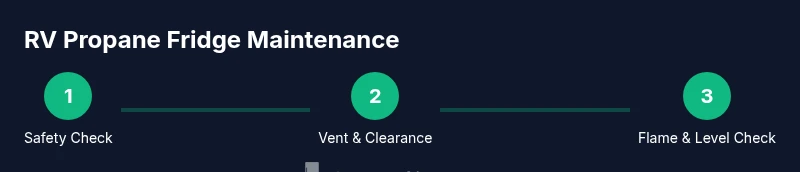
Quick answer: To troubleshoot a propane refrigerator for an RV, start with safety: unplug the fridge and shut off propane supply, check for leaks, and ensure vents are clear. Verify the regulator delivers steady propane and the flame color is steady blue. Confirm the unit is level, set the thermostat correctly, and clean the condenser coils if accessible.
What is a propane refrigerator for RV?
According to How To Refrigerator, propane refrigerators for RVs use absorption technology that can operate on propane or electricity, providing off-grid cooling for trips and camping. These units are designed to run when you’re parked, and they vent heat outdoors. The How To Refrigerator team found that the key advantages are quiet operation, no reliance on generator power, and compatibility with typical RV interiors. However, safe installation, proper venting, and level positioning are essential for reliable cooling and safe gas use.
Safety considerations for propane refrigerators in RVs
Propane refrigerators in RVs require strict attention to gas safety and ventilation. Always ensure good outdoor ventilation when the fridge is running on propane to prevent dangerous buildup of gas or carbon monoxide. Use a gas detector and inspect all connections for leaks before each trip. Keep flammable materials away from the appliance, and never block vents or exhaust paths. If you notice a strong propane odor, shut off the gas supply immediately and ventilate the area. Regular maintenance reduces the risk of fire or gas exposure and helps the unit operate efficiently on propane or electric power.
How a propane absorption fridge works
Propane absorption refrigerators operate using a heat source to drive a cooling cycle that relies on a mixture of ammonia, water, and hydrogen. The propane flame heats a generator, causing ammonia to separate and flow through the system where it cools the interior. When the unit is level and properly vented, this cycle creates cold temperatures inside the refrigerator. When you power the unit with electricity, the heat source switches to an electric element. Understanding this dual-mode operation helps with diagnosing issues and planning off-grid trips.
Symptoms of common issues
If a propane RV fridge isn’t cooling, you may notice a warm interior, frost buildup on the cooling coils, or an unusual hissing or buzzing sound indicating a gas issue. A blue, steady flame is a positive sign of proper propane combustion; a yellow or flickering flame suggests incomplete combustion and potential safety risks. Ice buildup on the evaporator can indicate poor air circulation or door seals that aren’t sealing properly. Regular checks of venting paths and door gaskets prevent many common problems.
Diagnosis and safety-first testing (overview)
A safe, methodical approach to diagnosing a propane fridge includes verifying propane supply and regulator operation, checking ventilation paths, ensuring the unit is level, and testing the ignition and thermostat. If you detect gas leaks, stop and call for professional help rather than attempting a DIY repair. The focus should be on maintaining safe operating conditions while confirming the appliance is properly configured for RV use. Remember that proper venting and level orientation are critical to reliable cooling and safe gas operation.
Maintenance and preventive care
Routine care keeps RV propane refrigerators running reliably. Clean the exterior and vent openings, inspect the door seals for cracks, and keep the condenser and heat exchanger free of dust. Check the propane burner pressure and flame color; a blue flame indicates efficient combustion. Periodically verify the levelness of the unit—an unlevel fridge can impair cooling performance and increase frost buildup. Store and use cleaning supplies away from the fridge to avoid chemical exposure to the cooling system.
When to seek professional help
If you detect persistent leaks, persistent yellow flame, or if the appliance fails to cool after basic checks, contact a qualified propane technician or RV service center. Gas systems require specialized tools and training, and incorrect handling can lead to fire hazards or CO exposure. Keeping a service schedule helps prevent sudden breakdowns during trips and ensures safe operation on propane or shore power.
toolsMaterialsknockout_unused$:null
Tools & Materials
- Soapy water solution(Used to detect leaks around connections and fittings.)
- Non-contact flame tester or blue-flame indicator(Helps verify proper propane combustion visually.)
- Spirit level or carpenter's level(Ensure the fridge is level for correct operation.)
- Phillips and flathead screwdrivers(Access panels and fasteners on most RV fridges.)
- Adjustable wrench or socket set(Tighten regulators and connections safely.)
- Flashlight or headlamp(Illuminates tight crawl spaces and vent areas.)
- Owner’s manual for your RV fridge(Manufacturer-specific guidance and safety notes.)
- Soft brush or compressed air(Clean dust from condenser vents.)
Steps
Estimated time: 60-90 minutes
- 1
Power down and secure the unit
First, unplug the fridge from shoreline power and shut off the propane supply. Open exterior vents and ensure the area is well-ventilated. This prevents any accidental ignition and allows you to observe for gas odors safely.
Tip: Always work in a well-ventilated area; if you smell gas, evacuate and call emergency services. - 2
Check propane supply and regulator
Verify that propane canisters or tanks are not empty and that the regulator delivers a steady flow. A fluctuating flame color or inconsistent burner performance can indicate regulator or line issues.
Tip: If you’re unsure about regulator performance, consult a licensed technician rather than attempting risky DIY fixes. - 3
Inspect vents and clearance
Remove any dust or debris from exterior vents and ensure there is at least several inches of clearance around the unit for airflow. Blocked vents reduce efficiency and could lead to overheating.
Tip: Do not block vents with luggage, towels, or dry goods. - 4
Check the unit level
Place a level on the fridge and adjust leveling feet until the unit is truly level. An unlevel fridge can impair absorption cooling and cause frost buildup.
Tip: Small adjustments can make a big difference in performance. - 5
Test flame quality and ignition
Observe that the propane flame is steady and blue. If you see a yellow or irregular flame, turn off the gas and have a technician inspect the burner and combustion chamber.
Tip: Never ignore an inconsistent flame; it signals incomplete combustion and possible safety risk. - 6
Evaluate thermostat and cooling
Set the thermostat to a mid-range temperature and monitor cooling over 15–30 minutes. If the interior remains warm, check door seals and air circulation.
Tip: A stubborn warm interior often points to door seal or airflow issues rather than the compressor (absorption fridge has no compressor). - 7
Condenser cleaning and wrap-up
Brush dust from the condenser fins and recheck seals and vent paths. Document any patterns you notice, like frost during certain outside temperatures, to guide future maintenance.
Tip: Regular cleaning extends the life of the fridge and improves efficiency.
FAQ
Can a propane refrigerator run while the RV is in motion?
Propane refrigerators are designed to operate while the RV is stationary for safety and venting reasons. Some models can run on propane during transit, but many RVs require the vehicle to be parked due to venting and stabilizers. Always follow the manufacturer’s guidelines.
Most RV propane fridges are intended to run when parked. Always check your model’s manual before relying on propane while driving.
What does a blue flame indicate on propane RV fridge?
A steady blue flame indicates complete and efficient combustion. A yellow or flickering flame can signal incomplete combustion or a gas supply issue, which can produce dangerous CO and reduce cooling efficiency.
Blue flame means safe, efficient burning. A yellow flame means you should shut off propane and inspect the line or call a technician.
How often should I service the propane system on an RV fridge?
Regular safety checks before trips, annual professional inspections, and prompt attention to any signs of leaks or uneven cooling help prevent failures. Refer to the manual for model-specific recommendations.
Check the propane system every trip and have an annual professional inspection if you rely on propane as a primary heat source.
Is it safe to use a propane fridge while I sleep in the RV?
Yes, propane refrigerators are designed for RVs and can operate while sleeping, provided there is adequate ventilation and a functioning CO detector. Ensure vents are unobstructed and follow all safety guidelines.
If your RV has proper vents and a CO detector, it's generally safe to run the fridge at night.
What should I do if the fridge isn’t cooling on propane but cools on electricity?
This may indicate a failing propane burner, regulator issue, or gas supply problem. Switch to electric mode if available and consult the manual or a technician to diagnose propane-specific components.
If it only works on electricity, the propane burner or gas supply may be the culprit.
Watch Video
Top Takeaways
- Verify safety: unplug and disconnect fuel before inspection.
- Ensure the unit is level for proper absorption cooling.
- Inspect vents and door seals regularly to prevent leaks.
- Clean condenser fins to maintain efficient cooling.
- Document maintenance to improve off-grid reliability.