How to Replace a Refrigerator Water Inlet Valve: A DIY Guide
Learn how to diagnose and replace a refrigerator water inlet valve with a safe, step-by-step DIY guide. Expert tips, safety notes, and maintenance to prevent leaks from How To Refrigerator.


Goal: determine if your refrigerator water inlet valve is causing water issues and fix it if needed. Start by unplugging the appliance, shutting off the water supply, and locating the valve at the back of the unit. Use a multimeter to test the solenoids, inspect for cracks or corrosion, and replace the valve if readings are outside spec or leaks are evident.
What is a refrigerator water inlet valve and how it works
The refrigerator water inlet valve is a small electrically controlled valve that opens to let water flow from your home's supply line into the ice maker or water dispenser. When the control board signals the valve, a solenoid lifts a plunger, allowing water to travel through to the fill tube. The valve typically has two water lines connected to it: one inlet from the house supply and one outlet to the fridge's internal tubing. A coil draws power (often 120V, depending on the model) to operate; in practice, it is controlled by the refrigerator’s main control board. Over time, the valve can wear out, accumulate mineral deposits, or freeze if exposed to cold conditions, which leads to leaks, weak fills, or no water at all. Being behind the fridge, you may need to pull the unit out slightly to access it safely, and never mix up the inlet with the outlet when reconnecting. This section sets the foundation for diagnosing and fixing issues with confidence.
In most homes, the valve sits near the rear wall or behind the grille. It is a relatively simple device, but it includes both an electrical and a water plumbing connection. If you notice constant running water or two streams from the dispenser, start here before replacing other components. Understanding how the valve integrates with the ice maker and water dispenser helps you locate the part quickly and reduces the guesswork during repair.
Common symptoms that point to a faulty valve
If the valve is failing, you may see several telltale signs. Common symptoms include: a lack of water to the ice maker or dispenser, inconsistent or slow water fill, continuous dripping or leaking from the valve area, frost or moisture around the back panel, and unusual sounds like a buzzing or clicking when the unit tries to fill. Leaks at the valve can also originate from loose connections or damaged seals, so it’s important to inspect both the valve body and the fittings. In many cases, these symptoms indicate valve problems rather than issues with the ice maker or water line alone. Quick checks can help you decide whether to pursue a valve replacement or explore other components first. If several symptoms appear together, the valve is a strong suspect and should be tested more thoroughly.
Remember: intermittent issues might be caused by line freeze, insufficient water pressure, or a clogged filter in the water line, so rule out these factors as you assess the valve’s role in the problem.
Safety first: unplug, power down and water shutoff
Before touching any electrical or plumbing components, power down the refrigerator and the water supply. Unplug the unit from the wall outlet and shut off the main water valve that feeds the appliance. If you’re unsure where the shutoff is, locate the small valve on the water line connected to the back of the fridge and turn it clockwise to close. Place a towel or small basin under the work area to catch any residual water. Wear safety gloves to protect your hands from sharp edges when moving the fridge or handling fittings. If you must pull the refrigerator away from the wall, have a helper and a floor protection plan to prevent damage. Never work on live electrical components, and avoid using metal tools that could short circuits near the control board. These precautions protect you and the appliance while you perform diagnostics or replacement.
This step is essential to prevent shock and water damage and should be done consistently whenever you service the valve or related plumbing.
Diagnosing without disassembly: quick checks you can do
Start with non-invasive checks to narrow down the cause before removing parts. Verify the home water supply is active and that the shutoff valve at the fridge is fully open. Inspect the exterior water line for kinks or kinks and for signs of wear or frost, which can indicate low pressure or freezing. Listen for the valve’s solenoid click when the fridge attempts to fill—no click may indicate an electrical issue rather than a mechanical failure. If your model allows, test the water line pressure by observing the fill rate at the dispenser; a weak or intermittent fill often points to valve problems or line restrictions. Remove the rear access panel only if you feel confident, and document the valve’s orientation and line routing with photos. If the checks above are normal, you may still have a valve problem that requires replacement, but you’ll have ruled out other common causes.
Tools and replacement parts you’ll need
To replace a refrigerator water inlet valve, you’ll need a handful of common household tools and a compatible replacement part. Essentials include a multimeter to verify coil continuity, an adjustable wrench or nut driver to loosen fittings, needle-nose pliers for line clamps, and a Phillips screwdriver for bracket screws. Have towels or a small bucket ready to catch drips, a flashlight for visibility, and a label to mark water-line connections. For the valve, purchase a model-compatible valve with the same inlet/outlet sizes and fitment orientation as your unit. Some installations require Teflon tape or pipe thread sealant for leak-free joints, while others rely on compression fittings. If you’re unsure about compatibility, consult your refrigerator’s model number and the valve’s specifications before purchasing. Keeping the workspace dry and organized helps prevent cross-threading and damages and makes the replacement smoother.
Note: Always confirm that the replacement valve matches your exact appliance model and water-line diameter. Using an incorrect valve can cause leaks, poor fills, or compatibility issues with the ice maker.
Step-by-step replacement process (Part 1): Remove the old valve
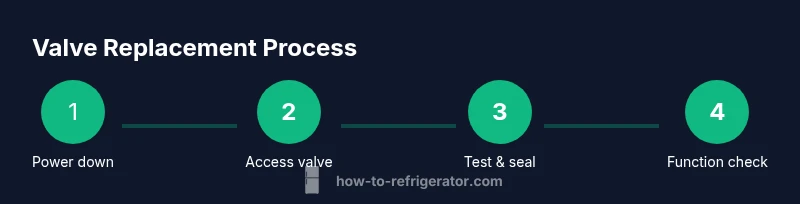
- Unplug the refrigerator and shut off the water supply. 2) Move the fridge away from the wall to access the rear panel safely. 3) Remove the rear access panel to expose the valve. 4) Take a clear photo of the valve layout and label each line. 5) Use an adjustable wrench to loosen the compression fittings on the valve and disconnect the water lines carefully. 6) Remove mounting screws and detach the valve from its bracket. 7) Inspect nearby hoses for cracks or corrosion while you’re at it, and wipe away any mineral buildup. Why: this step isolates the faulty component and prevents water from flowing while you work. 8) Place towels to catch any residual water and set the removed valve aside for comparison with the new unit.
Pro tip: Do not force fittings; if resistance is high, apply a little penetrating oil and wait a couple of minutes. Wipe any drips immediately to prevent corrosion.
Step-by-step replacement process (Part 2): Install the new valve
- Compare the new valve with the old one to ensure matching inlet/outlet sizes and mounting holes. 2) Position the valve in its bracket and secure with screws. 3) Reconnect the water lines to the valve in the same orientation as marked earlier, using an adjustable wrench to snug fittings without overtightening. 4) If your valve requires thread sealant or Teflon tape, apply it carefully to threaded connections before tightening. 5) Reinstall any brackets or covers you removed earlier. 6) Prepare the area for testing by clearing drips and ensuring the fit is snug and dry. 7) Before powering the unit, inspect for any kinks in the water line that could affect water flow. 8) Turn the water supply back on slowly and check for signs of leakage around the fittings. Why: proper alignment and tight, leak-free connections prevent future drips.
Step-by-step replacement process (Part 3): Reconnect lines and test
- Reattach the valve to the fridge’s rear panel and secure all screws. 2) Restore power by plugging the fridge back in. 3) Turn the water supply back on fully and watch for leaks at all joints. 4) Run the ice maker through a couple of cycles to verify that water is filling correctly and that there are no leaks. 5) If you notice any leaks, tighten connections slightly and re-test. 6) Once the valve functions correctly, wipe down the area and replace the rear panel. 7) Keep the original photos as a repair reference for future service. Why: a controlled test ensures the valve operates normally under real-use conditions and confirms seal integrity.
Common pitfalls and quick fixes
Common mistakes include over-tightening fittings, which can strip threads or crack fittings, and mixing up the valve’s inlet and outlet lines. Using the wrong valve can cause mismatched threads or flow rates. Avoid leaving tools in the line area where vibration could loosen them. If you encounter mineral buildup, consider flushing the line after installation to clear any debris. If you see continuous dripping after a test, re-check the O-rings and seals, and ensure the valve is fully seated in its bracket. A small amount of mineral buildup is common; regular maintenance helps keep the valve functioning smoothly.
When to call a professional vs DIY
DIY valve replacement is feasible for most homeowners with basic plumbing and electrical comfort. If you cannot safely disconnect water lines, are uncomfortable working near live electrical components, or your model requires disassembly beyond a simple rear panel, consider hiring a professional. Situations that warrant a pro include frequent leaks after replacement, or if you suspect the ice-maker assembly or control board itself is defective. For most households, replacing the inlet valve is a straightforward task that improves reliability and reduces water-related issues when performed carefully and with the correct parts.
Maintenance tips to prevent future valve issues
Regular maintenance can extend valve life and reduce leaks. Inspect the valve area during routine fridge service for signs of moisture or corrosion. Replace the valve only with a model-compatible part, and consider flushing the water line if you notice sediment or reduced flow. Keep the rear panel clean and free of dust or moisture that can cause electrical contacts to corrode. If you use a water filter, replace it on schedule to maintain water pressure and prevent debris from entering the valve. Finally, protect the valve from frost by ensuring the refrigerator is in a stable environment and not in a drafty, unheated space during winter.
How to choose a replacement valve (valve specs and compatibility)
Selecting the right replacement valve depends on matching the model, inlet/outlet sizes, and coil voltage. Check the refrigerator’s model number and the valve’s specifications for compatibility. Confirm whether your valve is a dual-line or single-line unit and ensure the correct connection type (compression vs. push-fit). Look for a valve with robust seals and corrosion-resistant materials to withstand mineral-laden water. If you’re uncertain, contact the manufacturer or consult an appliance parts retailer with your model number. A properly chosen valve reduces leaks and improves long-term reliability.
Tools & Materials
- Multimeter(Used to verify coil continuity)
- Adjustable wrench(Loosen fittings and bracket nuts)
- Needle-nose pliers(Disconnect clamps gently)
- Screwdrivers (Phillips and flat)(Remove bracket screws)
- Bucket or towels(Catch drips and keep area dry)
- Flashlight(Improve visibility behind appliance)
- New refrigerator water inlet valve (model-compatible)(Exact fit for your unit)
- Teflon tape or thread sealant (optional)(Only if required by fittings)
- Gloves (optional)(Protect hands from sharp edges)
Steps
Estimated time: 60-120 minutes
- 1
Power down and prep area
Unplug the fridge, shut off the home water supply, and move the unit away from the wall to access the rear panel. Drape towels to catch any residual water and ensure the workspace is well lit. This reduces the risk of electric shock and water damage while you work.
Tip: Take a photo of the valve layout before disconnecting lines to aid reassembly. - 2
Access valve and disconnect lines
Remove the rear access panel and identify the inlet valve. Use the adjustable wrench to loosen compression fittings and carefully detach the inlet and outlet lines. Do not twist or yank hoses; support lines to avoid damaging fittings.
Tip: Label each line with tape so you reconnect them correctly. - 3
Remove the old valve
Unscrew the valve mounting screws and lift the valve clear of the bracket. Inspect nearby hoses for cracks or mineral buildup and wipe surfaces clean. Compare the old valve to the replacement to confirm compatibility.
Tip: Keep a small tray for screws to prevent losing them. - 4
Install the new valve
Position the replacement valve in the bracket and secure with screws. Reattach water lines to the valve, ensuring correct orientation. If instructed, apply Teflon tape to threaded connections and snug fittings without over-tightening.
Tip: Hand-tighten first, then give a final gentle turn with the wrench. - 5
Reconnect and test
Reinstall any panels, restore power, and slowly turn the water supply back on. Check all joints for leaks. Run the ice maker for several cycles to verify proper water flow and confirm there are no drips.
Tip: Watch for the first few cycles; if a leak appears, tighten connections slightly. - 6
Final checks and clean-up
Wipe down the area, re-seat the rear panel, and push the fridge back into place. Keep the area dry for 24 hours and monitor for any signs of moisture. If everything works, you’ve completed a safe valve replacement.
Tip: Keep the old part in case you need to reference it later.
FAQ
What is a refrigerator water inlet valve and what does it do?
The water inlet valve regulates water flow to the ice maker and dispenser. It is controlled by the refrigerator’s control board and typically operates with a solenoid that opens when signaled. If the valve sticks or fails, water supply issues arise.
The water inlet valve controls water to ice maker and dispenser and can fail, causing leaks or no water.
Can a faulty valve cause a leak?
Yes. A worn or cracked valve body or loose connections can leak water into the back of the fridge or onto the floor. Inspect seals, fittings, and the valve body for moisture.
A bad valve can leak, so check the valve and connections for moisture.
How do I know if the valve is the problem vs the ice maker?
If there is no water flow, the valve or its wiring is suspect. If water flows slowly or intermittently, inspect lines and ice-maker components too. Use diagnostics per your model’s manual.
If water flow is inconsistent, the valve or lines may be the issue; diagnose with model guidance.
Is it safe to replace the valve yourself?
It can be safe for those comfortable with basic plumbing and electrical work. Always disconnect power and water, and follow manufacturer guidance to avoid damage.
Yes, if you’re comfortable with basic plumbing and electricity, but take safety precautions.
What tools do I need for replacement?
You’ll typically need a multimeter, adjustable wrench, screwdrivers, pliers, towels or a bucket, and a compatible replacement valve.
Common tools include a multimeter and wrenches plus a correct replacement valve.
How long does valve replacement take?
Most DIY replacements take about an hour or two, depending on access and model, plus time for testing for leaks.
Most replacements take under a couple of hours with careful steps.
Watch Video
Top Takeaways
- Identify symptoms before replacing parts
- Shut off power and water for safety
- Match valve compatibility carefully
- Test thoroughly after installation
- Maintain valve to prevent future leaks