Jenn Air Refrigerator: Repair & Troubleshooting Guide
Learn how to diagnose and fix common Jenn Air refrigerator issues with actionable steps, safety tips, and maintenance routines from How To Refrigerator. This guide helps homeowners restore cooling efficiently and safely.


You will diagnose common cooling problems on a Jenn Air refrigerator and perform safe, steps-based fixes. The guide covers not cooling, defrost issues, door seals, and coil maintenance. Gather basic tools, unplug safely, and follow the step-by-step instructions to restore performance. It also highlights safety tips and a clear DIY-versus-professional path.
Understanding Jenn-Air Refrigerators: Design and Common Issues
According to How To Refrigerator, Jenn-Air refrigerators are known for sophisticated cooling systems and precise electronic controls. Most not-cooling symptoms arise from simple culprits: dirty condenser coils, obstructed airflow, faulty door seals, or a defrost cycle stuck in the ON position. By understanding how the system is supposed to work, you can identify the most probable fault quickly and avoid unnecessary disassembly. This section lays a foundation for safe, effective diagnostics and explains how common components interact to keep food at the right temperature. Expect that your model will share core parts with other premium brands, which means fixes can translate into a broader DIY skill set.
Preliminary Safety Checks Before You Open the Compartment
Safety is the first step in any fridge repair. Before touching any electrical components, unplug the unit and move perishables to a cooler. Wear gloves to protect your hands and keep a flashlight handy for dark corners. If your unit is oddly warm to the touch, stop and wait for it to cool; this reduces the risk of electrical shock or frostbite during frost-related checks. Keep the user manual nearby for model-specific notes. How To Refrigerator emphasizes that safe, deliberate actions reduce the chance of accidental damage and preserve warranty validity when applicable.
Not Cooling? Start with the Basics: Temperature, Vents, and Door Seals
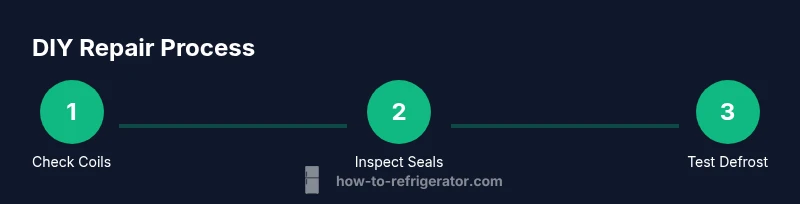
The first line of defense is correct temperature settings and unblocked airflow. Verify the thermostat is set to a typical range and that the internal fans have a clear path to circulate air. Inspect gaskets around each door for cracks, tears, or compression that prevents a proper seal; clean with warm water and mild detergent to restore tightness. Avoid overfilling the shelves, which can impede circulation. A simple seal test involves closing the door on a dollar bill; if you can pull the bill out easily, the seal may be weak and in need of replacement.
Inspecting the Condenser Coils and Evaporator Fan
Dusty condenser coils can force the compressor to work harder and reduce cooling efficiency. Access the coils (often behind a grille at the bottom or rear of the unit) and gently vacuum or brush away debris. Check the evaporator fan in the freezer if you hear unusual noises or if airflow seems weak. A seized or obstructed fan can prevent cold air from reaching the fresh food compartment. If coils are visibly dirty, clean them with a soft brush and a gentle vacuum; avoid bending fins. Regular coil maintenance is a proven way to extend your fridge’s life and performance.
Defrost System and Defrost Drain: When Frost Blocks Airflow
A malfunctioning defrost system can cause frost buildup that blocks air passages and lowers cooling efficiency. Listen for frost-free cycles and inspect the defrost drain for clogs; a blocked drain can lead to water in the fridge or frost on coils. If you detect frost growth along the back wall or evaporator coil, you may have a defrost timer or heater issue. Defrost problems are a common offender in Jenn Air units and can often be resolved with a timer check and heater test, but complex failures may require professional service.
Electrical Controls, Thermostat, and Relays: Are They Working Right?
Electronic controls govern temperature and fan speed. Check for error codes on the display and verify the ambient room temperature is within the recommended range. A loose wire, a faulty relay, or a malfunctioning control board can lead to intermittent cooling or warm compartments. If you’re comfortable with safety testing, a multimeter can help verify continuity on simple components; otherwise, schedule a service call. The goal is to rule out simple electrical faults before moving to more invasive repairs.
Maintenance Habits to Prevent Future Issues
Daily habits reduce the odds of future cooling problems. Clean coils every six to twelve months, test door seals during seasonal changes, and verify that vents are never blocked by food or containers. Use a thermometer inside the fridge to confirm consistent temperatures. Replace worn door seals promptly and keep the condenser coils free of dust and pet hair. Building these habits keeps Jenn Air refrigerators running efficiently and minimizes surprise breakdowns.
When to Call a Pro and What to Expect
Not every cooling issue is a DIY fix. If the compressor runs constantly, you hear grinding or buzzing, or you see oil traces at the bottom, contact a qualified technician. Refrigerant handling and sealed-system repairs require specialized tools and certifications. When you call, provide model details, a short description of symptoms, and any error codes. A professional visit should include a diagnostic check, possible part replacement, and a test run to confirm proper operation before finalizing the service.
Tools & Materials
- Flathead screwdriver(For grille or panel access)
- Phillips head screwdriver(General disassembly and component checks)
- Vacuum with brush attachment(Clean condenser coils and vents)
- Coil cleaning brush or old toothbrush(Loosen dust between fins)
- Soft cloths(Wipe and polish surfaces)
- Bucket and mild detergent(Clean removable shelves and gaskets)
- Gloves(Protect hands during cleaning)
- Digital multimeter(Only if testing electrical components)
- Owner's manual(Model-specific steps and specs)
Steps
Estimated time: 60-90 minutes
- 1
Unplug and prepare the area
Unplug the refrigerator to eliminate any shock risk. Clear the vicinity of food and liquids, and have towels ready in case of spills. This step ensures a safe workspace for all following actions.
Tip: Take photos of panel layouts before removing any parts to aid reassembly. - 2
Access the condenser coils
Move the fridge away from the wall if possible and remove the lower grille or back panel to expose the condenser coils. Do not force panels; use the screwdriver to remove fasteners gently.
Tip: Note the orientation of the grille and any screws for easy reattachment. - 3
Clean the condenser coils
Vacuum and brush away dust and pet hair from the coils. If dust is stubborn, use a damp cloth after vacuuming to finish the surface; ensure coils are dry before reassembly.
Tip: Clean coils are the simplest, most effective way to restore efficiency. - 4
Check the door seals
Closely inspect door gaskets for cracks or warping. Clean with warm soapy water and a microfiber cloth; test with a dollar bill by closing the door and pulling slightly to ensure a tight seal.
Tip: Replace worn seals promptly to prevent energy waste. - 5
Test air flow and vents
Ensure internal vents are unobstructed and airflow reaches both compartments. Move items away from vents and avoid stacking near openings.
Tip: Proper airflow prevents uneven cooling and frost buildup. - 6
Inspect the evaporator fan
Listen for the evaporator fan in the freezer. If it’s noisy or doesn’t run, this could indicate a faulty motor or obstruction.
Tip: A clogged evaporator can mimic other cooling problems, so verify fan operation first. - 7
Check the defrost system
Look for frost buildup or a defrost drain clog. If frost is present, the defrost timer or heater may be marginal; do not attempt refrigerant work unless you’re trained.
Tip: Defrost issues often show up as frost on coils and water pooling. - 8
Verify thermostat settings
Ensure the thermostat is set correctly and matches the appliance’s recommended range. Temperature swings can stem from a misadjusted control or a failing sensor.
Tip: Small changes in setting can restore proper cooling without parts replacement. - 9
Decide on next steps
If not cooling persists after these checks, schedule service with a qualified technician. Provide model details and symptoms to speed diagnosis.
Tip: Document any codes or unusual noises to help the technician.
FAQ
Why is my Jenn Air refrigerator not cooling?
Not cooling can result from dirty condenser coils, blocked vents, faulty door seals, or a defrost system issue. Start with basic checks and then progress to more involved diagnostics.
Common causes include dirty coils, blocked air passages, or a faulty defrost cycle. Start with the basics and move step by step.
How often should I clean the condenser coils?
Clean coils every six to twelve months or more often in dusty environments. Regular cleaning helps the compressor run efficiently and prevents frost buildup.
Clean the condenser coils at least once a year, more often where dust is heavy.
Can a faulty defrost timer cause not cooling?
Yes, a defective defrost timer can stop the defrost cycle, causing frost buildup that blocks airflow and reduces cooling performance.
A bad defrost timer can stop defrosting, leading to frost and poor cooling.
Is it safe to fix refrigerant leaks myself?
No. Refrigerant handling requires certification and specialized equipment. If you suspect a leak, contact a licensed technician immediately.
Do not attempt to fix refrigerant leaks yourself; call a professional.
When should I replace door gaskets?
Replace gaskets if you notice cracks, tears, or a loose seal. A tight seal improves efficiency and prevents warm air from entering.
Replace worn door seals to restore efficiency and cooling.
What maintenance saves the most energy?
Keeping coils clean, ensuring clean seals, and proper airflow deliver the biggest energy savings by reducing compressor work.
Regular coil cleaning and seal checks save the most energy.
Watch Video
Top Takeaways
- Identify the most probable causes first (coils, seals, airflow).
- Maintain cleanliness of coils to improve efficiency.
- Test safety steps before tackling mechanical components.
- Know when to switch from DIY to professional service.
- Document symptoms to streamline future fixes.