How to Set Refrigerator Temperature: A Step-by-Step Guide
Learn how to set your refrigerator temperature safely and precisely with expert, step-by-step guidance, recommended ranges, and practical tips for energy efficiency and food safety.


Understanding Temperature Ranges
Understanding how temperature works inside a refrigerator helps you set it correctly and keep food safe. The fridge section should be cool enough to slow bacterial growth without freezing liquids or produce. The freezer must stay cold enough to prevent ice crystals from forming and to preserve frozen items. Temperature accuracy matters: small changes can impact energy use, food safety, and appliance wear. According to How To Refrigerator, aiming for practical, stable targets reduces fluctuation caused by door openings or busy households. Start with a conservative baseline and adjust gradually, then verify with a thermometer. Use a thermometer placed in the center of the fridge, away from the door, to get a reliable reading. If your model uses a digital display, note the actual air temperature in the cavity rather than relying only on the external readout. Keeping the temperature stable is more important than chasing a perfect number, especially during holidays or when the fridge is heavily loaded.
Recommended Settings for Different Fridge Types
Most standard refrigerators perform best when the fresh foods compartment sits around 3–4°C (37–40°F) and the freezer around -18°C (0°F). Some newer no-frost or energy-efficient models tolerate slightly different ranges, so check the user manual if you have a built-in or French-door unit. A few tips: avoid setting the fridge too cold to prevent condensation and frost; avoid the freezer warmer than necessary to prevent thawing of ice cream or stored meats. If you live in very warm climates or store a lot of raw meat, you might benefit from setting the fridge a notch cooler but monitor frost and food quality. The goal is to keep perishable foods in the safe zone while minimizing energy use. If your appliance has a separate quick chill or vacation mode, use it sparingly and return to standard settings promptly.
How to Physically Check and Adjust Your Temperature
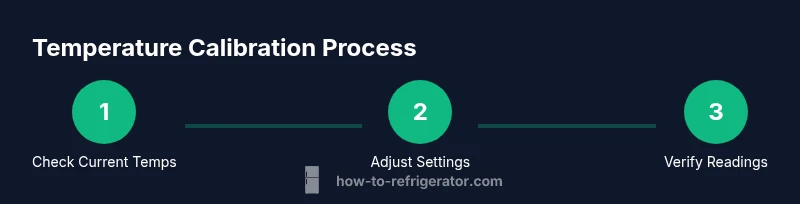
Begin by locating the temperature control. Many models use a dial behind the crisper drawer or on the upper wall; others use a digital panel on the fridge door. Place a digital thermometer in the middle shelf, away from the vents and door. If your unit has a dedicated freezer thermometer, place it in the center of the freezer. Adjust the fridge control to 3–4°C (37–40°F) and the freezer control to -18°C (0°F) as a starting point. Do not jump multiple increments at once; small changes yield clearer results. After adjusting, close the door and let the unit stabilize. If you find the middle temp drifts, fine-tune by 1°C at a time, and recheck after 24 hours. This careful approach minimizes overcorrection and keeps food safe.
Calibrating for Humidity, Doors, and Load
Humidity and airflow influence perceived temperature. Ensure vents are not blocked by tall items; air should circulate freely around shelves. Keep humidity-sensitive produce in the crisper with adjustable humidity settings when available. Heavy loading, frequent door openings, or hot items placed inside can cause temperature fluctuations. To counter this, plan loading to minimize door openings during busy times, and allow extra time for air to circulate after loading. If condensation persists or shelves frost, your temperature may be too low or the door gasket may be compromised. Regularly inspect seals and replace damaged gaskets promptly. The bottom line is that temperature is one part of a broader system that includes air flow, humidity, and door integrity.
Troubleshooting Common Symptoms of Wrong Temps
If food spoils faster than expected, you may be running too warm. If you notice frost buildup or ice crystals on foods, the fridge may be too cold or have a faulty defrost cycle. Condensation on shelves can indicate doors aren’t sealing properly. A constantly running compressor or warm shelves even when settings are correct may signal an internal issue or an overloaded cooling path. In any of these cases, start by verifying the temperature with a thermometer, then inspect door seals and vents. According to How To Refrigerator, maintaining stable temps reduces energy waste and preserves food quality. If problems persist after rebalancing temps, consider professional service to check the thermostat, fan, or condenser coils.
Energy Efficiency and Safety Considerations
Operating at stable, recommended temperatures supports energy efficiency and safe food storage. Avoid extreme temperatures; cold spots waste energy and risk freezing liquids inadvertently. Keep the fridge away from heat sources (stove, radiator) and ensure proper ventilation around the unit. Regularly clean condenser coils if accessible, which improves efficiency and temperature stability. Use the appliance’s built-in features wisely—vacation mode or energy-saving settings should be used as intended and returned to normal once the household activity returns to typical levels. The How To Refrigerator analysis shows that small, deliberate adjustments can meaningfully reduce energy use while maintaining food safety.
When to Seek Professional Help
If temperatures refuse to stabilize after multiple adjustments, or you notice unusual noises, water leaks, or frost in unexpected places, it’s time to call a technician. A persistent temperature problem can indicate a faulty thermostat, defrost timer, sensor, compressor, or refrigerant issue. Do not attempt refrigerant-related repairs yourself; refrigerants are hazardous and require licensed service. Document the symptoms and any changes you’ve made so the technician has a clear starting point. Remember, ongoing issues can compromise food safety and energy efficiency.
Maintenance Habits to Keep Temps Stable
Create a simple maintenance routine to keep temperatures stable. Clean coils and condensers as recommended by your manual, inspect door seals monthly, and ensure the unit has several inches of clearance for airflow. Keep the interior tidy; avoid overloading and reorganize to allow air to circulate around containers. Check the thermostat setting after seasonal changes or after power outages, as resets can occur. By integrating these habits, your fridge maintains consistent temps with less energy use over time. The How To Refrigerator team emphasizes routine checks to prevent small issues from becoming big problems.
Practical Checklist and Quick Reference
- Confirm fridge 3–4°C and freezer -18°C as starting targets.
- Place a thermometer in the center of the fridge for accurate readings.
- Allow 24 hours for stabilization after any setting change.
- Check door seals and airflow; fix leaks or blockages promptly.
- Record readings and adjust in 1°C steps if needed.
- Clean coils and maintain ventilation for energy efficiency.
- Use energy-saving modes sparingly and return to standard settings afterward.
- Schedule regular maintenance checks to prevent drift over time.
The How To Refrigerator team recommends using this quick-reference as part of your ongoing fridge care.