How to Use Refrigerator: A Practical Step-by-Step Home Guide
Learn practical steps to use your refrigerator effectively, from temperature settings and organization to maintenance. This guide by How To Refrigerator offers actionable tips for homeowners to keep food safe, save energy, and extend appliance life.


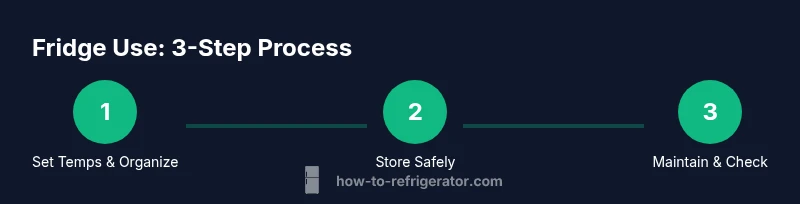
To use a refrigerator effectively, start by setting the fridge to 34–38°F (1–3°C) and the freezer to 0°F (-18°C). Organize foods logically, avoid overloading, and keep doors closed as much as possible. Clean door seals regularly, and perform periodic defrosting if your model requires it. Check humidity settings for vegetables and monitor bottle storage to prevent spoilage.
Why using refrigerator correctly matters
Using a refrigerator properly isn’t just about keeping leftovers fresh—it reduces food waste, cuts energy costs, and extends appliance life. When you understand where and how to store items, you minimize cross-contamination, preserve nutrients, and maintain consistent cooling throughout the cabinet. According to How To Refrigerator, the foundation of good fridge use begins with temperature control, door discipline, and a sensible interior layout. Small daily habits compound over weeks to deliver safer food and lower electric bills. This section explains why getting the basics right matters for you and your family, and how to translate those basics into a simple routine you can follow every day. We'll cover practical steps you can take now to set the stage for reliable operation and long-term satisfaction with your appliance. Quality fridge use also supports food safety by keeping perishable products in safe zones and preventing refrigerator burns or spoilage. If your fridge runs constantly or you notice uneven cooling, addressing setup and habits promptly can prevent costly repairs and avoid health risks. In short, good fridge care is a small, consistent habit that yields big returns.
Proper placement and initial setup
Start with position: place the refrigerator away from heat sources like ovens or direct sunlight, and ensure there is at least a few inches of clearance on all sides for air to circulate. Level the unit; an uneven bottom can cause doors to misalign and seals to fail over time. Open the doors and confirm there’s no obstruction from furniture or walls that would prevent a full swing. Inside, plan the layout by keeping heavy items on the shelves rather than on the door, and keep frequently used items at eye level for easy access. If your space allows, attach a reliable fridge thermometer inside to verify that the temperature stays within the recommended range. For a healthy start, consider labeling zones for dairy, meat, produce, and beverages to avoid cross-contamination and to speed up daily loading and unloading. If you have a drawer with humidity control, set it according to the produce you store—low humidity for most fruits, higher humidity for leafy greens. For visual guidance, refer to your owner’s manual or a labeled interior diagram. Remember, the best setup is one that reduces door openings and keeps air moving freely.
Temperature settings and energy efficiency
The fridge should operate in a narrow, safe temperature band to slow bacterial growth while preserving textures and flavors. A common recommendation is 34–38°F (1–3°C) for the refrigerator compartment and 0°F (-18°C) for the freezer. If your model uses a digital control, avoid frequently toggling the setting; instead, adjust by small increments and allow 24 hours to stabilize before rechecking. Avoid placing warm or hot foods directly into the fridge, as this forces the compressor to work harder and can cause temperature fluctuations on nearby items. For energy efficiency, keep door seals clean and free of cracks; a damaged gasket wastes energy and can lead to frost buildup. According to How To Refrigerator Analysis, 2026, ensuring a stable temperature range and minimizing door openings are practical ways to improve energy use without sacrificing food safety. If you notice frost on the back wall or coils, it may indicate airflow restrictions or door leaks that need attention. Documenting temperature readings weekly helps catch drift before it becomes a problem.
Food storage zones and organization
Structure matters when you’re storing perishable foods. Place raw meat on the bottom shelf to prevent drips onto ready-to-eat foods. Use the upper shelves for dairy and leftovers, where temperatures stay more constant, and reserve the door shelves for condiments and beverages. Produce should go in crisper drawers with humidity settings adjusted to suit the contents—keep leafy greens in high humidity and most fruits in low humidity to slow ripening. Keep items in clear, labeled containers when possible to reduce mystery spoilage and facilitate quick expiry checks. Avoid overcrowding; proper air circulation keeps temperatures even across the entire compartment. If you’re unsure where to place items, start with a simple zoning plan and adjust as you monitor how quickly different foods go from fresh to spoiled. A well-organized interior makes daily routines easier and reduces waste. For troubleshooting or design inspiration, consult your owner’s manual and interior diagrams.
Daily use routines to extend life
Consistency is key to extending the life of your refrigerator and preserving food safety. Develop a simple daily routine: do a quick door check to ensure it’s closed after every trip, wipe up spills promptly to prevent stubborn stains and odors, and return items to their designated zones immediately. Keep a small label or marker handy to annotate leftovers with the date they were prepared. Regularly review your weekly shopping list to avoid buying duplicates; this reduces overload and helps maintain stable temperatures. If you notice a layer of frost or condensation on the shelves, it may indicate overfilling or frequent door openings; adjust your stocking plan accordingly. Build a habit of cleaning spills with a microfiber cloth and non-abrasive cleaner to protect surfaces. If you have a busy household or children, consider a simple reminder system to encourage everyone to close the door quickly and only take what they need. Visual cues near the fridge can reinforce good habits and contribute to energy savings.
Cleaning, defrosting, and seal maintenance
A regular cleaning routine preserves hygiene and efficiency. Schedule a light interior wipe-down weekly with a mild detergent and warm water; a deeper clean every 1–2 months helps maintain fresh scents and remove hidden buildup. For units with automatic defrost, follow the manufacturer’s guidance; otherwise, plan for manual defrosting when frost is 1/4 inch thick on the walls. When cleaning, avoid harsh chemicals that could leave residues on food-contact surfaces. Check the door seals monthly for cracks or stiffness; clean them with a damp cloth and a mild soap solution to remove dust or crumbs that prevent a tight seal. If you detect air leaks around the gasket or the door doesn’t seal properly, replace or repair the gasket. A small amount of baking soda in a shallow bowl can neutralize odors during cleaning. If you’re unsure about the defrosting procedure, refer to the manual or contact a professional. Visual aids from manufacturer guides can help you identify components such as coils and fans that require periodic inspection.
Troubleshooting common issues and when to call a pro
Most fridge problems fall into a few familiar categories: it’s not cooling enough, it’s noisy, or there’s frost buildup. If cooling is weak, verify the unit is level, doors seal properly, and there’s adequate clearance around the back for airflow; verify that vents are not blocked by stored items. A humming or buzzing noise can indicate a failing fan or compressor; if the sound persists or worsens, schedule service to avoid further damage. Frost buildup on interior walls often means a door is not sealing correctly or there’s a leak somewhere. If you notice water pooling or ice forming in unusual places, turn off the unit and inspect for obstructions before contacting a technician. In most cases, routine maintenance and minor replacements resolve issues. For complex electrical or refrigerant problems, contact a certified technician. Your owner’s manual can guide you to model-specific solutions and recommended service providers. When in doubt, a professional service visit is the safest route to protect your investment and ensure continued safe operation.
Matching features to your needs: smart models, energy-saving modes
Modern refrigerators come with a variety of features designed to simplify use and save energy. Consider models with adjustable shelves, humidity-controlled crisper drawers, door alarms, and energy-saving modes that automatically adjust cooling based on usage. Ice makers or water dispensers add convenience, but they may increase energy use and potential maintenance requirements. Evaluate your family’s habits to determine which features matter most; for example, a door alarm can reduce energy waste if you frequently forget to close the door. When choosing a model, compare energy ratings and warranty terms. If you already have a unit, experiment with features like humidity control and temperature zones to maximize freshness. Keep in mind that smart features require compatible apps and regular software updates. If you rely on a fridge for precise storage needs, a model with stable, uniform cooling across zones will be more reliable over time. Align your selection with your daily routines to achieve practical benefits and improved retail cost savings.
Seasonal maintenance plan and records
Create a seasonal schedule to maintain fridge performance, starting with a quick pre-holiday check and a comprehensive yearly service. Track temperatures, gasket integrity, coil cleanliness, and the efficiency of door seals. Record any repairs, part replacements, and service visits, plus the approximate cost. A simple calendar reminder helps ensure you don’t skip preventive steps that preserve freshness and energy efficiency. During spring and fall, wipe down seals, check the condenser coils if they are accessible, and ensure the fridge is level after any relocation. Document performance observations, such as changes in cooling speed or humidity control, to help forecast future needs. Keeping a maintenance log makes it easier to diagnose issues and plan replacements. Following these routine checks will help you extend the life of your refrigerator and maintain optimal performance for your household.
Tools & Materials
- Fridge thermometer(To verify temperature in the warmest part of fridge)
- Microfiber cloth(For spills, condensation, and gaskets)
- Mild dish soap(Exterior and interior cleaning)
- Soft sponge(Gentle cleaning and scrubbing)
- Baking soda or vinegar(Deodorizing and odor control)
- Owner's manual(Model-specific guidelines and defrosting info)
Steps
Estimated time: 45-60 minutes
- 1
Set target temperatures
Adjust the fridge to the recommended range (34–38°F / 1–3°C) and the freezer to 0°F / -18°C. Allow 24 hours for stabilization and recheck with a thermometer in the center of the shelves.
Tip: Avoid frequent temperature changes; small adjustments are better for stability. - 2
Arrange interior for safety and efficiency
Place raw meat on the bottom shelf, dairy on middle shelves, and produce in crisper drawers. Keep frequently used items at eye level and avoid blocking vents.
Tip: Use clear containers to prevent spills and cross-contamination. - 3
Load foods properly and label leftovers
Cool hot foods before refrigerating, seal containers, and label with dates. Do not overload shelves; give air a path to circulate.
Tip: Label leftovers with a 3–4 day use-by window. - 4
Check door seals and minimize door openings
Inspect gaskets for cracks, clean seals, and ensure doors close tightly. Plan pickups so doors are opened briefly and less often.
Tip: Consider a door alarm if your model has one. - 5
Clean interior surfaces regularly
Wipe spills promptly with a mild solution; deep-clean every 1–2 months. Dry surfaces thoroughly to prevent mold and odors.
Tip: Use baking soda solution for odor neutralization. - 6
Defrost and maintain drainage (if manual)
If your fridge requires manual defrost, plan a defrost when frost exceeds 1/4 inch. Clean the drain channel to prevent pooling.
Tip: Turn the unit off and unplug before defrosting. - 7
Inspect coils and vents periodically
Check condenser coils (usually behind or beneath the unit) and ensure vents are clear of obstructions. Clean as needed to maintain efficiency.
Tip: Do not unplug or remove refrigerant components. - 8
Keep a seasonal maintenance routine
Create reminders for gasket inspection, coil cleaning, and temperature checks. Log results to track performance over time.
Tip: Set calendar reminders for spring and fall maintenance.
FAQ
What is the recommended temperature for a refrigerator and freezer?
Keep the refrigerator at 34–38°F (1–3°C) and the freezer at 0°F (-18°C) for safe food storage. This helps slow bacterial growth while preserving texture and flavor.
Aim for 34 to 38 degrees Fahrenheit in the fridge and zero degrees in the freezer for best safety and freshness.
How often should I defrost a manual defrost fridge?
Defrost when frost buildup reaches about a quarter inch. Follow your model’s instructions and unplug if advised during the process.
Defrost when frost is about a quarter inch thick, following your model’s instructions.
What should I do if the door seal is loose or damaged?
Replace or repair the gasket to restore a tight seal. Clean the area first to ensure proper adhesion and test by closing the door on a dollar bill test.
Replace a damaged door seal to prevent leaks and restore efficiency.
Can I store hot leftovers in the fridge?
Let hot foods cool to room temperature before refrigerating to avoid raising the fridge temperature and overworking the compressor.
Let hot foods cool before putting them in the fridge.
Why is my fridge noisy?
A constant hum or clicking may come from the fan or compressor. If noises persist or worsen, schedule service to prevent component damage.
A noisy fridge may signal a fan or compressor issue; contact a pro if it continues.
What features should I prioritize when choosing a new fridge?
Prioritize stable cooling across zones, adjustable shelves, humidity-controlled crisper drawers, energy-saving modes, and a reliable door seal.
Look for even cooling, flexible shelves, efficient seals, and energy-saving modes.
How can I improve energy efficiency without sacrificing safety?
Keep doors closed, avoid overstocking, and maintain clean seals. Use a thermometer to monitor temperature stability and adjust placements to improve airflow.
Keep doors closed, maintain seals, and monitor temperatures for efficiency.
Watch Video
Top Takeaways
- Set fridge to 34–38°F and freezer to 0°F.
- Organize shelves by food type and avoid door clutter.
- Inspect and maintain door seals to prevent leaks.
- Clean spills promptly and defrost as needed.
- Document seasonal maintenance for reliability.