How to Use a New Refrigerator: Step-by-Step Guide
Learn how to use your new refrigerator safely and efficiently. This guide covers setup, temperature settings, organization, ice maker use, and routine maintenance for homeowners.


This guide walks you through using a new refrigerator from unboxing to daily operation. You'll learn how to place and level the unit, set initial temperatures, organize shelves for airflow, use ice maker and water dispenser, and perform routine maintenance. Following these steps will help preserve food, maximize energy efficiency, and extend appliance life.
Getting Started with Your New Refrigerator
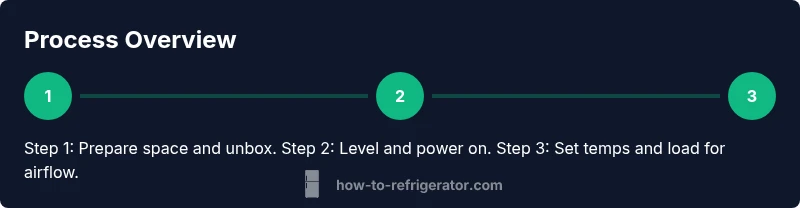
Unboxing a brand-new refrigerator is exciting, but the first steps matter as much as the model you chose. Place the unit in a clean, level spot on a dry floor with at least a few inches of clearance from walls to allow heat dissipation and proper ventilation. If possible, position away from heat sources like the oven or sunny windows. Gently slide the fridge into place and use a spirit level to confirm it sits evenly from side to side and front to back. The How To Refrigerator team emphasizes the importance of a level, well-ventilated install for reliable performance and even cooling. After placement, plug it in and wait for the compressor to settle in, typically a few hours, before loading groceries. According to How To Refrigerator, starting with a level installation and adequate clearance helps cooling performance and energy efficiency.
Initial Setup: Temperature, Modes, and Defrost
Most modern refrigerators offer adjustable temperature controls and several modes (like vacation or quick chill). Start by locating the user panel and reading the manual to confirm exact settings. As a general guideline, keep the fresh-food compartment in the low 30s to mid-40s Fahrenheit range and the freezer around 0°F; use the built-in thermometer if available to verify accuracy. Avoid extreme temperature changes during the first 24 hours; minor fluctuations are normal as the compressor stabilizes. If your model has a defrost option, run it according to the schedule in the manual, and allow a short rest period before loading items. After you have set temperatures, close the doors and observe for a few hours to ensure steady cooling.
Organizing for Freshness and Efficiency
An organized fridge reduces energy use and helps foods stay fresh longer. Place items with longer shelf life toward the back, and keep frequently used items in the doors if possible while ensuring the door seal is closed properly. Use shelves to create vertical zones: taller bottles on one side, dairy in the bottom for cold air to circulate, and produce in the crisper drawers with humidity controls set appropriately. Do not block vents with bulky containers, as blocked airflow can cause uneven cooling and frost buildup. According to How To Refrigerator analysis, maintaining good airflow inside the cabinet is one of the simplest ways to maximize energy efficiency and prolong food quality.
Everyday Use: Loading, Shelves, Drawers, Humidity Control
Load groceries in a way that air can circulate around items. Keep raw meats on the bottom shelf in a sealed container to prevent drips. Use the humidity-controlled drawers for produce and adjust the humidity setting to keep vegetables crisp and leafy greens from wilting. Avoid overpacking shelves; too much mass reduces airflow and increases energy usage. When opening the door, do so quickly, and plan the shopping lineup to minimize door-open time. The more you maintain consistent temperature, the less energy your fridge consumes.
Using Special Features: Ice Maker, Water Dispenser, Quick Chill
If your refrigerator includes an ice maker, connect the water line if required and run a test batch of ice to purge any manufacturing taste. Clean the ice bin regularly and avoid placing ice near strong-smelling foods. The water dispenser should be used only after ensuring the line is connected and free of leaks. Use the Quick Chill or Fast Cool setting sparingly; it drops temperatures temporarily to rapidly chill groceries, but prolonged use can overwork the compressor. Allow the unit to recover to its normal temperature after using these features.
Cleaning and Maintenance Schedule
Regular interior cleaning helps prevent odors and keeps temperatures consistent. Unplug the unit before cleaning and wipe the interior with a mild soap solution or a baking-soda-and-water mix to deodorize. Rinse and dry thoroughly before powering back on. Clean door gaskets with warm, soapy water and check for cracks or gaps; a poor seal wastes energy. If accessible, vacuum condenser coils every 6–12 months to remove dust and improve efficiency. Always refer to the user manual before maintenance and avoid using abrasive cleaners that could damage surfaces.
Energy Tips and Safety
Keep your fridge running efficiently by minimizing door openings, especially during peak indoor temperatures. Ensure there is adequate clearance around the condenser coils and vents; blocked airflow forces the compressor to work harder. Regularly inspect door seals for cracks and replace as needed to prevent cool air from escaping. According to How To Refrigerator analysis, maintaining consistent temperatures and clean seals yields noticeable energy savings over the appliance’s life. For safety, unplug before any major maintenance and never mix water with electrical components.
First Month Checklist
During the first month, verify door seals are intact, monitor temperatures with built-in or external thermometers, and adjust as needed. Keep the interior organized to promote airflow, and schedule a coil cleaning after the first 3–4 months if your model provides access. Maintain a biweekly wipe-down routine to prevent odors and spills from building up. By sticking to these steps, you’ll establish good habits that help your new refrigerator perform reliably for years.
Tools & Materials
- Spirit level(to ensure fridge sits level on the floor)
- Soft cloth(for interior cleaning and wiping spills)
- Mild dish soap(dilute in warm water for cleaning surfaces)
- Baking soda(for deodorizing interior (1 tablespoon per quart of water))
- Vacuum with brush attachment(for condenser coils if accessible and safe to reach)
- Phillips-head screwdriver(for leveling feet if your model requires it)
Steps
Estimated time: 30-45 minutes
- 1
Unbox and place the fridge
Remove packaging carefully and slide the fridge into its intended position. Leave at least a few inches of clearance on all sides for air circulation. Use a spirit level to confirm the unit is level from front to back and side to side. This initial placement supports even cooling and reduces vibrations.
Tip: Double-check that the floor is dry before sliding the unit to avoid slips. - 2
Level the appliance
If you find the cabinet isn’t level, adjust the leveling feet or screws on the base until it sits evenly. Recheck with the spirit level after adjustments. A level appliance prevents door misalignment and improves seal integrity.
Tip: Small adjustments can make a big difference; don’t over-tighten leveling screws. - 3
Clean the interior before use
Wipe the interior surfaces with a mild soap solution or baking soda solution, then rinse with clean water and dry. This removes manufacturing residues and helps prevent off-putting odors as you start storing groceries.
Tip: Avoid harsh chemicals that may leave residues. Ventilate for a few minutes after cleaning. - 4
Set initial temperatures
Consult your manual to confirm exact steps, but start with a fresh-food zone in the low 30s to mid-40s Fahrenheit and the freezer near 0°F. Use built-in thermometers if available to verify stability over the first 24–48 hours.
Tip: A stable temperature take time to establish; monitor and adjust gradually. - 5
Load for airflow
Place groceries so air can circulate around items; avoid blocking vents. Put raw meats on the bottom shelf in sealed containers to prevent drips. Use the crisper drawers for produce and dairy on shelves that allow air movement.
Tip: Do not stack items on top of vents or block the fan area. - 6
Test features and finalize
Power on and test the ice maker and water dispenser (if present). Run a quick ice batch to purge any tastes from manufacturing, and confirm there are no leaks on the water line. Verify you’re comfortable with the daily operation and make final adjustments.
Tip: If you notice unusual noises or leaks, shut off power and consult the manual or support.
FAQ
What is the best initial temperature for a new refrigerator?
Most manuals suggest keeping the fridge in the low 30s to high 30s Fahrenheit and the freezer around 0°F. Use the built-in thermometer to verify stability over the first 24–48 hours.
Set the fridge to about the mid-30s Fahrenheit and the freezer to 0 degrees, then monitor and adjust as needed.
Can I put hot leftovers in the fridge?
Let hot foods cool to room temperature before refrigerating to avoid temperature spikes that can affect other items and the compressor.
Wait for foods to cool before storing in the fridge to keep temperatures stable.
How often should I clean the coils?
Check your manual for accessibility. If coils are reachable, clean them every 6–12 months to maintain cooling efficiency.
Clean the coils every 6–12 months if you can access them safely.
Why is there frost buildup in the freezer?
Frost can form if the door is left open, the gasket is damaged, or the defrost cycle isn’t functioning properly. Check the door seal and defrost settings.
Frost means something isn’t sealing well or defrost isn’t keeping up; check seals and settings.
Is the ice maker energy efficient?
Ice makers use more energy than basic cooling, so use them as needed. Ensure the water line is connected and leaks are prevented.
Ice makers use more energy; use when needed and ensure the water line is leak-free.
What should I do if the fridge isn’t cooling?
Check that the power is on, vents aren’t blocked, and the thermostat is set correctly. If problems persist, consult the manual or support.
Make sure it’s plugged in, vents are clear, and temperature is set properly; seek help if cooling doesn’t start.
Watch Video
Top Takeaways
- Install level with proper clearance
- Set temperatures to recommended ranges and verify regularly
- Organize for airflow to maximize efficiency
- Perform routine cleaning and gasket checks