What to Do for a New Refrigerator: A Step-by-Step Setup Guide
Learn essential steps to install and set up a brand-new refrigerator, including unboxing, leveling, ventilation, water-line considerations, temperature tuning, and first-week maintenance tips.


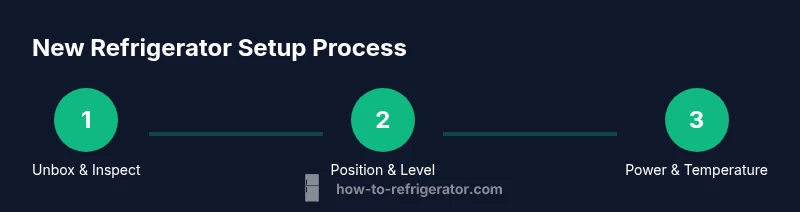
According to How To Refrigerator, a new fridge setup starts with unboxing and inspecting for damage, then positioning and leveling with enough clearance for ventilation. If you plan a water-line hookup, install it correctly; otherwise plug in after a brief settling period and set temperatures for optimal cooling. This quick answer outlines core steps and checks for proper operation and long-term reliability.
Before You Start: Unboxing and Inspection
Unboxing a brand-new refrigerator sets the tone for a successful installation. Begin by removing the outer packaging carefully and inspecting the exterior for dents or scratches. Check the doors, hinges, and handles for alignment and ensure all hardware listed in the manual is present. Photograph any shipping damage and keep documentation handy for the seller or installer. Reading the user guide now will help you understand model-specific features like energy-saving modes or anti-siphon valves. According to How To Refrigerator, a thorough inspection helps catch transit damage early and prevents surprises after setup. A quick wipe-down with a damp cloth removes protective films and dust that can obscure seals later. Keep the packaging nearby in case you need to return or relocate the appliance at a later date.
Key takeaway: Documenting the initial condition and features helps you plan the next steps without guesswork.
Choosing the Right Location: Ventilation and Space
Place the refrigerator on a dry, level surface with several inches of clearance at the back and sides for air circulation. Avoid direct sunlight, heat sources (ovens, radiators), and cupboards that restrict airflow. A common rule is to leave at least a few inches behind the unit; this helps vents work efficiently and reduces motor strain. Use a level to check front-to-back and side-to-side alignment; if the unit tilts, adjust the adjustable feet until the doors seal properly. Good ventilation minimizes frost buildup and ensures even cooling throughout the cabinet. If you’re installing in a tight kitchen, consider temporarily moving nearby objects to create breathing room for hot air exhaust during initial operation.
Note: Proper placement improves energy efficiency and reduces long-term wear on components.
Electrical and Water-Connection Prep: Powering On and Water Lines
If your model includes a water dispenser or ice maker, plan for a cold-water line. Have a qualified valve and line ready, and if you’re unsure about plumbing, consult a licensed installer. For all models, verify that the power outlet matches the plug type and is grounded. Do not use an extension cord—this can cause voltage drop and safety hazards. Before plugging in, ensure the fridge is unplugged for transport and has stood upright for a few hours to let lubricants settle. Once set, connect to power, and, if applicable, connect the water line with a slow, steady turn while checking for leaks. For ventilation and safety, keep cords away from heat sources and avoid storing heavy objects on the cord.
Tip: Have a small flashlight handy to inspect valve connections for any signs of moisture from tiny leaks. How To Refrigerator analysis shows that careful connections reduce post-install issues.
Temperature Setup: Getting the Right Chill Without Overspending
Set the refrigerator temperature between 37–40°F (3–4°C) and the freezer at 0°F (-18°C) as a starting point. After turning on, give the unit several hours to stabilize before loading groceries. Do not overload shelves in the first 24 hours, as this can impair airflow and cause uneven cooling. Adjust dials gradually and monitor door seals; if seals are pinched or loose, readjust the doors or replace weather-stripping as needed. If you notice frost buildup near the evaporator or vents, inspect for blocked vents caused by overpacking or items placed too close to the rear wall. Running the fridge empty for a short period can help you confirm even cooling in all compartments.
Pro tip: Use a fridge thermometer to confirm actual temperatures—it's common for built-in dials to read differently than the actual air temperature.
First-Week Maintenance and Quick Checks
During the first week, establish a simple routine to keep the fridge running efficiently. Clean the coils if accessible (usually behind a rear panel or underneath model), replace the water filter as recommended by the manufacturer, and inspect the door gaskets for tight seals after closing. Check for unusual noises, vibration, or excessive condensation at the door edges. Keep the interior free of spills and wipe down shelves to prevent stains. Schedule a quick follow-up check after 7–10 days to verify that temperatures remain steady and that the fan is not obstructed by food items. A small amount of routine maintenance during this period can prevent bigger failures later.
Note: Documentation from How To Refrigerator emphasizes consistent checks to maximize efficiency and lifespan.
Avoiding Common New-Fridge Pitfalls
New refrigerators can disappoint if users skip essential steps. Avoid common mistakes such as placing the unit too close to the wall, ignoring ventilation needs, or setting temperatures too low, which wastes energy and ages the compressor. Do not use cardboard or tape to shield vents; keep the back of the unit clear for heat dissipation. If you notice water pooling or a persistent odor, address it promptly—water pooling may indicate a leak, while odors can signal internal airflow issues. Finally, do not ignore the manual: models differ in defrost cycles, ice-maker settings, and recommended cleaning intervals. By following model-specific guidance and general best practices, you’ll keep your new fridge performing at peak efficiency for years to come.
Warning: Avoid temporary fixes that rely on electrical cords or altering power supply paths. Always follow manufacturer directions and local electrical codes.
Safety, Energy Efficiency, and Long-Term Care
Think of safety as a daily habit rather than a one-time task. Use energy-saving modes when available, ensure doors close fully, and keep seals clean and undamaged. Location matters for efficiency: keep the unit away from heat sources and ensure room temperature remains within a reasonable range. Periodically inspect hoses and connections if you installed a water line. This careful approach reduces the risk of leaks, ice buildup, and energy waste. Remember that a well-ventilated, level, and clean refrigerator not only cools better but lasts longer. As you continue to use it, adopt a simple maintenance routine: wipe shelves, check gaskets, replace filters as recommended, and monitor performance.
Conclusion-like note: The How To Refrigerator team recommends following these steps for a safe and efficient setup, plus ongoing maintenance to maximize lifespan.
Tools & Materials
- Box cutter(Open packaging carefully; cut away from you.)
- Measuring tape(At least 6 ft (2 m) to verify clearance.)
- Carpenter’s level(Use to confirm front-to-back and side-to-side level.)
- Adjustable wrench or pliers(For stabilizing leveling feet if needed.)
- Screwdriver set (Phillips and flathead)(For screws or panel adjustments.)
- Water supply line and fittings(Only if you plan to hook up ice/water.)
- Towel or absorbent mat(Place under to catch condensation during setup.)
- Safety gloves(Protect hands during搬运 and connections.)
Steps
Estimated time: 1.5–3 hours (plus 2–4 hours settling before heavy use)
- 1
Unbox and inspect for damage
Carefully remove all packaging and inspect the cabinet, doors, hinges, and handles for damage. Check accessories listed in the manual and photograph any shipping concerns before proceeding.
Tip: Document issues with photos and keep packing material in case you need to return or relocate later. - 2
Position and clearances
Move the unit to its final location with enough space for airflow. Check surrounding cabinetry and ensure there is a few inches of clearance on all sides.
Tip: Avoid squeezing the fridge into tight spaces; proper airflow improves cooling efficiency. - 3
Level and stabilize the fridge
Use the leveling feet and a spirit level to ensure the unit sits evenly from front to back and side to side. A tilted fridge can cause door misalignment and poor seals.
Tip: Slightly adjust front feet to prevent doors from catching; recheck after loading groceries. - 4
Connect water line (if applicable)
If your model includes a water/ice dispenser, attach the supply line to a shut-off valve and test for leaks. Do not force connections; tighten by hands and then snug with a tool.
Tip: Open the valve slowly and check under the fridge for any drips within the first 15 minutes. - 5
Power up after a settling period
Plug in the fridge after a short upright settling period so lubricants can settle. This reduces startup strain and protects the compressor.
Tip: Avoid powering on immediately after transport to prevent startup surges. - 6
Set temperatures and organize
Adjust the fridge to 37–40°F and freezer to 0°F. Leave space for air to circulate and organize items to avoid blocking vents.
Tip: Use the interior thermometer to verify actual temperatures over the next 24–48 hours.
FAQ
Do I need to wait before plugging in a new refrigerator?
Yes. After moving the fridge, let it stand upright and settle briefly before powering on to protect the compressor and ensure proper lubrication.
Yes. Let it stand upright for a few hours before powering on to protect the compressor.
Can I install a water line myself for an ice maker?
You can, if you have the right fittings and valves and follow the manufacturer’s instructions and local codes. If in doubt, hire a licensed plumber.
You can do it yourself if you have the right valve and know-how; otherwise seek a professional.
How much clearance is needed around the fridge?
Provide several inches (typically 2–4 inches) of space behind and at least a few inches on the sides for air flow.
Give the fridge a few inches of space for air circulation.
What maintenance should I do in the first month?
Clean accessible coils if present, replace the water filter as recommended, and inspect door seals monthly.
In the first month, check seals, replace filters as scheduled, and keep the coils clean if you can access them.
What should I do if the fridge isn’t cooling after setup?
Verify the thermostat setting, confirm door seals are tight, and ensure vents aren’t blocked by items. If needed, level the unit and avoid overloading shelves.
Check thermostat, seals, vents, and that the fridge isn’t overloaded; adjust as needed.
Watch Video
Top Takeaways
- Unbox, inspect, and level before installation
- Ensure ventilation space around the unit
- Set correct fridge/freezer temperatures and test seals
- Connect water line only if needed and test for leaks
- Follow brand guidance for ongoing safety and maintenance