How to Install a Fridge: A Homeowner's Step-by-Step Guide
Learn how to install a fridge safely with a guided, step-by-step process. From placement to leveling and basic connections, this How To Refrigerator guide walks homeowners through essential steps.


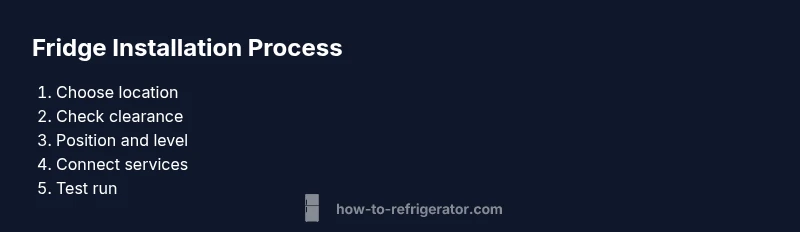
This guide shows you how to install a fridge safely and efficiently, from selecting the location to leveling, plugging in, and basic water-line setup. You’ll learn placement considerations, clearance, electrical needs, and a test run to confirm proper operation and energy efficiency. This quick overview sets expectations and prepares you for the detailed steps that follow.
Why proper fridge installation matters
According to How To Refrigerator, proper fridge installation reduces energy use, prevents startup issues, and helps extend the appliance's life. A correctly installed fridge maintains even temperatures, promotes efficient airflow, and minimizes strain on the compressor. Poor placement, inadequate ventilation, or an out-of-level unit can cause frost buildup, louder operation, and higher energy bills. When you take the time to install the fridge correctly, you also improve food safety by ensuring consistent cooling performance across shelves. This section lays the groundwork for the rest of the guide, so you understand what’s at stake and what you’ll gain by following a careful process. You’ll see how attention to placement, ventilation, and setup translates into real-world benefits, such as quieter operation, fewer defrost cycles, and lower running costs over the unit’s lifetime. Many households underestimate the impact of installation on efficiency, especially in kitchens with warm ovens or adjacent heat sources.
Assessing location: space, ventilation, and traffic
Choosing the right spot for your fridge goes beyond finding a free corner. Start by selecting a location away from heat sources such as ovens, radiators, and direct sunlight, as excess heat can force the compressor to work harder. Next, ensure there is adequate ventilation behind and around the unit; this helps dissipate heat and reduces energy use. Finally, think about how people move through the kitchen—doorways, islands, and frequent foot traffic can affect door clearance and accessibility. If the setup will be near a water line or electrical outlet, plan for the shortest safe run to minimize cable or hose tension. This planning step reduces the need for rework later and makes the installation safer and more reliable. The How To Refrigerator team recommends taking measurements and visual checks before committing to position. Based on How To Refrigerator Analysis, 2026, leaving room for ventilation around the condenser improves cooling performance.
Measuring and planning clearance
Now that you have a preferred location, measure the fridge footprint against the space. Compare the appliance width, depth, and height to the allocated area, and leave clearances for doors and airflow. A quick floor-to-door height check helps prevent awkward door angles or scraping. Mark the floor with painter’s tape so you can rehearse the placement without moving heavy equipment. If your kitchen has trim or molding, account for those obstructions so you don’t jam the fridge into place. Also consider the water line access if you’re installing a ice-maker or water dispenser—plan for the hose path away from the floor and away from heated zones. This careful planning saves time and avoids dash placements that could damage floors or cabinets. Planning ahead reduces the chance of having to move the fridge after it’s plugged in.
Unpacking and preparing the area
Unpacking is best done close to the final position to minimize movement. Remove packaging from the fridge exterior and interior shelves, then wipe down surfaces to remove any manufacturing dust. Clear a wide path for movement and lay down protective mats or a blanket to prevent floor damage. If wiring touches the ground, tuck it safely away to prevent tripping. Have a helper ready to assist with door panels and shielding against accidental bumps. This prep work makes placement smoother and reduces the risk of scratches or shipping damage once you begin moving the unit into its final spot.
Positioning: moving, placing, and wiring safety
With a helper, slide the fridge into its final position using smooth, even motions. Avoid tilting more than necessary; keep the unit upright to protect the compressor and refrigerant lines. Use protective mats under the feet and ensure the appliance sits level side-to-side and front-to-back. Route the power cord straight to a dedicated 120V outlet and avoid extension cords or power strips. If you’re installing a water line, plan the route to the shut-off valve and ensure all connections are hand-tight; use plumber’s tape for threaded fittings if needed. Confirm there are no kinks or bends in hoses that could restrict flow. After positioning, verify doors open fully without hitting cabinets or walls and adjust as needed.
Leveling the fridge for proper door seal
Leveling is critical for the gaskets to seal. Use a spirit level on the top edge of the fridge and adjust the front feet so the unit is plumb from left to right and slightly pitched backward to allow drainage. Most fridges rely on adjustable rollers or feet; use a wrench or pliers to raise or lower as needed. After adjusting, close the doors and test that they latch easily with a uniform seal all around. If you notice gaps at the corners, re-check both vertical and horizontal alignment. Do not over-tighten hinges, which can warp the doors. If you need to change hinge position, consult your owner’s manual for steps to reverse door swing or reposition hinges.
Connect electrical supply and water line considerations
Install on a dedicated 120V circuit whenever possible; this reduces nuisance tripping and avoids overloading outlets shared with other appliances. Use a grounded outlet that is accessible and within reach of the fridge’s supply cord. If your model includes an ice maker or water dispenser, connect the water line per the manufacturer’s instructions. Use a compression fitting or proper supply line and ensure the shutoff valve is easily reachable. For safety, verify that the area behind the fridge is free of cords and that the power plug can be reached without moving the appliance again. Do not use extension cords to power the refrigerator. If you’re uncertain about electrical work, consult a licensed electrician.
Initial test run: functional checks and settings
Plug in the fridge and listen for the compressor starting. If the unit remains silent for more than a few minutes after being powered, troubleshoot power and outlet conditions. Set the thermostat to a mid-range setting and monitor the temperature inside the fridge for several hours. Check door seals by closing the door on a sheet of paper; if you can pull the paper out easily, reseal or adjust gaskets. Observe the ice maker (if present) and water dispenser during first use to confirm water flow is steady. Inspect for any leaks around hoses and connections. After this test run, return to the kitchen to verify that the floor has not shifted and that nothing is blocking the vents.
Troubleshooting common installation issues
Common issues include poor door sealing, unusual noises, and improper leveling. If doors won’t seal, re-check the level and door hinge alignment; some models require resetting the door alignment after transport. If you hear rattling or buzzing, check to remove packaging screws and verify internal components settled properly. Leaks around water connections warrant tightening fittings and inspecting hose for cracks. If the fridge trips the circuit breaker, move it to a dedicated outlet and check for other loads on the same circuit. When in doubt, consult the owner’s manual and consider a professional service for safety-critical steps.
Maintenance after install to extend life
Regular cleaning and coil maintenance improve efficiency and longevity. Vacuum and gently brush condenser coils every few months, especially in dusty kitchens. Wipe down shelves and gaskets to maintain a tight seal and prevent odors. Check the water line and filters (if present) on a schedule; replace or clean per manufacturer’s instructions. Keep the fridge away from heat sources and avoid overfilling, which disrupts airflow. Finally, update the control settings as seasons change, and listen for changes in noise or temperature that might indicate a need for professional inspection.
Tools & Materials
- Measuring tape(Essential for space planning and doorway clearance)
- Spirit level(Use to ensure front-back tilt and side-to-side plumb)
- Flat-head and Phillips screwdrivers(For hinge screws and panel adjustments)
- Needle-nose pliers(Helpful for hose alignment and clip adjustments)
- Dedicated 120V electrical outlet(Avoid extension cords; ensure outlet is within reach)
- Water line kit (optional)(Only if your fridge has ice maker or water dispenser)
- Shims or anti-slip mats(Use if floor is uneven or to protect flooring)
- Gloves and helpers(For safety and easier handling of heavy fridge)
- Towels or absorbent cloths(Mop condensation and spills during setup)
Steps
Estimated time: 1-2 hours
- 1
Prepare the space and tools
Clear the installation zone, remove packaging from the fridge nearby, and lay down protective material. Gather all tools and confirm an available outlet. This reduces last-minute trips and protects floors.
Tip: Have a helper ready to manage packaging and doors. - 2
Position the fridge in the final area
With a second person, move the fridge toward its final location and keep it upright to protect internal components.
Tip: Do not tilt the appliance more than necessary. - 3
Check for clearance and accessibility
Verify there is adequate space behind and at the sides for ventilation and that doors can open fully without obstruction.
Tip: Mark placement with painter’s tape before making contact with the floor. - 4
Level the fridge front-to-back and side-to-side
Use a spirit level on the top edge and adjust feet until level, with a slight backward pitch for drainage.
Tip: Avoid over-tightening feet; minor adjustments are safer. - 5
Connect water line (if applicable)
Attach the supply line to the fridge’s water inlet and to the shut-off valve. Hand-tighten fittings and test for leaks.
Tip: If uncertain, consult the installation guide or a plumber. - 6
Plug in to the dedicated outlet
Ensure the outlet is grounded and accessible. Avoid using extension cords.
Tip: Confirm the plug reaches without stretching the cord across heat sources. - 7
Initial temperature settings and checks
Set to a mid-range temperature and run the unit to stabilize. Check door seals by testing with a piece of paper.
Tip: If paper slides out easily, adjust gasket or hinges. - 8
Run a basic function test
Test the ice maker (if present) and water dispenser. Look for leaks and unusual noises.
Tip: Listen for proper compressor cycling without buzzing. - 9
Inspect surroundings and adjust as needed
Ensure vents are clear, cords are tidy, and the fridge remains stable after minor shifts.
Tip: Make small adjustments rather than large shifts. - 10
Document and schedule routine maintenance
Note installation dates and set reminders for coil cleaning and filter checks per manufacturer instructions.
Tip: Keep manuals handy for reference.
FAQ
Do I need a professional to install a fridge?
Not always. Simple placement and leveling can be a DIY task, but if you plan to install a water line or have electrical concerns, a licensed professional is recommended.
You can do basic placement yourself, but for water lines or tricky wiring, hire a pro.
Can I install a fridge without a water line?
Yes. Many fridges don’t require a water line. If your unit has ice or water features, you’ll need a line; otherwise skip the line and keep the area clean and ventilated.
Yes, you can install without a water line unless your model includes ice or water features.
What tools do I need for fridge installation?
You’ll typically need a measuring tape, level, screwdrivers, and a dedicated electrical outlet. A helper and towels for spills are handy.
Measuring tape, level, screwdrivers, and a proper outlet are key.
How long should I wait after moving before plugging in?
If moved, wait a few hours to allow refrigerant to settle before powering on. Follow the manufacturer’s instructions for your model.
Wait a few hours before plugging in, just to be safe.
Is professional installation necessary for all fridges?
No. For simple installs with basic electrical needs, DIY is often fine. For complex wiring or water connections, a pro is safer.
DIY can be fine for simple installs; otherwise hire a pro.
What if the doors don’t align after installation?
Re-check leveling and hinge alignment. Some models allow hinge adjustments or reversing door swing; consult the owner’s manual.
Check level and hinges; adjust as needed per the manual.
Watch Video
Top Takeaways
- Plan your layout before moving the fridge into place.
- Ensure proper ventilation and a level installation.
- Use a dedicated outlet; avoid extension cords.
- Test cooling, seals, and water connections before final use.