How to Start a Fridge: A Homeowner’s Step-by-Step Guide
A homeowner-friendly, step-by-step guide to starting a fridge safely, covering power checks, temperature settings, door seals, and when to call a professional for startup issues.


To fix a fridge that won’t start, begin with a systematic startup check and safe testing. You’ll verify power, door seals, and basic controls, then inspect the compressor and condenser as needed. Gather a multimeter, flashlight, towels, and the owner’s manual before you begin. This quick guide shows a safe, proven sequence for getting cooling back.
How to Start Fridge Safely: Why It Matters
Starting a fridge isn’t just about keeping foods cold; it’s also about safety and protecting your appliance from unnecessary wear. If you’re asking how to start fridge, a methodical startup check helps you avoid hazards and costly repairs. The How To Refrigerator team emphasizes a homeowner-friendly approach that begins with fundamentals and gradually builds toward more nuanced diagnostics only if needed. In this section, you’ll learn why a calm, deliberate sequence pays off: fewer false alarms, less downtime, and a higher chance of restoring cooling without compromising warranty terms.
From the moment you approach the task, focus on safety and documentation. Begin with the basics: confirm the outlet is live, the cord is intact, and the fridge is level. A minor slip—like a loose plug, a tripped circuit, or a door left ajar—can prevent the unit from starting correctly. By following a consistent routine, you create a reliable baseline that makes later checks easier to interpret. This isn’t a race; it’s a careful diagnostic that protects you and your appliance while reinforcing practical electrical and mechanical concepts applicable to most modern fridges. Throughout, keep notes of readings and observations for future reference.
Essential Safety Considerations
Before you touch any internal components, commit to a safety plan. The following precautions help prevent injuries and equipment damage:
- Unplug the unit before testing or inspecting power cords, electrical panels, or the compressor area. Even a powered-down appliance can carry residual charge in certain circuits.
- Wear rubber-soled shoes and use dry hands. Keep the work area dry and free of water spills.
- Use a non-conductive insulated mat if you must work near exposed terminals.
- Keep children and pets away from the kitchen work zone while you troubleshoot.
- If you detect a refrigerant odor, an electrical smell, or sparks, stop immediately and consult a professional.
A safety-first mindset reduces risk and makes every subsequent step clearer. This approach aligns with How To Refrigerator guidance and helps homeowners avoid risky quick fixes that could cause damage or void warranties.
Core Electrical Startup Checks
Electrical basics form the backbone of any fridge startup test. Start by confirming the appliance is receiving power and that the outlet is healthy. Check the power cord for any signs of wear, damage, or pinch points near the plug. If the outlet powers other devices, the problem is unlikely to be the outlet itself, but you should still verify voltage with a multimeter. Next, inspect whether the fridge is plugged in securely and that the circuit breaker hasn’t tripped. If the outlet tests fine, use a non-contact voltage tester to confirm there is no live current leaking at the plug while you handle the cord.
Once power is confirmed, listen for any unusual noises when the unit attempts to start. A faint click or hum can indicate the compressor trying to engage. If you don’t hear any sound at all, your checks should include door and control settings to rule out easy causes. Clear documentation of what you observe will guide any future professional diagnostics and keep you within warranty terms.
Temperature Control and Door Seals
Temperature management is a frequent cause of startup issues. Ensure the thermostat is set within the refrigerator’s recommended range and that the freezer is not overpacked, which can disrupt airflow. If the door seals are worn or loose, cold air leaks out and the unit struggles to reach the target temperature. Test the gasket by closing the door on a sheet of paper or a dollar bill; if you can pull it out easily with resistance, the seal is failing. Clean any residue from the door gasket and ensure the door closes firmly without any misalignment. A small adjustment to the door latch or hinges can also improve the seal and help the compressor cycle properly.
In this portion, you’re determining whether the issue is purely environmental (air leaks) or actual mechanical failure. Observations about how long the fridge runs, how quickly it cycles, and the internal temperature readings will inform the next steps. Keep a simple log of door status, thermostat setting, and observed temperatures to share with a repair professional if needed.
Diagnosing the Compressor, Start Relay, and Overload Protector
If power and temperature controls appear normal but the fridge still won’t start, the problem may reside in the compressor start relay or overload protector. The start relay provides a kick to help the compressor start; a faulty relay can prevent startup while the compressor itself remains healthy. Locate the compressor at the back of the unit and identify the start relay or overload protector assembly. Use a multimeter to test resistance and continuity according to the appliance’s service manual, comparing readings to manufacturer specs. If readings are out of range, replace the relay or remove the protection device for a quick check—only if you’re confident in handling electrical components. In many cases, a defective relay is a common culprit when the compressor fails to engage, and a replacement resolves the issue.
Always power down and unplug before handling the relay, and consult the manual for part numbers specific to your model. If you are unsure about accuracy, it’s safer to contact a technician to avoid damaging the compressor or refrigerant lines.
Diagnosing Common Startup Failure Modes and Fixes
Startup failures fall into several recognizable categories: air leaks, dirty condenser coils, a malfunctioning thermostat, a failed compressor, or a defective start relay. A dirty condenser coil can cause the compressor to overheat and shut down; clean coils gently with a soft brush or a vacuum designed for electronics. Gently brushing away dust from behind the grille is often enough to restore airflow. If you notice excessive frost buildup or ice in the freezer, the defrost system could be stuck, preventing normal operation. Defrost drains should be clear so that ice doesn’t back up and block airflow.
For each identified issue, document the symptom and the tested remedies you attempted. This log will be invaluable if you decide to call a professional, as it helps them diagnose the root cause quickly and accurately. Remember: not all failures require part replacement—sometimes a fairly simple adjustment or cleaning restores startup performance.
Practical Testing Sequence You Can Follow
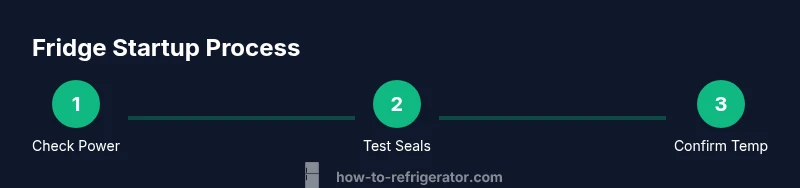
A structured test sequence reduces guesswork and increases safety. Start with a power check, then test the door seal integrity and thermostat setting. Next, power down, inspect the wiring harnesses, and verify there are no loose connections at the rear access panel. Reconnect securely and power up the unit. Listen closely for the compressor’s first sign of life: a click followed by a steady hum. If you hear nothing, test the start relay, overload protector, and thermostat wiring for continuity. If readings are within spec but the compressor still won’t start, it’s time to call a professional for a detailed electrical and refrigerant assessment. Keep temperatures logged for several hours after attempting these steps to confirm stabilization and cooling. This steady approach minimizes risk and maximizes the likelihood of a successful restart.
When to Call a Professional and What to Expect
There are scenarios where DIY checks won’t suffice. If you see signs of refrigerant leaks, an electrical burning odor, or a compressor that remains silent after multiple troubleshooting passes, professional service is warranted. A qualified technician can perform a system pressure test, verify refrigerant levels, and assess the integrity of the compressor, fan motors, and circuitry. They will typically inspect the sealed system for leaks, test the start relay and overload device with specialized equipment, and replace faulty components as needed. Before scheduling service, prepare a concise history of observed symptoms, tests performed, and any parts replaced. This information helps technicians diagnose the issue faster and may reduce diagnostic fees.
Maintenance for Long-Term Startup Reliability
To improve long-term startup reliability, establish a routine maintenance schedule. Clean condenser coils every 6-12 months to maintain efficient cooling, check door seals for wear, and ensure proper airflow around the back and beneath the appliance. Replace worn gaskets promptly to maintain energy efficiency and prevent startup strain. Periodically verify the thermostat’s accuracy with a fridge thermometer, and keep the interior organized to prevent blocked vents. If your model includes an automatic defrost cycle, ensure the defrost timer is functioning, and clear any clogs in the defrost drain. Regular maintenance reduces the likelihood of startup failures and extends the life of your refrigerator.
mainTopicQuery
Tools & Materials
- Digital multimeter(for voltage, continuity, and resistance tests on components)
- Non-contact voltage tester(quick live-wire checks without touching conductors)
- Insulated flashlight(hands-free operation, keep spare batteries)
- Screwdriver set (Phillips and flat-head)(used to remove access panels and mountings)
- Towels or absorbent cloth(capture spills and protect floors)
- Owner’s manual(model-specific specs and safety warnings)
- Thermometer (fridge/freezer)(verify internal temps without opening too often)
- Safety gloves(protect hands when handling sharp edges)
Steps
Estimated time: 1-2 hours
- 1
Inspect power cord and outlet
Unplug the fridge and visually inspect the power cord for cracks or damage. Check the outlet with a multimeter to confirm it’s delivering the expected voltage. If the outlet is dead, reset the circuit breaker and test again before proceeding.
Tip: Replace a damaged cord immediately and avoid using adapters that can overheat. - 2
Power cycle the unit
With the fridge unplugged, wait 5–10 minutes to discharge any stored energy. Plug back in and observe if the compressor starts after a brief click. If it doesn’t start, record the time and any sounds you hear for future reference.
Tip: A brief reset can clear minor electronic glitches without hardware changes. - 3
Check door seals and alignment
Close the door firmly and inspect the gasket for gaps or cracks. If you can pull a sheet of paper out with little resistance when the door is closed, the seal may be compromised. Clean or replace damaged gaskets and ensure the door latches cleanly.
Tip: A good seal reduces warm air intrusion and helps the compressor cycle properly. - 4
Verify temperature settings
Check the thermostat and ensure it’s within the manufacturer’s recommended range. If the display seems erratic, test the thermostat wiring for continuity and look for obvious signs of wear. Adjust to a mid-range setting and monitor for cooling changes over the next hour.
Tip: Avoid setting temperatures to extremes; gradual changes prevent overworking the compressor. - 5
Inspect condenser and airflow
Locate the condenser coils at the back or beneath the fridge. Remove dust with a soft brush or vacuum. Ensure the rear area has unobstructed airflow. A clean condenser improves efficiency and can influence startup reliability.
Tip: Do not use high-pressure devices that can bend fins; use a gentle approach. - 6
Test start relay and overload protector
Access the compressor area and locate the start relay. Use a multimeter to check continuity as per the service manual. If readings are off or the relay is warm, consider replacing the relay or testing the compressor winding accordingly.
Tip: Only replace relays with the model’s specified part; mismatched parts can cause further damage. - 7
Listen for startup cues
After reassembly, power the unit and listen for a definite start-up sound: a brief click followed by a steady hum. If you hear only a click or a continuous hum, stop and reassess the relay, wiring, or compressor condition.
Tip: Document sounds and timing; this helps distinguish a relay issue from a refrigerant concern. - 8
Check for frost buildup and defrost issues
Excess frost can block airflow and prevent startup. If frost is visible, initiate a controlled defrost according to the manual or consult a professional. Ensure defrost drains are clear to prevent ice buildup.
Tip: Avoid using metal tools on frost; metal can damage components and create leaks. - 9
Final test and monitoring
After any adjustments, allow the fridge 30–60 minutes to stabilize and recheck interior temperatures. If the unit remains non-operational, refer to the manual for diagnostic codes or contact a technician for a precise assessment.
Tip: Keep a simple log of actions taken and outcomes to expedite service if needed.
FAQ
Why won't my fridge start even when plugged in?
There are several possible causes, including a tripped breaker, a faulty door seal, a blown fuse, or a failed start relay. Start with a power check, door seal inspection, and relay test before advancing to more involved diagnostics.
Common causes are a tripped breaker, a faulty seal, or a bad start relay. Begin with power and seal checks, then test the relay.
What should I do if the compressor hums but does not start?
A humming compressor can indicate a stuck start relay or overload protector. Test the relay for continuity and, if needed, replace it. If the compressor still won’t start, a professional assessment is recommended to check the windings and refrigerant circuits.
If it hums but won’t start, the relay or overload device may be faulty. Check continuity and consider replacement or expert service.
Is it safe to unplug a fridge to reset it?
Yes, performing a controlled power reset is generally safe when the unit is unplugged and the area is dry. Avoid touching exposed circuitry and never reset during repair attempts if you’re unsure of the connections.
Yes, but only if you unplug carefully and keep the area dry.
How long should I wait after resetting to check cooling?
After a reset, allow 30–60 minutes for the compressor to cycle and the temperature to begin stabilizing. If the unit still isn’t cooling after this period, recheck connections or seek professional help.
Give it 30 to 60 minutes to stabilize after reset before evaluating cooling.
Can a faulty door seal prevent the fridge from starting?
A severely degraded door seal can allow warm air in and confuse the thermostat, making startup harder. Inspect and replace worn seals to restore proper conditions and help the unit start normally.
Yes, a bad seal can prevent proper startup by allowing air leaks.
When is it time to call a pro for fridge startup issues?
If you’ve completed basic checks and the fridge still won’t start, or you detect leaks, unusual smells, or refrigerant signs, professional service is advised. A technician can diagnose refrigerant circuits, compressors, and electrical components safely.
Call a professional if basic checks don’t fix the issue or you notice leaks or smells.
Watch Video
Top Takeaways
- Follow a safe startup sequence to diagnose fridge issues.
- Document symptoms and readings for accurate repairs.
- Many startup problems come down to power, seals, or defrost constraints.