How to Manage Refrigerator: A Comprehensive Home Guide
A complete, beginner-friendly guide to how to manage refrigerator, offering practical steps, routine maintenance tips, and troubleshooting methods for homeowners.


You can manage a refrigerator by establishing reliable temperature control, organizing perishable foods, and performing regular maintenance. This guide provides a step-by-step approach to optimize cooling, clean coils, defrost drains, replace filters, and troubleshoot common issues. Follow the detailed steps to extend your fridge’s life and save energy, with safety as the top priority.
Understanding Refrigerator Management
Managing a refrigerator effectively means more than simply setting a temperature dial. It combines temperature control, proper airflow, organized storage, and routine maintenance to extend the appliance’s life and reduce energy costs. According to How To Refrigerator, homeowners who adopt a structured approach experience fewer temperature fluctuations, less spoiled food, and lower utility bills over time. In practical terms, traveling through the kitchen with a plan—checking temperatures, cleaning coils, and keeping groceries arranged for optimal airflow—adds up to a reliable, efficient system. This section lays the foundation for a practical routine you can implement today, including simple checks you can perform this week and a weekly habit that takes only minutes but yields meaningful results. By framing fridge care as a regular, doable task, you reduce the risk of costly repairs and improve food safety for your family.
Based on the core principles of fridge management, you’ll learn to balance convenience, safety, and energy efficiency. The How To Refrigerator team emphasizes that small, consistent actions beat large, sporadic fixes. Start with a basic audit of your refrigerator’s layout, temperature settings, door seals, and ventilation paths, then build a maintenance calendar that fits your household schedule. This approach helps you maintain consistent cooling, prevent frost buildup, and keep perishable items at safe temperatures.
Key takeaways from this section: a well-managed fridge relies on stable temperatures, clean condenser coils, airtight door seals, and organized storage. You’ll gain confidence to monitor, adjust, and troubleshoot without guessing. Remember: your goal is smooth operation, not perfection at every moment.
Tools & Materials
- Digital thermometer for fridge and freezer(Place in the main compartment away from vents; monitor both fridge and freezer temps.)
- Owner's manual / quick-start guide(Keep for reference to specific model recommendations.)
- Soft cloths or microfiber towels(For wiping spills and dusting coils.)
- Mild dish soap and water(Gentle cleaning solution for shelves and drawers.)
- Vacuum with a soft nozzle or coil cleaning brush(Used to clean condenser coils without bending fins.)
- Bucket or shallow tray(Useful when defrosting or collecting condensate.)
- Replacement water filter (if applicable)(Check your model’s filter schedule.)
- Notebook or app for maintenance log(Track temperatures, cleaning dates, and repairs.)
Steps
Estimated time: 60-90 minutes
- 1
Power safety and initial assessment
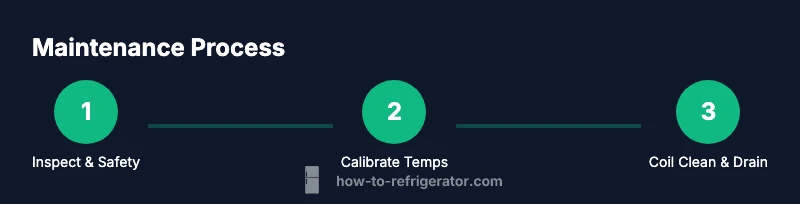
Unplug the fridge or switch off the breaker before starting any maintenance to prevent electrical shock. Quickly inspect doors, seals, and gaskets for cracks or wear. Note any unusual noises, frost buildup, or water leaks that require attention.
Tip: If you must pull the unit away from the wall, have a helper and keep the area dry to avoid slips. - 2
Check and calibrate temperatures
Use a digital thermometer to verify fridge temps are around 37–40°F (3–4°C) and freezer at 0°F (-18°C). Adjust the thermostat as needed and recheck after 24 hours. Small changes can dramatically improve food safety and energy use.
Tip: Avoid placing hot foods directly into the fridge; allow them to cool to room temperature first. - 3
Inspect door seals and gaskets
Close the door on a sheet of paper or a dollar bill; if it slides out easily, the seal may be worn. Clean the seal with a mild solution and replace if damaged. A good seal prevents cold air from leaking and reduces compressor workload.
Tip: Regularly wipe seals with a damp cloth to prevent buildup of grime that can cause leaks. - 4
Clean condenser coils
Locate coils (often behind the rear panel or beneath) and remove dust using a vacuum or coil brush. Do this every 6–12 months or more often in dusty environments. Clean coils help the compressor work efficiently and cut energy use.
Tip: Never use water to wet the motor area; use dry brushing/vacuuming only. - 5
Check and clear the defrost drain
Locate the defrost drain tube and ensure it is not clogged. If you see a slow drainage, flush with warm water or a mild vinegar solution. Clear drains prevent water pooling and odor buildup.
Tip: Do this in a well-ventilated area to avoid splashes on wiring. - 6
Manage shelves and airflow
Organize items to avoid blocking vents; air must circulate freely for even cooling. Reserve the coldest shelf for dairy and prepared foods. Use clear containers to reduce visual clutter and improve access.
Tip: Label leftovers with dates to monitor freshness. - 7
Water filter and ice maker check
If your fridge has a water dispenser or ice maker, replace the filter according to the manufacturer’s schedule and inspect for leaks. This maintenance keeps water tasting fresh and reduces mineral buildup.
Tip: Run a few gallons of water after replacing the filter to flush the system. - 8
Reconnect power and test
Plug the unit back in or restore power, monitor temperatures for 24–48 hours, and listen for normal operation. Check for unusual noises, frost formation on coils, or dampness inside the cabinet.
Tip: Keep a maintenance log for future reference and trend analysis.
FAQ
What is the first step when my fridge isn’t cooling?
Start with safety: unplug and check the door seals for a tight fit. Verify the temperature setting and ensure vents aren’t obstructed. If cooling doesn’t improve after a 24-hour test, consult a technician.
First, unplug and inspect the door seals, then verify the temperature and airflow. If it still isn’t cooling after a day, contact a technician.
How often should condenser coils be cleaned?
Clean coils at least every 6–12 months, or more often in dusty environments. This helps the compressor run efficiently and lowers energy use.
Clean coils about once a year, more if you’re in a dusty area.
Can I fix a leaky defrost drain myself?
Yes, you can clear minor clogs with warm water or a mild vinegar solution. If leaks persist, inspect for cracks in the drain or tub and consult a service professional.
You can try flushing with warm water first; if leaks continue, seek a pro.
Is a warmer fridge a safety issue?
Yes. If temperatures rise above safe ranges, food safety is compromised and energy use increases. Adjust settings and check seals; if unresolved, seek expert help.
Yes, if it’s too warm, food safety is at risk—adjust settings and check seals.
When should I replace a water filter?
Replace per the manufacturer’s schedule or sooner if water flow slows or taste changes. This maintains water quality and appliance performance.
Replace on schedule, or sooner if flow is slow or taste is off.
Watch Video
Top Takeaways
- Establish safe power-off procedures before maintenance
- Maintain fridge temps near 37–40°F and freezer at 0°F
- Regularly clean condenser coils and replace filters as needed
- Keep doors sealed and airflow unblocked for efficiency
- Log maintenance activities to guide future fixes