How to Protect Your Refrigerator from Power Outages
A practical homeowner guide to safeguarding your fridge during blackouts, with backup power options, door management, and safe restart tips to keep food safe.


Power outages threaten food safety and can damage a fridge's electronics. This guide shows practical, homeowner-friendly steps to protect your refrigerator during a blackout, including backup power options, quick energy-saving measures, and safe startup checks. By following these steps, you can minimize spoilage, reduce compressor strain, and improve resilience for future outages.
Understanding Power Outages and Refrigerators
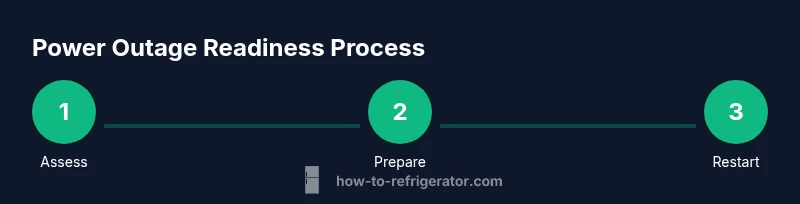
Power outages interrupt the cooling cycle, causing temperature fluctuations that threaten perishable foods. A standard refrigerator relies on a stable cold environment to keep food safe, and when power is out the compressor may stop and stored cool air can escape. According to How To Refrigerator, proactive planning minimizes spoilage risk and reduces stress during outages. Start by assessing whether your outage is local or widespread; if a wider outage is expected, switch to backup cooling strategies and minimize door openings to preserve cold.
Prepare with the Right Tools and Backup Options
Choosing the right backup power option is a core part of outage preparedness. A dedicated backup power source—such as a portable inverter system or a properly installed generator with a transfer switch—helps protect your fridge without risking backfeed. Prioritize a setup that can supply a fridge for a reasonable period at a safe, steady voltage. Match cords and outlets to the device ratings, and ensure outdoor placement for generators to reduce carbon monoxide risk. How To Refrigerator analysis notes that a thoughtful backup plan reduces both spoilage and repair headaches.
Create a Power-Outage Readiness Kit
Prepare a small kitchen readiness kit that travels with your fridge during outages. Include a battery-powered thermometer to monitor temperatures, extra ice or insulated coolers for short-term storage, reliable LED lighting, and sturdy extension cords rated for outdoor use. Label items and keep them in an accessible cabinet so you can grab them quickly if an outage occurs. This kit keeps food safe and makes the outage less disruptive.
Smart Fridge Habits During an Outage
During a blackout, practice smart fridge habits to maximize food safety. Keep doors closed as much as possible to slow heat gain. If you anticipate a long outage, group perishables together to conserve cold air and reduce the amount of air exchange when opened. Avoid propping doors open and minimize the use of warming devices near the fridge, since heat generated nearby accelerates temperature rise.
Safe Restart After Power Returns
When power comes back, observe safety first. Do not plug in appliances one by one in a crowded surge-prone moment; instead, reintroduce the fridge to power after a brief interval to allow the electrical load to stabilize. Check that the interior temperature is returning to normal and listen for unusual noises. If you notice persistent warm spots or a strange smell, consider professional inspection.
Energy Efficiency and Long-Term Resilience
Long-term resilience means optimizing energy use and protecting the fridge from minor outages. Keep the appliance sealed with tight door gaskets and ensure proper leveling to prevent energy waste from air gaps. Maintain a well-stocked freezer as a buffer against temperature swings and keep the condenser coils clean to improve efficiency. Small habits up front compound to reduced risk during outages.
Authority Sources
For reliable guidance, consult government and major publications:
- https://www.energy.gov
- https://www.fsis.usda.gov
- https://www.cdc.gov
Quick-Start Checklist
- Confirm outage status and safety hazards with your utility.
- Gather backup power equipment and extension cords.
- Keep fridge doors closed and monitor temperatures.
- Prepare ice or coolers for perishable items if needed.
- Restart safely after power returns and inspect for issues.
Practical Maintenance and Schedule
Develop a simple maintenance calendar that notes seal checks, coil cleaning, thermostat calibration, and door alignment. Schedule annual inspections of gaskets and coils, and test backup power equipment every few months to ensure readiness. Seasonal checks are important because outdoor temperatures can affect refrigeration performance. A proactive routine reduces spoilage risk during power outages and preserves efficiency year round.
Tools & Materials
- Backup power source (generator or pure-sine-wave inverter)(Select one that can run a refrigerator and consider a transfer switch for safe generator use.)
- Outdoor-rated extension cords(Use cords appropriate for outdoor use and the load; avoid daisy-chaining.)
- Transfer switch or power transfer plug(Highly recommended for safe, code-compliant generator connections.)
- Thermal storage bags or insulated coolers(Useful for short-term storage if the outage is prolonged.)
- Battery-powered thermometer(Monitors fridge temperature without opening the door.)
- LED lanterns or flashlights(Provides safe lighting without drawing from the fridge.)
- Food-grade ice packs or dry ice(Helps maintain cold when the power is out for extended periods.)
- Marker and labels(Label foods by date to track freshness easily.)
Steps
Estimated time: 90-120 minutes
- 1
Assess outage safety and readiness
Check for hazards in the area (downed power lines, gas smells) and confirm the outage is widespread or local. Gather your readiness kit and confirm backup power options are available before touching any outlets or cords.
Tip: If you smell gas or see downed lines, evacuate and call the utility or emergency services. - 2
Keep doors closed and monitor closely
Minimize door openings to preserve the cold air inside. Use a thermometer to monitor the internal temperature and note any rising trends.
Tip: Plan meals that require less refrigeration during the outage and avoid opening the fridge for snacking. - 3
Set up the backup power source safely
Position the generator outdoors with proper clearance and connect to a transfer switch or dedicated outlet. If using an inverter, place it on a stable surface away from moisture.
Tip: Never backfeed through a wall outlet or plug the generator into a standard outlet. - 4
Power the fridge using the correct method
Connect the fridge to the inverter or generator following the device’s manual. Avoid daisy-chaining power sources and respect amperage limits.
Tip: Ensure power is stable before reloading the fridge with items. - 5
Monitor temperature and food safety
Use an appliance thermometer to track temperature inside the fridge and freezer. Move perishable items to a cooler if the outage seems prolonged.
Tip: Label items by time in the cooler to decide what to discard later. - 6
Conserve energy and reduce load
Turn off nonessential appliances to lower the overall electrical load on the backup source. Keep the fridge running on the minimum necessary setting.
Tip: Avoid running heat-producing appliances near the fridge during the outage. - 7
Restart safely after power returns
When power is restored, avoid plugging in all devices at once. Allow the system to stabilize briefly, then reconnect the fridge first if possible.
Tip: Listen for the compressor and ensure the fridge returns to normal operation. - 8
Inspect for issues after restart
Check for unusual noises, odors, or leaks. If anything seems off, unplug the fridge and contact a professional.
Tip: Document any signs of trouble for reference when speaking with a technician.
FAQ
What is the first action to take when the power goes out?
The first action is to check outage status and hazards, then minimize door openings. If you smell gas or see downed lines, stay away and contact your utility or emergency services.
Check the outage status, stay safe, and minimize opening the fridge door. If you smell gas or see downed lines, call for help.
Is it safe to run a generator near the fridge?
Yes, but only if the generator is outdoors, properly ventilated, and connected through a transfer switch or outdoor-rated outlet. Never backfeed through a wall outlet.
Yes—outdoors with a transfer switch and proper cords. Never backfeed through a wall outlet.
What backup power options work best for a refrigerator?
A dedicated portable inverter or a generator with a transfer switch is typically most reliable for a refrigerator. Avoid improvised connections that bypass safety features.
A dedicated inverter or a generator with a transfer switch works best; avoid improvised setups.
How should I handle food during a blackout?
Keep the fridge closed to preserve cold; if the outage is extended, use a cooler with ice packs. If food warms above safe temperature, discard it to prevent illness.
Keep the fridge closed and use a cooler if needed. Discard foods if they warm up to unsafe levels.
Should I unplug the fridge after a power outage?
Unplugging is not usually necessary unless you’re inspecting or performing a restart. When power returns, follow a controlled restart to avoid surges.
You usually don’t need to unplug it, but do a careful restart when power comes back.
When should I call a repair service after an outage?
If the fridge shows persistent warm spots, unusual noises, leaks, or fails to reach cold after power returns, contact a professional.
Call a repair professional if you notice warm spots, odd noises, leaks, or persistent cooling problems after power returns.
Watch Video
Top Takeaways
- Protect food by minimizing door openings during outages
- Choose a safe, reliable backup power option
- Monitor temperatures and use a cooler if needed
- Restart and inspect the fridge safely after power returns