How to Install Fridge Water Line from Sink
A comprehensive, step-by-step guide for homeowners on installing a fridge water line from the sink. Learn planning, parts, routing, connections, testing, and maintenance with expert tips from How To Refrigerator.


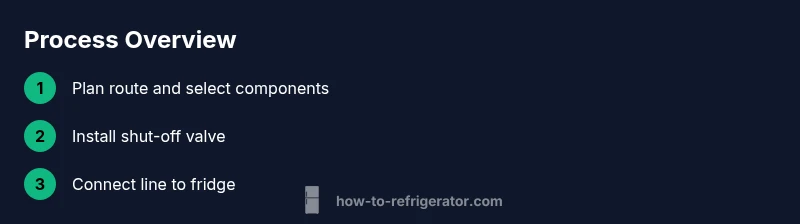
Following this guide lets you install a fridge water line from your sink using a dedicated cold-water shut-off valve and braided tubing. You’ll plan routing, make secure connections, and test for leaks. According to How To Refrigerator, proper valve placement and quality fittings reduce leaks and ensure long-term reliability.
Planning your fridge water line install
A proper plan reduces leaks and saves time. Before you begin, map a clean route from the sink's cold-water supply to the fridge inlet, considering cabinet space, bends, and proximity to power cords. According to How To Refrigerator, start with a conservative route that avoids hot pipes and keeps the line away from drainage to prevent siphoning. Gather your tools and parts, then double-check compatibility with your fridge’s inlet size. The goal is a smooth, kink-free run that stays secure behind panels and out of sight whenever possible.
Planning isn’t glamorous, but it pays off in leak prevention and ease of access later. Take measurements for the path, note any obstacles (pipes, wires, or insulation), and decide whether you’ll run the line behind the cabinet or along the baseboard. A well-planned route reduces the chance of accidental damage and keeps the line away from heat sources and moving parts. This upfront work also helps you choose the right valve, tubing, and fittings for a secure, code-compliant installation.
Required components and why they matter
You’ll need a cold-water shut-off valve with a 1/4-inch compression outlet, a braided fridge water line with compatible fittings, Teflon tape, a wrench, and clamps or zip ties to secure the line. Using a dedicated shut-off valve minimizes cross-contamination and reduces failure points. How To Refrigerator emphasizes choosing quality fittings and corrosion-resistant materials to maximize longevity. Keep spare compression ferrules and short lengths of supply line on hand for a tidy, durable setup.
The right components aren’t just about making it work once; they’re about ensuring reliability for years of ice and water dispensing. Always verify the valve and line are rated for potable water and match your fridge inlet size. If you’re unsure about the path or fittings, consult your fridge’s install manual or a local plumber for code-compliant options.
Routing the line from sink to fridge
Plan the path so the line stays mostly hidden, avoids sharp bends (which restrict flow and increase wear), and remains clear of the drain assembly. Run the line along the back of the cabinet, using clamps to prevent movement. When routing under the sink, avoid contact with hot plumbing or electrical cables. How To Refrigerator analysis shows that using a dedicated shut-off valve and a straight-line run minimizes leaks and wear over time. Leave a little slack at each bend to accommodate movement and temperature changes.
If you must cross open spaces, consider securing the line with clips every 12–18 inches to prevent sagging or kinking. A neat route not only looks better but also makes future maintenance easier. Always verify there’s no interference with the garbage disposal switch, sink strainer, or dishwasher connections if present.
Shutting off water and prepping the line
Shut off the cold-water supply at the main valve or under-sink shut-off valve. Open the kitchen faucet to relieve pressure and drain the line. Place towels or a bucket under the work area to catch any residual water. This step prevents spray-on impact when you cut or remove fittings and reduces the risk of water damage during installation.
Prep the area by clearing cabinet space, installing any mounting hardware, and laying out tools. If you’re replacing an existing line, remove the old tubing carefully and inspect the valve seat for debris. Removing sediment now reduces the risk of clogging the new line later.
Making connections: valve to fridge line
Install the new cold-water shut-off valve on the supply line using the existing tee or by adding a dedicated valve to the cold leg. Connect the braided fridge line to the valve’s compression outlet, ensuring a snug fit. Don’t overtighten; a quarter-turn past snug is usually enough. Use Teflon tape on male threads to seal and prevent leaks. This step creates a strong, leak-resistant junction between your home supply and the fridge line.
After connecting, verify the connection orientation matches the fridge inlet direction, and that the line doesn’t loop toward the cabinet door. A tidy, straight connection reduces stress on fittings when the line expands or contracts with temperature changes.
Routing, securing, and protecting the line
Secure the line along the cabinet interior with clips or ties, keeping it away from moving parts and sharp edges. Protect the line from potential pinches by routing it along the back panel or under a shelf where possible. If the line travels near a heat source (like a hot water pipe), add a protective sleeve or cushion. This minimizes wear and prevents unexpected failures.
Ensure the line has a gentle slope toward the fridge inlet so any condensation can drain away rather than pool in the line. Label the line if you share the cabinet to simplify future maintenance and avoid accidental disconnections. A well-supported line reduces vibration and fatigue at joints.
Connect to the fridge and perform a leak test
Finish by connecting the other end of the braided line to the fridge inlet, following the manufacturer’s instructions. With the cold-water supply still shut, briefly open the main valve to pressurize the line and check each joint for leaks using household soap solution or a leak-detecting kit. If you see bubbles, tighten the fittings slightly and re-test. This precaution confirms integrity before normal use.
Once no leaks are detected, open the sink valve fully and allow water to flow to the fridge. Check for dripping at every joint, including under the sink and at the fridge inlet. If you notice any moisture, shut the valve, re-tighten, and re-test. A thorough test ensures you won’t wake up to damp cabinets or water damage.
Common installation mistakes to avoid
Avoid substituting the valve with makeshift fittings or reusing old compression ferrules. Don’t run the line through areas with excessive vibration or near electrical outlets. Avoid long, downhill runs that trap air and cause sputtering at start. Never clamp the line so tightly that it restricts flow or damages the tubing. These mistakes can create slow leaks or sudden bursts that compromise food safety and appliance performance.
Regular maintenance and when to call a pro
Periodically inspect the line for signs of wear, corrosion, or leaks—especially around joints and the valve. Re-tighten fittings if you notice a slow drip after the initial test, but keep from overtightening. If you detect persistent leaks, a noticeable drop in water pressure, or signs of mold or coolant exposure, consult a licensed plumber. The How To Refrigerator team recommends scheduling a professional check if you’re unsure about valve compatibility, codes in your area, or safe routing beyond your comfort level.
Tools & Materials
- Cold-water shut-off valve (1/4-inch compression outlet)(Install on cold supply; avoid using a saddle valve.)
- Braided stainless steel fridge water line with 1/4-inch compression fittings(Choose length to match route; prefer corrosion-resistant fittings.)
- Teflon tape (plumber’s tape)(Seal male threads to prevent leaks.)
- Adjustable wrench(For tightening compression fittings.)
- Pliers(Hold fittings steady during assembly.)
- Clips or zip ties(Secure line away from heat and moving parts.)
- Rag or towels(Catch any residual water during removal and testing.)
- Leak-detection soap solution(Bubble test to identify leaks.)
- Safety glasses(Eye protection when working under sink.)
Steps
Estimated time: 60-90 minutes
- 1
Shut off water and prep area
Turn off the cold-water supply at the main or under-sink valve. Open the kitchen faucet to release pressure and drain residual water. Clear space in the cabinet and lay out tools for quick access.
Tip: Have towels ready and test the valve by briefly opening it after the area is clear. - 2
Plan route and measure
Choose a path from the sink to the fridge that avoids heat, drains, and wires. Measure the distance to determine the needed length of braided line and ensure a straight, kink-free run.
Tip: Aim for the shortest practical route to reduce potential leak points. - 3
Install the cold-water shut-off valve
If there isn’t a dedicated cold valve, install one on the cold supply line using compression fittings. Ensure the valve is secure and aligned with the planned route.
Tip: Use the wrench to snug fittings—don’t over-tighten to prevent pipe damage. - 4
Attach braided line to valve
Connect the braided fridge line to the valve’s compression outlet. Use Teflon tape on threaded connections to seal, then hand-tighten and finish with a wrench until snug.
Tip: Check that the line connector is straight to avoid stress on the valve. - 5
Route the line through the cabinet
Thread the line along the planned path, securing with clips or zip ties every 12–18 inches. Keep it away from heat sources and electrical cables.
Tip: Leave a small loop to accommodate movement and temperature changes. - 6
Connect to fridge inlet
Attach the other end of the braided line to the fridge inlet per the manufacturer’s instructions. Ensure a snug, leak-free fit.
Tip: Do not cross-thread fittings; align connectors before tightening. - 7
Test for leaks
With the main valve still off, turn it on and let water flow. Apply soap solution to joints and look for bubbles indicating leaks.
Tip: If bubbles appear, tighten fittings slightly and re-test. - 8
Secure and protect
Secure any loose sections and add protective sleeves or insulation where needed. Ensure the line is not pinched and isn’t in contact with sharp edges.
Tip: Label the line for future maintenance. - 9
Final check and cleanup
Run water through the fridge and check all joints again. Wipe away any water, tidy excess tubing, and store tools.
Tip: Document the route and valve location for future service.
FAQ
Is it safe to install a fridge water line myself?
With basic plumbing skills and the right tools, many homeowners can install a fridge water line. Follow manufacturer instructions, and shut off the water supply during work. If you’re unsure about local codes or the route, consult a professional.
Yes, many homeowners install fridge water lines themselves, but follow instructions and shut off water while working.
Do I need a special valve for the fridge line?
A dedicated cold-water shut-off valve with a 1/4-inch compression outlet is recommended. It reduces leak risk and helps isolation for maintenance. Avoid repurposing old valves that may not seal reliably.
Use a dedicated cold-water valve for reliability.
What if my supply line already has a dishwasher connector?
If a dishwasher line exists, you may need a T-valve or a different adapter to connect the fridge line without compromising either appliance. Check compatibility and codes first.
You may need a special adapter to split the cold line safely.
How can I tell if there’s a leak after installation?
Look for dripping or moisture around joints. Use a soap solution to detect tiny leaks—bubbles indicate leaks. If you see leaks, tighten fittings slightly and re-test.
Check joints with soap bubbles to catch small leaks.
What tools are essential for this task?
You’ll need a shut-off valve, braided line, compression fittings, a wrench, tape, and clamps. Having towels and a soap test solution helps verify leaks quickly.
Have the right tools ready before you start.
How long does installation typically take?
Most homeowners complete the job in under two hours, depending on cabinet access and route complexity. Plan for some extra time if you’re learning new fittings.
Usually under two hours for a standard setup.
Watch Video
Top Takeaways
- Plan routing before starting
- Use a dedicated shut-off valve and quality fittings
- Secure the line to prevent movement
- Test for leaks with soap solution
- Document valve and line routing for future maintenance