How to check fridge temperature without a thermometer
Learn practical, non-thermometer methods to gauge your fridge’s temperature, understand safe ranges, and keep food fresh with step-by-step guidance and smart maintenance tips.


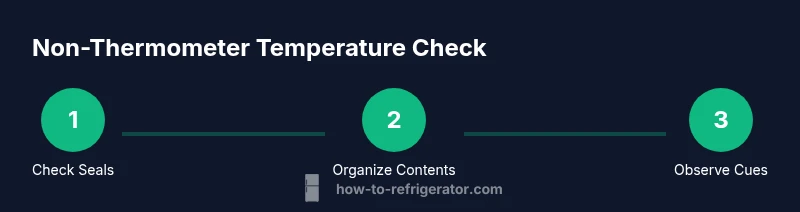
You can estimate your fridge’s temperature without a thermometer by observing food quality, ice behavior in the freezer, and door seal performance. Use a simple, repeatable observation routine and cross-check with a thermometer if you have one later. Below is a practical, step-by-step approach to get reliable, near-accurate readings without specialized gear.
Why accurate fridge temperature matters
Maintaining the right fridge temperature is essential for safety and freshness. When your refrigerator runs too warm, perishable foods risk rapid bacterial growth, while excessive cooling wastes energy and can cause frost buildup or unnecessary wear on the compressor. The How To Refrigerator team emphasizes consistent temperatures to protect food quality and extend appliance life. According to How To Refrigerator analysis, many households underestimate how small changes in door usage or layout can shift temperatures, so a deliberate check routine helps keep your unit efficient and safe. In practice, aim for a stable chill on the middle shelves with minimal temperature variation between the top and bottom sections. This reduces the chances of spoiled dairy, wilted greens, and spoiled leftovers while lowering energy bills over time.
- Quick reminder: this article focuses on non-thermometer methods you can perform today, with a note that a calibrated thermometer is the most reliable tool for confirmation. If you do own a thermometer, insert it in the center of the fridge away from the door and large air gaps for an accurate read. The goal is a repeatable process that lets you spot potential problems before they become costly repairs.
Quick, non-thermometer checks you can do today
There are several observable cues you can use to estimate whether your fridge is operating in a safe, efficient range. While none of these substitutes for a proper thermometer, they give you a practical sense of how well your fridge is cooling and where to focus maintenance.
-
Observe dairy and produce: Fresh milk should stay firm and not show souring or separation more quickly than usual. Soft cheeses should retain texture, and leafy greens should stay crisp. If you notice rapid wilting or color changes, your fridge may be running warmer than recommended.
-
Check for frost and condensation: Excess frost on inner walls or heavy condensation on shelves can indicate airflow issues or door seal leaks. Conversely, a frost-free freezer should have clear, solid ice rather than a slushy or melted layer.
-
Listen for cycling noise: A noisy, constantly running compressor often signals poor insulation or overcrowding. A fridge that cycles on and off with long pauses may be maintaining temperature more efficiently, but persistent short cycles can point to airflow or thermostat issues.
-
Door habit and organization: Overpacking or blocking vents slows air circulation, leading to warmer interior zones. Keep a clear path around vents and avoid stacking items directly in front of them.
-
Light test (optional): When you open the door, ensure the interior light is clearly visible and no warm air spills back in excessively after closing. This is a crude proxy; if the light stays on for long periods, doors may not seal properly.
-
Safety note: These cues are provisional and meant to guide maintenance. If you notice persistent warm spots or unsafe food signs, address the issue promptly and consider using a thermometer for a precise reading. The goal is to establish a routine you can trust.
Understanding ice behavior and the freezer as a reference
The freezer region provides a helpful internal barometer. A properly functioning freezer should keep ice solid and form a firm, not slushy, structure. If ice is soft or melts quickly, that can signal a temperature rise in the fridge portion or frozen section—sometimes due to door leaks, high humidity, or frequent door openings. Let’s translate this into action:
- Ice stability check: Drop a few standard ice cubes into a shallow tray in the freezer and monitor for 60–120 minutes. If ice remains well-formed, it suggests the freezer is cooling effectively; if cubes begin to soften or melt, there may be a temperature drift affecting both compartments.
- Mulled signs in food: For example, a sudden change in the texture of ice-cream or a chalky finish on frozen vegetables can indicate temperature fluctuations. Track these cues over a week to identify patterns.
- Ice maker cues: If your ice-maker produces irregularly shaped cubes or slow ice production, it can reflect suboptimal freezer temperatures or improper water pressure. While not a direct temperature readout, it’s a practical symptom you can address with maintenance.
These observations give you tangible indicators without a thermometer. Combine them with routine checks for door seals, airflow, and organization to form a comprehensive non-instrumental gauge of temperature stability.
How to interpret observational cues and decide next steps
Interpreting the cues above requires a structured mindset. Create a simple scorecard to track your observations across several days and look for consistent patterns rather than single outliers. If milk shows signs of off-flavor or early spoilage, or if you notice noticeably slower ice formation in the freezer, prioritize a more precise check with a thermometer and inspect for root causes such as door seals, gaskets, or overfilled shelves. If you identify a clear airflow problem (blocked vents, heavy door drafts, or an overcrowded fridge), the remedy is usually to reorganize items, clear vents, and reduce door openings during peak hours. In cases of consistent warmth despite proper door closure, consider water line issues, thermostat faults, or insulation problems and contact a repair professional.
- Documentation helps: Record dates, observed cues, and any changes you make. This habit makes it easier to diagnose recurring issues and communicate clearly with service professionals if needed.
- When to escalate: If any perishable item shows rapid spoilage, or if you suspect a mechanical fault after a few weeks of checks, don’t postpone a professional evaluation. The goal is early detection and timely repair to avoid food waste and energy waste.
Maintenance actions to improve consistency and reliability
Consistent performance comes from proactive maintenance. Even without a thermometer, you can create a more stable environment by focusing on airflow, insulation, and door integrity. Start with simple fixes, then move to more involved checks as needed.
-
Promote airflow: Keep at least a few centimeters of clearance around vents, avoid stacking items directly in front of the vents, and don’t block the freezer’s cold air return path. A tidy interior reduces temperature variation across shelves.
-
Check door seals regularly: A torn or stiff gasket can let warm air sneak in every time the door opens. Test the seal by closing the door on a sheet of paper; if you can pull the paper out easily, the seal may need replacement.
-
Regulate door usage: Minimize door openings, especially during hot days or when you’re busy. Each opening introduces warm air that the compressor must counteract, influencing overall temperature stability.
-
Clean condenser coils: If accessible (on many models, located behind or beneath the unit), clean coils twice a year to maintain efficient cooling. Dust and grime act as insulating layers that hamper heat transfer.
-
Space temperature zones: Group foods by cooling needs and avoid storing hot or warm items beside highly perishable goods. This practice helps maintain a more even temperature across shelves.
-
Seasonal awareness: In hot climates or during cooling season changes, you may notice different cooling demands. Adjust organization and door habits accordingly to preserve a safe internal environment.
-
Caution: If you identify a compromised seal, damaged insulation, or abnormal noises, address these issues promptly. While non-thermometer methods can help you monitor, professional service is often the safest route for persistent problems.
Quick monthly routine to keep your fridge in check (without a thermometer)
Set aside time once a month for a brief, reproducible check. This routine helps you catch early drift before it affects food safety or energy use. Follow these steps:
- Inspect door seals all around the door for cracks or gaps; wipe residues that can impede sealing. 2) Confirm vents are free from obstructions by removing a few items and inspecting that air can circulate. 3) Review your last week’s observations of dairy, produce, and frozen items; note any deviations. 4) Reorganize contents to improve airflow and reduce door-to-air contact. 5) If you still feel unsure about the actual temperature, consider using a thermometer temporarily to confirm the baseline, then rely on the cues for ongoing monitoring.
This monthly cadence reduces the chance of unseen issues slipping through and keeps maintenance straightforward and actionable.
What to do if observations suggest a warm fridge or inconsistent cooling
If observations consistently point to warmth or fluctuating performance, prioritize a thermometer check to confirm the temperature and locate the problem area. If you don’t have a thermometer, contact a repair technician for a precise assessment. In the meantime, implement immediate mitigations: limit door openings, avoid overloading shelves that restrict airflow, and ensure the condenser coils are clean. Remember that food safety matters more than convenience, so err on the side of caution and act promptly if perishable items show signs of spoilage or if you suspect a fault in the cooling system.
Final tips for homeowners
- Keep a simple log: Date, observed cues, and actions taken. This history helps you track trends and communicate clearly with professionals.
- Use the non-thermometer cues as a first-pass diagnostic tool, but rely on a calibrated thermometer for accurate readings.
- If you can't sustain consistent cooling despite adjustments, seek professional assessment promptly to avoid waste and foodborne illness.
- How To Refrigerator's recommended approach blends practical observation with proactive maintenance, helping homeowners keep their fridges running efficiently and safely.
Tools & Materials
- Notebook and pen(Record observations, times, and actions taken.)
- Clock or timer(Track waiting periods for observable cues (e.g., ice behavior).)
- Fridge-safe thermometer (optional)(Use to confirm readings later; not required for the guide.)
- Flashlight(Inspect seals and vents without removing too many items.)
- Cleaning cloth(Wipe spills and dust from gaskets and coils.)
Steps
Estimated time: 30-60 minutes
- 1
Prepare observation setup
Gather your notebook and timer, clear space on a middle shelf, and ensure the fridge has been closed for a few minutes to stabilize. This baseline helps you interpret cues more accurately.
Tip: Label today’s check and date it in your log for consistency. - 2
Inspect door seals and airflow
Examine gaskets for cracks and test closure with a paper slip or light, ensuring no air leaks. Check vents to confirm unobstructed airflow around stored items.
Tip: Fix obvious gasket damage or move items away from vents to improve cooling. - 3
Assess food cues and fog
Look for signs of warming in dairy, produce, and leftovers; note shelf fog, condensation patterns, and how quickly items lose crispness when the door opens.
Tip: If produce wilts quickly, expect a warmer interior; reorganize to boost air circulation. - 4
Evaluate freezer cues
Check that ice remains solid and that the freezer isn’t slushy. Ice anomalies can indicate overall temperature drift affecting both compartments.
Tip: A stable freezer is a good proxy for consistent fridge temperatures. - 5
Record observations and compare
Log each cue with a date and whether it indicates adequate cooling. Compare notes across multiple days to identify patterns rather than isolated events.
Tip: Create a simple scoring system (e.g., 1–5) for your cues to quantify trends. - 6
Decide on next steps
If cues indicate persistent warmth or inconsistent cooling, use a thermometer for a precise check or call a professional for a diagnostic.
Tip: Document any maintenance you perform so you can replicate successful fixes.
FAQ
Can I rely on non-thermometer cues for food safety?
Non-thermometer cues are useful for early warning signs but are not a substitute for a calibrated thermometer. If you suspect unsafe temperatures, verify with a thermometer and adjust as needed.
Non-thermometer cues are good for early warning, but use a thermometer to confirm safety if in doubt.
What should I do if I notice signs of warming?
Reduce door openings, reorganize contents for better airflow, and consider a thermometer check to pin down the issue. If signs persist, contact a professional.
If you notice warming, cut down door openings and check airflow; verify with a thermometer if possible and call a pro if it continues.
How often should I perform these checks?
Do a quick non-thermometer check monthly, and perform a thermometer-based reading quarterly or after any major appliance changes.
Do quick checks every month and a thermometer check every few months or after big changes.
Is it okay to ignore small fluctuations?
Small, occasional fluctuations are common, but repeated trends toward warmth warrant investigation and possible maintenance.
Tiny fluctuations happen, but repeated warmth needs attention.
Can these methods replace a professional inspection?
These methods help you monitor and maintain, but they do not replace a professional diagnosis for persistent issues.
They help you monitor; for ongoing issues, a professional check is best.
What if I don’t have a thermometer at all?
Rely on consistent maintenance, door seal checks, and airflow improvements. If issues persist, obtain a thermometer for precise readings.
If you don’t have a thermometer, focus on maintenance and call a pro if problems persist.
Watch Video
Top Takeaways
- Establish a repeatable observation routine.
- Door seals and airflow drive temperature stability.
- Use freezer cues as a practical proxy for overall cooling.
- Document observations and escalate if issues persist.