How Much Refrigerator Temperature Matters for Safe Food Storage
Learn the optimal fridge temperature, how to measure it accurately, and practical steps to prevent spoilage and save energy.


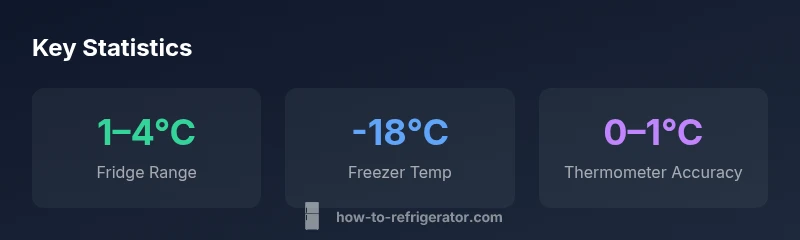
The recommended refrigerator temperature for safe food storage is 1–4°C (34–39°F), with the freezer at -18°C (0°F). Temperature accuracy matters because small deviations can speed spoilage or cause bacterial growth. Use a calibrated thermometer, minimize door openings, and check settings after grocery runs or power outages. Keep a spare thermometer in the crisper drawer for periodic checks during busy seasons.
Understanding Refrigerator Temperature Ranges
For many homeowners, the question how much refrigerator temperature is optimal is a blend of science and daily habit. According to How To Refrigerator, the baseline for the main compartment is to keep it between 1 and 4°C (34–39°F). This range reduces the risk of bacterial growth and helps preserve dairy, meat, and produce. The exact number matters because a 1–2°C swing can change how quickly foods deteriorate, especially in warm kitchens or during busy weeks. Start by labeling shelves and moving frequently used items toward the back where temperatures are most stable. If you can, place a thermometer in the center of the fridge so you can glance at the reading without opening the door. Small steps—like avoiding warm items at the front—add up over days and weeks.
Why Temperature Accuracy Matters for Food Safety
Temperature accuracy is more than a number on a dial; it is a health safeguard for your household. When temperatures rise above the safe zone, dairy can spoil faster, leafy greens wilt, and cooked leftovers become risky to eat. Conversely, temperatures that are too cold can cause ice crystals in produce and dry out foods. Even a single degree change can alter the rate of microbial growth. How To Refrigerator recommends maintaining the main compartment within the 1–4°C range, and auditing it with a calibrated thermometer at least monthly, or after changes in home usage such as new appliances or a longer vacation. Consistency beats occasional fast drops in the sensor reading.
How to Measure Temperature Accurately at Home
Accurate measurement begins with placement and equipment. Use a high-quality thermometer designed for refrigerated use, and position it in the center of the middle shelf away from the back wall and the door seal. Avoid placing the thermometer near the light bulb or the crisper where airflow is not representative. Record readings at the same time each day (e.g., after lunch) for a week to establish a baseline, then check after door openings or after loading groceries. If you notice readings drifting, recalibrate or replace the thermometer. Keep a spare thermometer handy in the kitchen for cross-checks during holidays or busy seasons.
Setting and Maintaining the Right Temperature
To establish and sustain the target range, begin with your existing thermostat and verify that the fridge is operating properly. Organize the interior to promote air circulation: avoid stacking items all the way to the top, keep liquids capped, and allow space around containers so cold air can flow. Close the door quickly and minimize the time the door is open during loading. When you reset the temperature, give the unit 24 hours to stabilize and recheck with a thermometer on the middle shelf. If your model supports separate compartments, use the middle or upper shelves for ready-to-eat foods and dairy, and keep meat on the bottom shelf to reduce cross-contamination risk.
Common Pitfalls and How to Fix Them
Several common habits can push temperatures out of the safe range: frequent door openings, placing hot foods directly into the fridge, overloading shelves, and placing warm or large items near the door or rear fan. Fixes are simple but effective: train family members to limit door openings, let hot dishes cool to room temperature before refrigerating, and rearrange items so air can circulate. If you notice frost buildup or an unusual odor, it may indicate a seal issue or defrost problem. Regular gasket checks and defrost maintenance improve temperature stability over time.
Seasonal and Usage Scenarios: Power Outages, Busy Kitchens, and Holidays
During power outages, keep doors closed as much as possible; a full freezer can hold temperatures for roughly 48 hours, while a full fridge stays cool for about 4 hours. In hot kitchens or during holidays when you open the fridge frequently, temperatures can drift upward even with a healthy appliance. In such cases, move most perishables to the colder portion of the freezer if available, or discard items approaching the safe limit. After the outage, inspect dairy, meat, and prepared foods for signs of spoilage and re-check temperature with a thermometer before returning items to the fridge.
Quick Troubleshooting Checklist for Temperature Issues
- Check the thermometer accuracy and reposition if needed.
- Confirm the fridge is set to 1–4°C and the freezer to -18°C.
- Inspect door seals and clean gaskets to prevent air leaks.
- Keep doors closed and minimize door openings.
- Ensure there is enough space around items for air circulation.
- Monitor temperatures regularly and document changes.
Key temperature guidelines for fridge and freezer
| Aspect | Recommended Setting | Notes |
|---|---|---|
| Fridge Temperature | 1–4°C (34–39°F) | Baseline for fresh foods and dairy |
| Freezer Temperature | -18°C (0°F) | Keeps frozen goods safe for months |
| Thermometer Placement | Center shelf away from walls | For accurate readings |
| Door Usage | Minimize openings | Stabilizes temperature |
FAQ
What is the safe temperature range for a standard refrigerator?
Most appliances should be kept at 1–4°C (34–39°F). This helps slow bacterial growth and keeps dairy and produce fresh longer.
Keep your fridge between 1 and 4 degrees Celsius for safety.
Why does my fridge feel warmer after I added groceries?
Adding warm items can raise internal temps temporarily; allow hot foods to cool before refrigerating when possible.
Warm groceries can nudge temps up; let them cool first.
How often should I check my fridge temperature?
Check at least once a week or after power outages; use a thermometer on the middle shelf for an accurate read.
Check weekly or after outages.
Can temperature vary between different fridge models?
Yes, some models run warmer or cooler; follow the manufacturer's recommended range in the manual.
Different fridges vary; read your manual.
What should I do during a power outage to protect food?
Keep the doors closed; a full freezer can keep its temperature for about 48 hours, a full fridge about 4 hours.
Keep doors closed; full freezer lasts longer.
Is 37°F safe for a fridge?
37°F (3°C) is within range, but aim for 34–39°F; use a thermometer to verify.
37 degrees is okay, but stay in the 34–39 window.
“Stable, properly set temperatures are a foundational defense against foodborne illness and waste.”
Top Takeaways
- Set fridge to 1–4°C (34–39°F) and freezer to -18°C (0°F).
- Use a calibrated thermometer for accurate readings.
- Keep doors closed to stabilize temperatures.
- Check temperatures after power outages or grocery runs.
- Schedule routine checks and maintenance to prevent spoilage.