GE Cafe Refrigerator Repair: A Homeowner's Step-by-Step Guide
A homeowner-friendly guide to diagnosing and repairing GE Cafe refrigerators, with step-by-step diagnostics, safety tips, tools, and when to call a pro. Learn practical fixes for common cooling and door-seal issues.


You will learn to diagnose and repair common GE Cafe refrigerator issues safely at home, with practical steps tailored to these models. This quick guide covers cooling problems, coil and seal inspection, control testing, and when to call for professional service. It emphasizes model-specific considerations and always prioritizes safety. Follow the steps below for a structured DIY approach.
Overview of GE Cafe Refrigerator Repair
GE Cafe refrigerators combine stylish stainless finishes with advanced cooling systems. When they malfunction, homeowners face a choice: attempt simple fixes or call a technician. This GE Cafe refrigerator repair guide is written for homeowners who want to understand the typical failure modes, perform safe inspections, and decide when to seek professional service. According to How To Refrigerator, understanding the model's layout and electrical safety is essential before touching any components. The How To Refrigerator team found that many common issues stem from clogged defrost drains, dirty condenser coils, or worn door seals rather than expensive compressor failures. By focusing on the most common culprits first, you can often restore cooling without expensive downtime. This article uses clear, actionable steps, model-specific considerations, and safety-first instructions to help you diagnose and fix non-destructive problems. It also highlights when to pause and call a pro, and how to track repairs for future maintenance. Readers will gain confidence to handle routine tasks while safeguarding critical components.
Understanding GE Cafe Series Refrigeration System
GE Cafe refrigerators employ a sealed refrigeration system that relies on an evaporator coil, condenser coil, compressor, thermostat, defrost timer, and several protective relays. The exact configuration can vary by model design (French-door, side-by-side, or top/bottom freezer), but the fundamental principles stay consistent: heat is removed from the interior, and excess heat is expelled via the condenser. The airflow paths inside the cabinet influence cooling efficiency, as blocked vents or frost buildup can create warm zones even when the compressor runs. For homeowners, a solid grasp of these components helps prioritize troubleshooting steps and avoids unnecessary disassembly. Remember, model-specific diagrams are your best friend, and a good service manual will spell out connector locations and torque specs. How To Refrigerator emphasizes consulting your model’s wiring diagram before probing electrical connections to prevent shorts or shocks.
Common GE Cafe Issues and Likely Causes
Not cooling or warm compartments are among the top GE Cafe refrigerator repair calls. Frost buildup in the freezer can indicate a defrost system issue or a blocked defrost drain, while constant running may point to dirty condenser coils or a faulty condenser fan. Leaks around the door seals often stem from worn gaskets or misaligned doors, which allow warm room air to enter and force the compressor to work longer. Noisy operation can come from a failing fan, an unbalanced unit, or a loose back panel. By mapping symptoms to likely causes, homeowners can perform focused checks without risking the sealed refrigerant system. The How To Refrigerator team notes that most fixes are non-invasive and model-specific, so start with cleaning and gasket inspection before replacing major components.
Safety First: Electrical, Refrigerant, and Handling Precautions
Working on a GE Cafe refrigerator requires respect for electrical safety and refrigerant handling. Always unplug the unit before inspecting interior components or accessing service panels. Do not attempt to vent refrigerants or perform pressure tests on sealed systems; this is dangerous and often illegal without proper certification. Use insulated tools and wear eye protection when working near fan blades or exposed metal parts. If you smell ozone, hear hissing sounds, or notice oil traces around seals, stop immediately and seek professional service. This section prioritizes a conservative approach: keep the cooktop and living area clear of moisture, and never bypass safety interlocks. By adhering to basic precautions, you reduce the risk of electric shock, burns, or refrigerant exposure while you troubleshoot common issues like defrost drain clogs or frost on the coils.
Diagnostic Checklist You Can Do At Home
Begin with a systematic visual and sensory review. Check that the unit is level and that the doors close fully with minimal effort. Verify the thermostat setting is appropriate for your climate and family usage. Inspect the exterior seal for cracks, stiffness, or gaps, and test door alignment. Clean the condenser coils if dusty and ensure the back of the unit has adequate clearance for airflow. Listen for unusual noises that might indicate a loose fan blade or a failing compressor. Check the defrost drain for clogs by gently flushing with warm water and looking for standing water in the drain pan. Keep a log of symptoms, time of day, and any changes after cleaning or reseating components—this helps identify recurring patterns or intermittent faults. According to How To Refrigerator analysis, many homeowners resolve not-cold conditions by addressing airflow and defrost issues first.
Common Fixes You Can Attempt Before Calling a Technician
Start with the simplest, non-invasive fixes: clean the condenser coils, clean or replace weather seals, and ensure the door closes properly. If frost forms, perform a safe defrost by turning the unit off, unplugging, and allowing any ice to melt; never use hot water or heaters to speed up defrost. Re-seat any loose connections you can access through service panels and verify that the fan operates when the compressor is running. For noise issues, tighten screws mounting the condenser and fans, and check for obstructions in the airflow path. Avoid attempting repairs that involve the sealed refrigerant circuit, high voltage components, or the compressor itself—these require accredited service.
Tools, Parts, and When to Replace vs Repair
This section helps you decide between simple repairs and more significant component replacements. If the not-cold condition persists after coil cleaning and gasket replacement, you may need to consider a component replacement like a temperature sensor, defrost timer, or even a faulty relay. Replacement parts should be model-specific; consult your GE Cafe service manual for part numbers and compatibility. Always weigh the cost and downtime of DIY parts against professional service, especially if labor costs approach or exceed the price of a new unit. The decision to repair or replace depends on the age of the appliance, the likelihood of recurring failures, and your comfort level with disassembly and electrical testing. For most homeowners, basic coil and gasket work plus careful monitoring of performance is a practical first step.
Step-By-Step Troubleshooting Path for GE Cafe Refrigerators
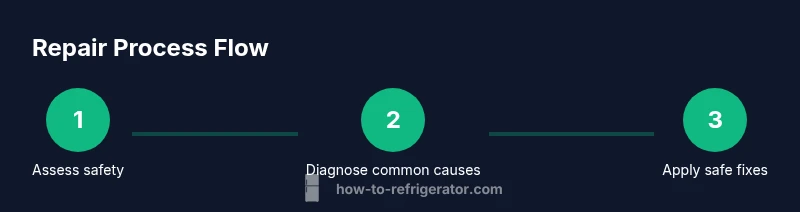
This section presents a concise pathway to diagnose common problems with structured, non-destructive checks. Start with power and thermostat validation, then inspect airflow and external seals. If cooling remains weak, clean the coils and verify operation of the condenser fan. Should ice buildup or frost appear, inspect the defrost drain and timer. If the compressor or start relay seems suspect, refer to the model-specific wiring diagram before testing with a multimeter. This guide avoids sealed system interference and focuses on tasks safe for DIY homeowners. Remember, the full, detailed steps are provided in the dedicated Step-by-Step section below for precision and safety. For more complex issues, contact a GE-certified technician.
Tips for Preventive Maintenance and Longevity
Preventive maintenance reduces the chance of major GE Cafe refrigerator repair late in life. Schedule regular coil cleaning, gasket inspection, and door alignment checks every 6–12 months, depending on usage. Keep the area around the unit clear for proper airflow and ensure the defrost drain remains unobstructed. Use quality interior lighting and avoid overloading shelves, which can stress seals. Finally, log any repairs and part replacements so you can spot recurring patterns and plan proactive maintenance rather than reactive fixes.
How To Use This Guide Effectively
This guide is designed for homeowners who want a practical, model-sensitive approach to GE Cafe refrigerator repair. Start with safety and basic checks, progress to non-invasive fixes, and consult the manual for model-specific recommendations. When in doubt, prioritize safety and professional service, especially for refrigerant or high-voltage tasks. By following the steps outlined here, you’ll build confidence in your ability to diagnose and address common problems while keeping the risk of damage to a minimum.
Tools & Materials
- Multimeter(to test electrical components like relays and fuses)
- Screwdrivers (Phillips & flat-head)(for removing panels and hardware)
- Nut driver or socket set(for compressor and connection hardware)
- Condenser coil brush or small vacuum(to clean coils; reduce heat load)
- Replacement interior light bulbs (LED)(if the interior light fails)
- GE Cafe service manual (model-specific)(for wiring diagrams and exact parts)
- Protective gloves and safety glasses(personal protection during repairs)
Steps
Estimated time: 45-90 minutes
- 1
Power down and unplug
Before touching any components, unplug the refrigerator to eliminate shock risk. If you must move the unit, switch off the breaker and disconnect the cord at the wall. Use an insulated tool if you need to reach inside the back panel. Allow at least a minute for residual charge to dissipate and note the model for reference.
Tip: Label any connectors you disconnect and take a quick photo to aid reassembly. - 2
Open access panels and locate key components
Remove the back access panel or any service door on the interior that exposes the evaporator, condenser, fan, and wiring. Visually inspect for loose connections, burnt marks, or obvious damage. If a connector feels loose, reseat it firmly. Do not force any plug or wire; if it resists, stop and reassess.
Tip: Keep track of screw sizes and where each panel came from. - 3
Inspect door seals and defrost drain
Check gaskets for cracks, stiffness, or gaps. Clean the sealing surface with a mild detergent and dry thoroughly. For frost issues, locate and clear the defrost drain path using warm water and a flexible brush. Do not pour hot water onto cold components, which can damage plastics.
Tip: A worn gasket is a cheap fix that can prevent efficiency losses. - 4
Check condenser coils and clean
Power off and unplug the unit before accessing the coils located behind or beneath the refrigerator. Use the brush or small vacuum to remove dust buildup. Re-check airflow around the unit and ensure the condenser fan spins freely. After cleaning, let the unit resume normal operation for at least 30 minutes before testing cooling performance.
Tip: Do not bend fins; use a tool designed for coil cleaning. - 5
Test the compressor start relay with a multimeter
If you suspect a start relay issue, isolate the component from the wiring harness and test for continuity or resistance per the model wiring diagram. Compare readings to the acceptable range in your manual. If you find an open circuit or abnormal readings, replacement is typically required and should be performed with a compatible part.
Tip: Only perform this step if you have model-specific guidance and the proper parts. - 6
Reassemble, restore power, and monitor performance
Reattach all panels, reconnect cables, and plug the unit back in. Set the thermostat to a mid-range position and observe freezing behavior for 24 hours. If performance returns to spec, note the steps you completed for future reference; if not, escalate to a professional with your diagnostic notes.
Tip: Keep a repair log with dates and symptoms for ongoing maintenance.
FAQ
What are the most common GE Cafe refrigerator problems?
Not cooling, frost buildup, leaks, and noisy operation are among the frequent issues. Diagnosing these often involves checking airflow, defrosting, seals, and simple electrical components rather than the sealed refrigerant system.
Not cooling, frost buildup, leaks, and noise are common GE Cafe refrigerator problems. Start with airflow, defrost, seals, and basic electrical checks.
Can I fix a GE Cafe refrigerator myself?
Yes, for simple tasks like cleaning coils and inspecting door seals. More complex electrical or refrigerant issues should be handled by a professional, especially if warranty or certification is involved.
DIY fixes work for simple tasks, but for electrical or refrigerant problems, a professional should handle it.
When should I call GE support or a local repair service?
If the unit is under warranty, or if you encounter sealed-system problems, persistent cooling issues after basic checks, or unusual noises, contact GE support or a licensed technician.
If you’re unsure or the problem involves the sealed system, call a professional.
What maintenance helps prevent future GE Cafe problems?
Regular coil cleaning, door seal checks, proper defrost drainage, and keeping the unit level all contribute to longer life and fewer breakdowns.
Regular coil cleaning and seal checks can prevent many problems.
Are GE Cafe repair parts expensive?
Part costs vary by model and component. Labor costs depend on the technician and local rates; sometimes replacing a unit is more economical given age and warranty considerations.
Parts vary; labor costs depend on the job and location.
Is it safe to use a multimeter on a refrigerator?
Yes, when you disconnect power and follow model-specific guidelines. Avoid touching live circuits and never test while the appliance is plugged into power.
Yes, with caution—always disconnect power first.
Watch Video
Top Takeaways
- Follow safety first for all DIY GE Cafe repairs
- Start with coils and seals before heavier fixes
- Use model-specific manuals for accurate diagnostics
- Document steps and maintain a repair log
- Call a pro for refrigerant or compressor issues