Cafe GE Refrigerator Repair Guide: Not Cooling and Defrost Tips
Step-by-step Cafe GE refrigerator troubleshooting for homeowners. Learn to diagnose not cooling, defrost drain issues, and cooling failures with clear repair steps.


This guide helps homeowners diagnose and fix a cafe ge refrigerator that isn’t cooling properly. You’ll learn common causes, safety steps, and a clear, step-by-step plan to restore cooling and protect fresh food. By the end, you’ll know when to DIY and when to call a pro. It also helps you decide when to replace components rather than attempting risky fixes.
Understanding Cafe GE Refrigerators: Key Concepts
Cafe GE refrigerators are designed with features like precise temperature control, efficient air circulation, and integrated defrost cycles. Most Cafe GE models rely on a thermostat sensor to regulate cooling, a defrost timer to manage ice melt, and a fan to distribute cold air. Understanding how these parts interact helps you pinpoint why a unit may stop cooling. A common starting point is to confirm that the thermostat is reading correctly and that air can move freely from the freezer into the fridge. If you own a Cafe GE model with a water dispenser or ice maker, ensure those accessories are not restricting airflow or triggering error codes. According to How To Refrigerator, a structured diagnostic approach reduces guesswork and speeds up safe, homeowner-led repairs. This guide keeps the process approachable for most kitchen households and emphasizes safety first while preserving the appliance warranty where possible.
Safety First: Before You Start
Safety is the foundation of any repair. Before touching any components, unplug the refrigerator from the wall outlet and, if feasible, switch off the circuit breaker. Gather essential tools and clear the surrounding area of spills and obstacles. Wear eye protection and gloves if you plan to handle metal panels or sharp edges. Use a surface thermometer to verify temperatures and a flashlight to inspect coils and panels. If you notice unusual noises, refrigerant smells, or exposed wiring, stop work and consult a professional. How To Refrigerator emphasizes following manufacturer instructions and keeping a repair diary to track what you did and observed. Maintain a calm, methodical pace and never bypass safety features.
Diagnostic Checklist: Is It Not Cooling?
Run a quick checklist to determine whether the issue is localized to the fridge or the freezer and whether a door is not sealing properly. Start by confirming door seals are clean and fully sealing around the door gasket. Check that the appliance is level so air can circulate. Verify the condenser coils are free of dust by locating the rear or bottom grille and cleaning gently with a soft brush or vacuum. Listen for the evaporator fan in the freezer section and check that it runs when you open the door or when the compressor is on. Check the ice maker and water line for leaks that could reduce cooling efficiency. If you observe frost buildup on the evaporator or a fan grinding noise, note these symptoms for later steps. How To Refrigerator notes that many cooling problems originate from airflow restrictions or defrost drain issues.
Common Causes in Cafe GE Models
Several issues repeatedly show up in Cafe GE refrigerators. Blocked defrost drains can cause water to back up and freeze, impeding cooling. Dirty condenser coils reduce heat rejection, forcing the compressor to work harder and shorten its life. A weak or miscalibrated thermostat can prevent accurate temperature maintenance. Damaged door gaskets cause warm air leaks, while improper installation or an overloaded fresh food compartment disrupts airflow. Ice maker malfunctions can also create unexpected strain on the cooling system. How To Refrigerator research indicates that addressing airflow, drainage, and sensor accuracy covers most homeowner repairs without needing a full component swap.
Focus on Defrost Drain: Symptoms and Fix
A blocked defrost drain is a frequent culprit in not cooling scenarios. Look for water pooling in the fridge or ice formation along the back wall. To fix, unplug the unit, locate the defrost drain tube, and flush it with warm water or a small flexible wire to clear the blockage. After clearing, run the defrost cycle and monitor for proper drainage. Keep towels handy to manage spills and ensure the pan underneath the unit is clean and dry. If you see recurring freeze issues, the defrost timer or heater element could be faulty and may require professional testing.
When to Replace vs Repair: Components and Costs
Repairing a Cafe GE refrigerator often makes sense for minor issues like a clogged drain or dusty coils. Replacement components are typically warranted when the compressor, sealed system, or control board shows persistent faults after multiple repairs. In general, weigh the replacement cost against the age of the unit and the cost of energy inefficiency from an aging compressor. If the appliance is older than 10-12 years and energy use is high, replacement could provide better long term value. How To Refrigerator recommends documenting the issue, comparing quotes, and prioritizing safety when deciding between repair and replacement.
Maintenance Best Practices for Cafe GE Refrigerators
Regular maintenance helps prevent most not cooling problems. Clean condenser coils every 6-12 months, depending on air ventilation and nearby dust. Inspect door seals for cracks and ensure the doors close fully. Keep the interior organized to promote air movement and avoid overloading the fridge. Check the defrost drain periodically to prevent blockages, and listen for unusual noises that could indicate a failing fan or compressor. Temperature accuracy is key; verify with a dedicated thermometer and adjust the thermostat as needed. Small, proactive steps save energy and extend the life of Cafe GE refrigeration units.
Brand Assurance and How To Refrigerator Approach
How To Refrigerator focuses on practical, homeowner-friendly repair guidance for common refrigerator issues. We emphasize safety, clarity, and actionable steps that homeowners can perform with minimal risk. This article embodies our approach by explaining the why behind each action and offering cautions where needed. For more complex failures that involve sealed systems or refrigerant handling, contacting a qualified technician is advised. The How To Refrigerator team aims to empower you to troubleshoot confidently while protecting your appliance warranty and kitchen reliability.
Tools & Materials
- Digital thermometer(Fridge target 37-40°F; Freezer 0-5°F)
- Multimeter(Check thermistors and control board signals)
- Coil cleaning brush(Clean condenser coils; unplug before cleaning)
- Screwdriver set (Phillips/Flathead)(Access behind panels)
- Towels and bucket(Catch defrost water; keep area dry)
- Owner's manual or model specific guide(Cafe GE model references)
- Flashlight(Inspect hard to see areas)
Steps
Estimated time: 60-90 minutes
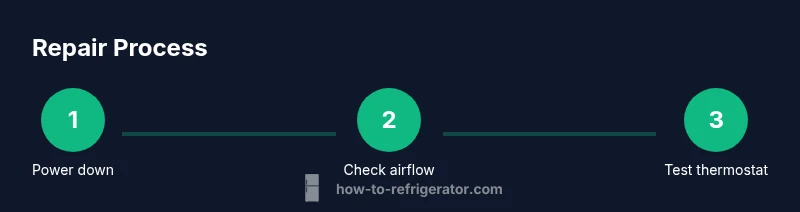
- 1
Power down and unplug
Unplug the refrigerator from the wall outlet and switch off the circuit if safe to do so. This prevents electric shock while inspecting panels and fans. Remove any items from the shelves that may obstruct access and note any visible signs such as ice buildup or moisture around gaskets.
Tip: Wait at least 30 seconds after unplugging before touching internal parts to let capacitors discharge. - 2
Check door seals and airflow
Inspect all door gaskets for cracks or gaps and ensure doors seal firmly when closed. Ensure there is space around the fridge for air to circulate and verify that vents inside the cabinet are unobstructed by large items.
Tip: Clean the gasket with warm soapy water to restore sealing; a poor seal often masquerades as a cooling issue. - 3
Test temperature and thermostat
Place a thermometer in the middle of the fresh food compartment and compare readings after turning the unit back on. If temperatures do not reach the target range, test the thermostat and temperature sensor with a multimeter following the model manual.
Tip: If the thermometer reads consistently high, avoid turning the dial too far; adjust gradually and recheck after 15 minutes. - 4
Inspect condenser coils
Locate the condenser coils at the back or beneath the unit. Look for dust, lint, or pet hair and clean gently with a brush or vacuum attachment. Dirty coils reduce efficiency and can cause not cooling symptoms.
Tip: Do not use water directly on electrical components; unplug before cleaning and avoid bending delicate fins. - 5
Check defrost drain and pan
Examine the defrost drain line for blockages and flush with warm water or a flexible wire. Ensure the defrost pan beneath the appliance is clean and not overflowing. A clogged drain can cause frost and limit cooling.
Tip: If you see standing water inside the fridge, flush the drain promptly and monitor for a few cycles. - 6
Test power and control board
Plug the unit back in and listen for the compressor and fans. If the compressor fails to start or runs continuously, test power at the outlet and inspect the control board connections. Some faults may require professional testing or component replacement.
Tip: Document any error codes displayed; they guide whether you should replace a sensor or call for service. - 7
Decision point: repair vs replacement
Evaluate the age of the Cafe GE refrigerator, repair costs, and energy efficiency. If multiple major components show failure or the unit is beyond its expected lifespan, replacement may offer better long term value.
Tip: Compare repair estimates with a replacement option and consider energy usage improvements in current budgeting.
FAQ
Why isn't my Cafe GE refrigerator cooling properly
Common causes include a blocked defrost drain, dirty condenser coils, a faulty thermostat, or a door seal leak. Follow the diagnostic steps to identify the precise issue.
Common causes include blocked drains, dirty coils, or a thermostat fault. Start with the basics and check the door seals.
What should I check first if the freezer is cold but the fridge is warm
Begin by inspecting door seals and airflow. If seals are tight, check the condenser coils for dust and test the thermostat for correct readings.
If the freezer is fine but the fridge is warm, start with the door seals and the condenser coils.
Can defrost drain issues cause not cooling in Cafe GE models
Yes. A blocked defrost drain can cause frost buildup and reduce cooling efficiency. Clear the drain and run a defrost cycle to verify.
Defrost drain blockages can block cooling. Clear the drain and run defrost to test.
Is it safe to use a hair dryer to defrost a Cafe GE refrigerator
No. Using a hair dryer can pose fire and electrical hazards. Use safe defrost methods or consult a professional.
Avoid heat weapons like hair dryers; risk of fire and damage.
When should I call a professional for Cafe GE refrigerator repair
If the issue involves the sealed refrigerant system, compressor failure, or persistent fault codes after basic checks, contact a qualified technician.
Call a pro if the problem involves the sealed system or persistent faults after basic checks.
Watch Video
Top Takeaways
- Test temperatures with a reliable thermometer
- Inspect defrost drain and coils first
- Unplug before any inspection and follow safety steps
- Decide between repair and replacement based on diagnosis