g e cafe refrigerator Repair: A Homeowner's Step-by-Step Guide
A homeowner-friendly guide to diagnosing and repairing common issues with the g e cafe refrigerator, including cooling problems, ice maker glitches, seals, coils, and routine maintenance.


This guide helps homeowners diagnose and fix common problems with a g e cafe refrigerator, from cooling issues to ice maker glitches. You'll follow a concise, step-by-step plan to safely inspect seals, clean coils, test thermostat, and verify airflow, with safety tips and clear indications on when to call a pro. No specialized tools required for most fixes.
Understanding the g e cafe refrigerator architecture
The g e cafe refrigerator is built with premium features such as a dual evaporator and adjustable temperature zones. For homeowners troubleshooting issues, knowledge of the basic layout helps you pinpoint where problems originate. Core components you’ll interact with include the condenser coils (often behind a rear access panel), the evaporator fan, the thermostat, door seals, and the defrost system. When a fridge isn’t cooling or runs constantly, the fault often lies in airflow restrictions or a dirty coil. According to How To Refrigerator, most cooling problems start with airflow restrictions. Understanding where to look reduces unnecessary disassembly and prevents accidental damage. In this guide you’ll learn how to identify which subsystem is affected in your g e cafe refrigerator, so you can apply the right fix without guesswork.
Common symptoms and what they signal
Typical signs include: (1) uneven cooling or warm shelves, (2) excessive frost buildup or frost on the evaporator, (3) buzzing or louder-than-normal operation, (4) water pooling inside the fridge or a dripping defrost pan, and (5) ice maker failures. Each symptom points to a likely source: airflow blockage, dirty coils, faulty thermostat, or a malfunctioning defrost heater. By recognizing these patterns, you can prioritize checks and avoid unnecessary replacements. Remember: some indicators may overlap, so approach with a systematic checklist rather than random tweaks. For the g e cafe refrigerator, flawless airflow and clean coils are the most common factors keeping temperatures stable and energy use efficient.
Tools, safety, and preparation for DIY repair
Before you touch any electrical appliance, unplug the unit and move it away from walls to access rear panels, coils, and seals. Gather a basic toolkit: a Phillips head and flathead screwdriver, a small vacuum or brush, a microfiber cloth, a thermometer, and a flashlight. Wear gloves and avoid contact with exposed wiring. Keep a bowl or towels handy for spills. Clear the area around the fridge to prevent tripping hazards. By preparing properly, you reduce risk and speed up your diagnostic process. The goal is to assess safely, then decide if a specialist is needed for high-voltage or sealed-system tasks.
Diagnosing temperature and airflow problems: a practical approach
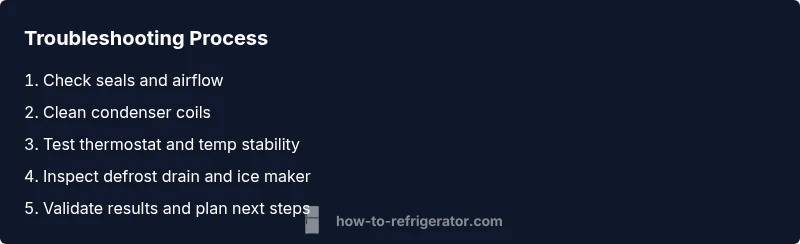
Start with door seals: inspect for gaps or tears and replace if needed. Then test airflow by feeling the back of the unit and the interior vents to ensure cool air circulates freely. Check condenser coils for dust and debris; a clogged coil reduces cooling efficiency and increases energy consumption. Use a thermometer to verify interior temps—aim for around 37-40°F (3-4°C) in the refrigerator and 0°F (-18°C) in the freezer. If temps drift, recalibrate the thermostat, ensuring the damper door moves smoothly. Finally, inspect the defrost system and ice maker line for blockages. Systematic checks like these typically solve most problems with a g e cafe refrigerator before a service call becomes necessary.
Cleaning and maintenance routine to prevent future issues
Establish a simple, regular maintenance schedule: vacuum condenser coils every 3-6 months, wipe door gaskets with mild soap, and clean the interior shelves periodically. Keep the fridge full enough to stabilize temperature (but not overfilled). Check that the drain hole and pan are clear to prevent water buildup. Finally, rotate food items to ensure even cooling and reduce door-opening frequency during peak hours. A consistent cleaning routine improves efficiency and extends the life of your g e cafe refrigerator.
Tools & Materials
- Screwdriver set (PH2 and flathead)(Insulated handles; magnetized bits preferred)
- Vacuum with brush attachment(For cleaning condenser coils and vents)
- Microfiber cloths(For wipe-downs and coil cleaning)
- Thermometer or appliance thermometer(Place in fridge to verify temps (37-40°F))
- Soft brush or painter's brush(Loosen dust from coils without scratching)
- Gloves(Protect hands during inspection)
- Drip pan or towels(Catch spills when defrost drain is tested)
- Model and serial information(Have handy in case a service call is needed)
Steps
Estimated time: 90-120 minutes
- 1
Power down and prep
Unplug the refrigerator and move it away from the wall to access the back panel. Remove items from shelves to prevent spills during inspection. This ensures safety while you examine coils, seals, and wiring.
Tip: Keep a towel handy for any water or condensation. - 2
Inspect door seals
Carefully examine gaskets for cracks, tears, or deformities. A leaky door can drastically affect cooling. Replace damaged seals and clean the surface with mild soap and water.
Tip: Wipe in a circular motion to remove residue that reduces sealing effectiveness. - 3
Check condenser coils
Locate the condenser coils (usually behind the rear kickplate or rear panel). Vacuum away dust and debris; a clean coil improves heat dissipation and efficiency.
Tip: Use short, steady passes; avoid compressing wires or bending coils. - 4
Test airflow
Return power and listen for the evaporator fan. Confirm air moves through vents when the door is closed. If airflow is weak, investigate damper doors and interior vents for blockages.
Tip: After cleaning, recheck airflow by feeling air at several shelves. - 5
Calibrate thermostat
Place the thermometer in the fridge and set the thermostat to mid-range. After 2-3 hours, verify the interior temperature is within 37-40°F. If not, adjust gradually and recheck.
Tip: Do not rely on the door display alone; use an internal thermometer for accuracy. - 6
Defrost drain and ice maker
Check for a clogged defrost drain; clear with a small flexible brush or pipe cleaner. Inspect the ice maker line; ensure it’s connected and free of kinks. Clear any frost buildup in the freezer if present.
Tip: Never pour boiling water into the drain; use lukewarm water and a gentle brush. - 7
Test after reassembly
Reconnect power and monitor performance for several hours. Confirm consistent temperatures and listen for normal operation sounds. If issues persist, proceed to professional service with model data handy.
Tip: Document readings and any observed anomalies to share with a technician. - 8
Know when to call a professional
If the unit still fails to cool properly after these checks, the issue may involve sealed systems or refrigerant. In such cases, contact a qualified technician.
Tip: Have your model number, serial, and service history ready to speed up diagnosis.
FAQ
What is the first step if my g e cafe refrigerator isn’t cooling?
Start with unplugging the unit, checking door seals, and ensuring airflow is unobstructed. Then verify temperatures with a thermometer and inspect coils for dust buildup.
Unplug the fridge, check the seals, and ensure air can circulate. Use a thermometer to verify temps, and clean the coils if dusty.
Can I fix a clogged defrost drain myself?
Yes. Clear the drain with a flexible brush or pipe cleaner and flush with lukewarm water. If frost remains or the line leaks, stop and consult a technician.
You can try clearing the drain with a small brush and lukewarm water, but stop if frost persists.
How often should I clean the condenser coils on a g e cafe refrigerator?
Clean coils every 3-6 months, more often in dusty environments. Regular cleaning keeps temperatures stable and reduces energy use.
Clean the coils every three to six months, or more often if you have a dusty kitchen.
Is it safe to defrost the freezer with a hair dryer?
No. Using a hair dryer can pose a shock and fire risk. Use safer methods like manual defrosting or a warm towel approach if recommended by the manufacturer.
Avoid using a hair dryer; it’s a shock risk. Use safe defrost methods instead.
When should I call a professional for my g e cafe refrigerator?
If cooling remains inconsistent after checks, or you suspect sealed-system issues or refrigerant leaks, contact a qualified technician.
Call a professional if problems persist after the basic checks or you suspect a sealed-system issue.
Will replacing door seals improve cooling efficiency?
Yes, damaged seals allow cold air to escape, reducing cooling efficiency. Replacing them can restore performance, especially if the doors don’t seal tightly.
Replacing worn door seals can restore cooling efficiency and save energy.
Watch Video
Top Takeaways
- Inspect seals and improve airflow first.
- Regular coil cleaning boosts efficiency.
- Use internal thermometer for accurate temps.
- Follow safety steps and call a pro when needed.