GE Profile Fridge Repair Guide: Step-by-Step Fixes
Learn how to diagnose and fix common GE Profile fridge issues with a practical, homeowner-friendly guide. Safe, step-by-step troubleshooting to restore cooling and extend appliance life. How To Refrigerator provides clear, actionable repair strategies.


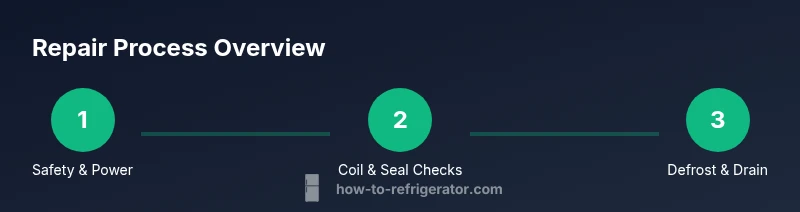
Goal: Diagnose and fix common GE Profile fridge issues safely and effectively. This quick answer previews the homeowner-friendly, step-by-step approach you’ll follow, including safety checks, coil and seal inspections, temperature validation, and when to call a pro. By applying these steps, you’ll restore cooling performance, reduce energy waste, and extend the life of your GE Profile fridge. The guidance emphasizes practical, non-technical actions you can perform at home.
What is a GE Profile fridge?
The GE Profile line represents GE’s higher-end consumer refrigerators, combining advanced controls with sleek design. Models vary from French-door to side-by-side configurations, but they share common features like electronic thermostats, smart sensors, defrost systems, and energy-efficient compressors. For homeowners troubleshooting issues, understanding the general layout and control logic helps you identify likely culprits without needing specialized equipment. In this guide we focus on practical, safe steps you can take in a typical kitchen setting, with emphasis on the core unit commonly referred to as a GE profile fridge. As you work, remember that proper maintenance protects not only cooling performance but overall appliance longevity.
Common GE Profile fridge issues and root causes
Not cooling, frost buildup, water leaks, and unusual noises are the top complaints for GE Profile fridges. The most frequent culprits are dirty condenser coils, worn door gaskets, and incorrect temperature settings. Ice maker jams and defrost drain clogs also cause intermittent cooling problems. Addressing these root causes early reduces energy waste and prevents compressor strain. When diagnosing, keep a consistent checklist to avoid overlooking hidden faults, especially in multi-compartment models where the freezer and fresh-food sections can diverge in behavior.
Diagnosing cooling problems without tools
Safety comes first: unplug the unit before inspecting any internals. Visually check door seals for gaps, listen for the fan, and verify air can circulate around the vents. If you notice frost around the coils or poor airflow, proceed to targeted cleaning and seal checks. A systematic approach—confirm power, check seals, test temperatures, and inspect airflow—covers 90% of common GE Profile fridge cooling issues. Document any changing symptoms to track progress after you re-enable power.
Cleaning condenser coils and improving airflow
Condenser coils trapped with dust choke airflow and raise compressor workload, increasing energy use and temperature variance. Locate the coils (often behind a grille on the back or bottom front) and brush gently to remove dust and lint. Use a coil-cleaning brush or a soft brush attachment, and consider a non-corrosive coil cleaner if buildup is stubborn. After cleaning, ensure there is at least a few inches of clearance around the unit to promote proper heat dissipation and recheck that the fan blade spins freely when powered.
Inspecting doors, gaskets, and seals
A leaky door seals cold air inside and makes the compressor work longer to maintain setpoints. Check for cracks, tears, dents, or stiff hinges. Clean the gasket with mild soap, dry it thoroughly, and perform the dollar-bill seal test: close a dollar bill in the door; if it slides out easily, the seal may be compromised. Replacing worn gaskets can restore efficiency and help stabilize temperatures across compartments.
Defrost drain, frost buildup, and ice maker issues
A blocked defrost drain leads to frost accumulation and uneven cooling, especially near the back wall. Locate the drain path, remove any debris, and flush with warm water or a gentle cleaning solution as recommended by the manual. If the ice maker is involved, inspect the water line and shutoff valve for leaks or kinks. Never use sharp tools to clear ice; this can damage internal channels and refrigerant pathways.
Temperature control and sensors in GE Profile fridges
Thermostats and temperature sensors regulate cooling and determine when the compressor runs. If temperatures drift or the display reads abnormally, recalibrate following the model’s manual steps. Use an appliance thermometer to verify actual readings in the fresh-food and freezer compartments. If discrepancies persist after calibration, you may need sensor replacement or board-level checks by a professional.
Maintenance routine to prevent future issues
Regular maintenance helps prevent unexpected failures and extends lifespan. Create a quarterly schedule to clean coils, inspect seals, and verify level footing. Maintain clear airflow around the back of the unit and avoid obstructing vents. Use the correct power outlet and avoid extension cords to reduce voltage fluctuation risk. A simple, proactive routine saves money and keeps GE Profile fridges operating at peak efficiency.
Quick troubleshooting flow you can follow at a glance
Apply a simple decision tree: is the unit plugged in and running? Are the doors sealing properly? Are the temperatures within the recommended range? Are the coils clean and unobstructed? If the symptoms persist after these checks, consult the STEP-BY-STEP guide below or contact a licensed technician for refrigerant-related work.
Tools & Materials
- Multimeter(To test electrical components and thermostat circuits)
- Phillips screwdriver(For removing access panels and fasteners)
- Flathead screwdriver(For grille and drainage covers)
- Nut driver / socket set(For screws on panels and fans)
- Flashlight(To illuminate dark areas like back panel and coils)
- Soft coil brush(Gentle brush to remove dust from condenser fins)
- Condenser coil cleaner (non-corrosive)(Optional for stubborn buildup)
- Replacement door gasket/ seal set(Only if a seal is damaged)
- Towels or rags(For cleaning and catching spills)
- Bucket(Useful for draining and cleaning tasks)
- Owner’s manual / service manual(Model-specific guidance on defrost and sensors)
Steps
Estimated time: 60-90 minutes
- 1
Unplug the fridge
Safely disconnect the appliance from power at the wall outlet. This prevents electrical shock and accidental start-up during inspection. Wait at least 60 seconds before opening panels to reduce capacitor discharge risk.
Tip: Use dry hands and stand on a dry surface to avoid shocks. - 2
Open access to coils
Remove any grille or rear panel to expose condenser coils. Keep track of screws and keep the area organized for reassembly.
Tip: Take a photo of the wiring before removal if you’re uncertain. - 3
Clean condenser coils
Gently brush away dust and lint from coils. If persistent grime remains, use a non-corrosive coil cleaner following the product instructions.
Tip: Avoid bending delicate fins and never use metal tools on fins. - 4
Inspect doors and seals
Check gaskets for cracks, tears, and stiffness. Clean seals and perform the dollar-bill test to confirm tightness. Replace seals if the test fails.
Tip: Worn seals often cause heat exchange loss and higher energy use. - 5
Check thermostat and sensors
Ensure the thermostat is set within the recommended range and read actual temperatures with an appliance thermometer. If readings differ, recalibrate or test sensors per the manual.
Tip: Document readings for reference after reassembly. - 6
Defrost drain and ice maker
Inspect defrost drain for clogs; flush with warm water as needed. If ice maker is part of the issue, inspect water line for kinks or leaks and clear blockages carefully.
Tip: Avoid puncturing the drain with sharp tools. - 7
Reconnect power and test
Reinstall panels, plug the unit back in, and monitor for 1–2 hours to observe cooling stabilization. Verify both fresh-food and freezer compartments reach target temperatures.
Tip: Log temperatures at 15- to 30-minute intervals for accuracy. - 8
Assess performance and next steps
If temperatures stabilize and no unusual noises occur, you’ve likely resolved the issue. If cooling remains weak or you hear abnormal sounds, escalate to professional service for refrigerant or compressor assessment.
Tip: Do not continue operating with suspected refrigerant issues.
FAQ
Why won't my GE Profile fridge cool properly?
First check that the unit is plugged in and the thermostat is set correctly. Inspect door seals for gaps and clean condenser coils if accessible. If cooling remains weak after these checks, continue with the STEP-BY-STEP guide or contact a technician.
First, confirm power and thermostat settings, then check seals and coils. If it still won’t cool, proceed with the full repair guide or call a professional.
How do I reset a GE Profile fridge after a power outage?
After a power outage, unplug the fridge for about five minutes, then plug it back in and allow it to stabilize for a few hours. If the display remains erratic, refer to the manual for model-specific reset steps.
Unplug it for a few minutes, plug back in, and let it stabilize.
When should I call a professional?
If you suspect refrigerant leaks, compressor failure, or persistent cooling problems after basic checks and coil cleaning, it’s time to contact a licensed technician. Do not attempt refrigerant handling yourself.
Call a licensed technician if refrigerant or compressor work is needed.
What causes frost buildup in GE Profile fridges?
Frost buildup typically results from defrost drain clogs, faulty defrost heaters, or persistent door leaks. Regular inspection and timely clearing of drains help prevent repeated frost formation.
Frost usually comes from drain clogs, defrost heater issues, or door leaks.
How often should condenser coils be cleaned?
Condenser coils should be inspected and cleaned as part of a quarterly maintenance routine, or whenever you notice reduced airflow or increased energy use. In dusty environments, more frequent cleanings may be beneficial.
Clean coils quarterly, more often if you have a dusty kitchen.
Can I replace door gaskets myself?
Yes, door gasket replacement is a common DIY task. Ensure you buy the correct gasket size for your GE Profile model and follow the manual’s instructions for proper seating and testing.
Door gaskets can be replaced yourself with the right part.
Watch Video
Top Takeaways
- Identify root causes before replacing parts
- Prioritize coil cleanliness for efficiency
- Seal integrity is critical for cooling performance
- Verify temperatures with a thermometer
- Call a professional for refrigerant or compressor work