Fix Compressor Refrigerator: DIY Troubleshooting Guide
Learn safe, practical steps to fix compressor refrigerator issues, with maintenance tips to prolong life. How To Refrigerator delivers expert guidance for homeowners troubleshooting common cooling problems.


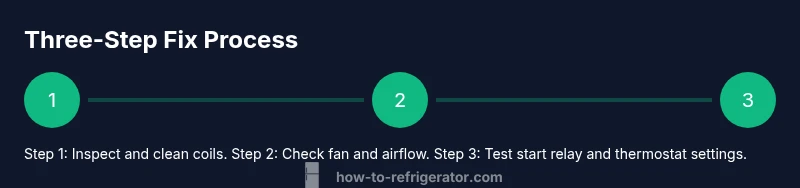
Steps to fix compressor refrigerator start with safety, then diagnose non sealed components. Unplug the unit, inspect coils and fans, test the thermostat and start relay, and only proceed to professional service if the compressor or sealed system shows signs of leakage or failure.
Understanding what it means to fix a compressor refrigerator
Fixing a compressor refrigerator centers on restoring the core cooling function by addressing the compressor, the heat exchange path, and the control system. The compressor is the heart of the cooling cycle, moving refrigerant through the system and enabling heat removal from the interior. When it falters, you may see warm shelves, frost patterns on evaporator coils, or unusual noises. This guide, backed by the How To Refrigerator team, emphasizes safe, practical checks homeowners can perform to diagnose non sealed system issues and prevent unnecessary part replacements. We will cover symptoms, safe testing approaches, and maintenance practices that can improve efficiency and extend the appliance life without compromising safety or warranty terms.
Safety-first when working on a fridge
Safety is the foundation of any DIY repair. Always unplug the refrigerator and disconnect it from power before touching any panels or wiring. Never depressurize sealed lines or handle refrigerant. Wear protective gloves and eye protection, and keep children away from the workspace. If you detect a refrigerant smell or oil pooling around the compressor, stop and call a licensed technician. Our goal is to address non sealed components like coils, fans, and thermostat settings to avoid dangerous situations and preserve warranty conditions.
Common symptoms of a failing compressor
A weakening compressor often shows up as poor cooling, warm interior temperatures, or frost on the evaporator. You may also hear persistent humming or buzzing that does not stop, or a rattling and clicking sound indicating a mechanical issue. If the cabinet becomes hot at the back or you see oil around the compressor area, these are red flags for serious problems. While some symptoms point to simple causes, many issues can originate in the start relay, capacitor, or dirty condenser coils. The How To Refrigerator team emphasizes a structured check to differentiate quick wins from complex failures.
Diagnosing the issue without opening sealed circuits
Begin with non invasive checks that do not require handling the refrigerant system. Examine condenser coils for dirt and debris, listen for abnormal fan operation, and inspect door seals for air leaks. A blocked coil or a malfunctioning fan reduces heat exchange efficiency and forces the compressor to run longer. Use a flashlight to inspect the fin array and gently remove lint with a soft brush. If coils are clean and the fan runs smoothly, continue with basic electrical checks using a multimeter to verify voltage and continuity in accessible circuits.
A practical plan for a methodical diagnosis
Develop a simple, repeatable checklist before you start. Note model and serial numbers for manuals, confirm power at the outlet, and verify that the control settings are correct. Perform tests under normal operating conditions to avoid misleading results. This planning reduces guesswork and keeps the project manageable. A well documented process also helps if you need professional help later; you will provide precise details to the technician.
DIY vs professional repair making the right call
Several compressor problems involve sealed refrigerant circuits or compressor replacement, tasks that require licensed technicians. For basic issues such as dirty coils or a stuck fan, a DIY approach can save time and money. If you notice oil leaks, refrigerant hissing, or a compressor that refuses to start after resets, do not push forward. Calling a pro protects your safety, prevents warranty disputes, and avoids costly mistakes that could worsen the damage.
Preventive maintenance to extend compressor life
Regular condenser coil cleaning, proper door seals, and stable temperature settings reduce the load on the compressor. Schedule periodic inspections, especially in humid kitchens or older units. Keep the area around the fridge clear to maximize airflow. Use recommended temperature ranges for fresh food and freezer compartments to minimize motor stress. These small habits translate into fewer compressor cycles and lower energy use, giving you more reliable cooling over time.
Troubleshooting quick-reference: symptoms and fixes
- Not cooling properly: clean condenser coils, verify thermostat settings, and ensure the condenser fan runs. If issues persist, suspect the start device or a sealed system fault and seek professional help.
- Unusual noises: a humming or buzzing sound may indicate a failing start relay or loose compressor mounting.
- Frequent cycling: frost buildup or thermostat miscalibration can cause rapid on/off cycling; correct the settings and inspect airflow.
- Leaks or oil near the compressor: this is a warning sign; refrigerant handling requires a licensed technician.
- Warm interior with normal noises: confirm door seals and adequate airflow; re-check temperature controls and consider service if the problem continues.
Testing, restarting, and safe operation after repair
After completing the planned checks and any replacements, reconnect power and monitor the compressor cycle. Allow several hours for stabilization if the unit has been off; track interior temperatures to ensure they reach the target range. Listen for smooth cycling and verify there is no abnormal heat near the back of the cabinet. Keep a maintenance log with readings and dates to catch recurring issues early. If cooling remains inconsistent, re-evaluate airflow and seals and consider scheduling professional service.
Tools & Materials
- Digital multimeter(For measuring voltage, continuity, and resistance in control circuits)
- Screwdriver set (Phillips and flat-head)(For panel removal and accessing service points)
- Nut driver set(Access back panels and compressor area on some models)
- Soft brush and microfiber cloth(Clean condenser coils and dust)
- Flashlight(Inspect fins and connectors in dim areas)
- Protective gloves and safety glasses(Personal protective equipment; essential for DIY work)
- Owner's manual or service manual(Model specific guidance and specifications)
- Non-conductive ladder or stable stool(Access rear panel in tight spaces)
Steps
Estimated time: 60-90 minutes
- 1
Unplug and prepare the area
Power down the fridge and disconnect it from the wall outlet. Remove any stored food and clear the workspace. This avoids shocks and keeps liquids away from electrical components.
Tip: Double-check the plug and outlet are not controlled by a switch that you might accidentally flip on. - 2
Access the condenser area and inspect coils
Move the fridge away from the wall and remove the rear access panel if needed. Look for dust, lint, and debris on the condenser coils; a dusty coil wastes energy and makes the compressor work harder.
Tip: Use a soft brush or vacuum with a brush attachment to avoid bending fins. - 3
Clean coils and verify fan operation
Gently clean the coil fins until they shine and air can pass freely. Power on briefly to confirm the condenser fan spins smoothly without rubbing or wobbling.
Tip: If the fan stalls or rubs, stop and inspect for obstructions before continuing. - 4
Check door seals and airflow paths
Inspect gaskets for cracks and ensure doors seal tightly. Mis-sealed doors let warm room air in, forcing the compressor to run more often.
Tip: Run a simple soap-and-water test to reveal air leaks. - 5
Test start relay/overload device (if accessible)
Locate the start device and test continuity with the multimeter. Replace if the readings are out of spec or the part shows physical damage.
Tip: Only perform this if you can safely reach the component without discharging refrigerant. - 6
Evaluate thermostat and temperature controls
Set the thermostat to the manufacturer's recommended range and observe cooling response. A miscalibrated setting can mimic compressor issues.
Tip: Document the set point before adjusting so you can revert if needed. - 7
Electrical checks and basic wiring inspection
With power restored, check for loose wires, burnt insulation, and proper connector seating. Look for signs of wear around the compressor relay and control board.
Tip: Do not tug on wires; handle connectors with care to avoid further damage. - 8
Reassemble, plug in, and monitor
Reinstall panels, reconnect power, and monitor cooling performance for several hours. Verify temps stabilize within target ranges and listen for normal cycling.
Tip: Keep a log of temperatures and any noises for future reference.
FAQ
What are the signs that the compressor is failing?
Common signs include warm interior, frost on coils, unusual noises, and continuous cycling. If the back of the unit feels hot or you smell oil or refrigerant, stop and seek professional help.
Watch for warm shelves and odd noises; these often indicate compressor trouble. If you notice oil, call a technician.
Can I fix a refrigerant leak myself?
Handling refrigerant requires licensing and proper equipment. Do not attempt to seal leaks or recharge refrigerant yourself; contact a certified technician.
Refrigerant work is for pros. Don’t try to fix leaks on your own.
Is it safe to operate the fridge after a DIY fix?
If you have completed non sealed inspections and the coils, fan, and thermostat tests pass, you may monitor operation for a short period. If anything seems off, shut down and consult a pro.
You may test it briefly after a basic fix, but stop if anything seems abnormal.
How much does compressor repair typically cost?
Costs vary by model and location; expect to pay for parts and labor. Keep in mind that significant repairs on older units may lead to replacement considerations.
Repair costs depend on parts and service rates; weigh against replacing the unit.
How long should a compressor last with good maintenance?
A well maintained compressor typically lasts many years, though age, usage patterns, and climate can shorten or extend its life. Regular cleaning and proper temperatures help extend reliability.
With proper care, a compressor can last several years longer.
Watch Video
Top Takeaways
- Unplug before any inspection and prioritize safety
- Dirty coils are a common and fixable cause of inefficiency
- DIY fixes work for non sealed components like coils and fans
- When in doubt about refrigerant or sealed parts, call a pro
- Regular maintenance reduces compressor stress and energy use