Broken Refrigerator Pick Up: A Homeowner's Guide to Safe Removal
Learn how to arrange a broken refrigerator pick up, prep your space, compare disposal options, and understand typical costs and timelines. A homeowner-friendly guide to safe removal and recycling.


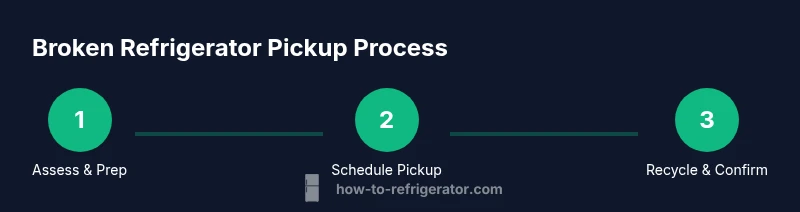
You will learn how to arrange a broken refrigerator pick up, what to prepare, and what to expect regarding costs, timelines, and disposal options. We cover curbside removal, certified recyclers, and required paperwork. Follow the steps to stay safe and ensure proper recycling. This quick answer sets the stage for a detailed, homeowner-friendly guide.
Understanding the Goal of Broken Refrigerator Pick Up
A broken refrigerator pick up is the process of removing a non-working unit from your home and ensuring it is disposed of or recycled responsibly. For homeowners, the goal is to minimize risk, avoid penalties, and maximize recovery of recyclable materials. The task combines three elements: safe removal from the living area, compliant handling of fluids and refrigerants, and transfer to a licensed facility or recycler.
According to How To Refrigerator, most communities offer some form of large-appliance pickup or curbside recycling. Rules vary: some programs are free for qualifying appliances; others charge a fee; some require proof of ownership or an appointment. The first step is to confirm your address, the pickup option, and what paperwork a provider needs. The label “broken” matters less than whether the unit can be safely moved and recycled. Do not guess—check with your waste authority or a licensed recycler to learn what’s accepted and how to prepare.
Typical pathways include municipal curbside pickup, drop-off at an authorized recycling center, or pickup by a private hauler. If the fridge still cools or leaks refrigerant, this can affect the disposal route and any charges. Your refrigerator contains components that require careful handling, so plan accordingly. The choice you make now influences convenience, cost, and environmental impact. In the next sections, you’ll find practical steps, safety tips, and common questions homeowners ask when arranging a broken refrigerator pick up.
When to Call a Professional vs DIY Disposal
Deciding between professional pickup and DIY disposal hinges on safety, liability, and local rules. A heavy refrigerator can weigh several hundred pounds; attempting to move it without proper equipment or a second person increases the risk of back injury, floor damage, or strained stairs. Even if you own a moving dolly, a non-functioning unit with doors closed can shift unexpectedly during transport. For this reason, most homeowners choose to hire a licensed recycling or junk-removal service.
DIY disposal is sometimes possible if the appliance is freestanding, has a clear, straight path to the door, and you can safely maneuver it with help. If you attempt DIY, avoid disconnecting hoses or releasing refrigerant yourself. In many places, venting refrigerants is illegal and dangerous; professional teams follow proper capture and disposal procedures at certified facilities. If your goal is simply to clear space and you don’t want to handle the heavy lifting, look for curbside or drop-off options offered by municipal programs or private recyclers. Always verify that the provider is licensed and that they will provide a disposal receipt or certificate of recycling. This documentation can be important for your records and for any potential tax or warranty considerations.
Remember, the right choice protects your family, your home, and the environment. If you’re unsure, call a local recycler or the city’s waste department to discuss options before you proceed.
How to Find a Pickup Service
Finding a reputable broken refrigerator pickup service starts with clarity about your goals and a quick comparison of options. Start with your city or town’s waste department homepage to see if curbside pickup is offered for large appliances. If so, confirm eligibility, scheduling windows, and whether the service is free or fee-based. If municipal programs aren’t available, expand to private appliance recyclers or junk-haulers. Look for businesses that are licensed, insured, and able to issue a disposal receipt.
Request quotes from at least two providers and ask specific questions: Do you handle refrigerant? What is your maximum weight limit? Do you remove doors, and is there an extra charge for that? Will you disconnect the power and ensure safe transport? Are you able to provide a certificate of recycling? If the unit is under a take-back or warranty program, verify what the program covers. Compare total costs, not just upfront quotes, since some services add removal fees, stair charges, or ride-time. Budget guidelines vary by location and fridge size. In many areas, total costs often range from modest fees for curbside pickup to several hundred dollars for full-service removal, especially if stairs, long carries, or special equipment are involved. Always request a written estimate and confirm the expected pickup day. For reliability, choose a company with a track record of safe handling, prompt scheduling, and transparent disposal paperwork.
Preparation Checklist Before Pickup
A thorough prep minimizes delays and protects your property. Start with unplugging the unit at least a few hours before the scheduled pickup to reduce water and moisture. Remove all perishable contents and wipe down the interior to avoid odors during transport. If possible, remove doors ahead of time or secure them with tape to prevent the fridge from closing during handling. Keep hands clear of hinges.
Measure the entryway, hallways, and stair openings to ensure the appliance can pass through. Clear a direct path from the kitchen to the street or loading area. Place the fridge in a location near the door, with a clear surface to set down straps or blankets. If you have moving blankets, thick tarps, or a dolly, cover the unit and anchor it to prevent shifting during loading. Take photos of the setup for reference and to document the unit’s condition before removal.
If you have water lines or drainage hoses, do not disconnect unless you’re sure. Some programs require a licensed technician to detach lines safely. Finally, confirm the pickup appointment, required documents, and payment method with the service provider. Pro tip: ask for an arrival window and a contact number in case the team cannot access your building.
What to Expect on Pickup Day
On the scheduled day, a crew will arrive with the necessary equipment and safety gear. They will verify your address, confirm that the unit is ready for removal, and discuss disposal options. For most drivers, the process is quick: they load the appliance onto a truck using a dolly or straps, document the pickup, and provide a receipt or certificate of recycling. If doors were removed, they should be re-secured or discarded as directed. Expect a few minutes of formalities and a look-over of the unit to check for leaks or damaged glass.
Payment arrangements vary: some services bill after pickup, others require prepayment. If you requested a certificate of recycling, ensure the paperwork is complete before the crew leaves. If the space was cluttered, the crew may request extra help moving the unit outside. In urban areas, you may be charged for travel time, stairs, or long carry distances. After pickup, store the receipt in a safe place for your records.
Photography of the unit before removal can help with any future disputes or tax documentation. In some cases, the service will take a photograph of the unit on the truck and upload it to your account as proof of disposal. As you finalize, confirm that the disposal method aligns with your preferences; private recyclers can often offer more detailed recycling information.
Reuse and Recycling Options
Recycling is the preferred path for end-of-life refrigerators. Recyclers disassemble the unit, recover metal, plastics, and glass, and safely manage refrigerants. If the appliance contains reusable components, some charities or community repair programs will accept salvageable parts or a working compressor for training or donation. Before pickup, ask if your chosen provider participates in recycling certifications or has a record of responsible dismantling.
If the appliance is under warranty or part of a take-back program, you may have options for free or reduced-cost removal through the manufacturer. Even when disposal fees apply, choosing a registered recycler helps ensure proper environmental practices and reduces the risk of hazardous leaks. In addition to potential rebates, some municipalities partner with non-profits or scrap yards to salvage usable materials. Always request a disposal receipt or certificate of recycling; this helps with insurance claims and potential resale credit.
How To Refrigerator analysis shows that many regions prioritize proper appliance recycling, with transparent options that emphasize environmental impact. By selecting a certified recycler, you support safe disposal practices and help divert refrigerants from the landfill.
Next Steps for Homeowners
You’ve learned the basics of broken refrigerator pick up and what to expect during removal. Start by contacting at least two providers to compare quotes and verify compliance with refrigerant handling and recycling standards. Collect photos and notes of the unit’s condition, and keep receipts for your records. If you’re uncertain about what program to choose, consult the city waste department or a trusted recycler for guidance. For more safety and disposal tips, refer to How To Refrigerator's guidelines and resources.
Tools & Materials
- Safety gloves(Cut-resistant recommended)
- Measuring tape(At least 8 feet)
- Moving blankets or thick tarps(Protect surfaces and fridge during transport)
- Dolly or appliance cart(Helpful for long carries or stairs)
- Second person to assist(Heavy appliance requires extra hands)
- Optional: box cutter or screwdrivers(Only use if removing doors safely)
Steps
Estimated time: 2-4 hours
- 1
Unplug and prep contents
Unplug the fridge at the wall and remove perishable items. Wipe the interior to reduce odors. If doors can stay closed, avoid forcing them; plan to secure them during transport.
Tip: Unplug well in advance to let the interior dry out. - 2
Clear the path and measure openings
Inspect doorways, hallways, and stairs for clear width. Move any obstacles and measure the narrowest point to ensure the unit will pass through.
Tip: Use painter’s tape to mark door frames as a reminder of clearance. - 3
Remove doors or secure the unit
If necessary, remove fridge doors or secure them with tape to prevent pinching. Do not attempt to disconnect refrigerant lines yourself.
Tip: Ask the pickup service whether door removal is included. - 4
Prep for transport
Cover the fridge with moving blankets, secure with straps, and place it on a dolly if available. Keep feet clear and ensure you have one strong spotter.
Tip: Cover corners to minimize wall or doorway damage. - 5
Coordinate scheduling and paperwork
Confirm appointment time, access instructions, and whether you’ll receive a disposal receipt or recycling certificate.
Tip: Ask for a written estimate before work begins. - 6
Load and document
Load the appliance carefully, documenting its condition with photos. Ensure refrigerant handling is performed by licensed professionals if needed.
Tip: Take a pin-sharp photo from multiple angles. - 7
Receive paperwork and dispose
Obtain the disposal receipt or certificate of recycling and store it with your records. Confirm the unit was delivered to a licensed facility.
Tip: Keep digital backups of receipts for taxes or warranties. - 8
Follow up
If you notice issues or discrepancies, contact the provider promptly and request corrected documentation.
Tip: Save the provider’s contact information for future needs.
FAQ
What’s the difference between curbside pickup and private removal for a broken refrigerator?
Curbside pickup is usually managed by municipal programs and may be free or low-cost, with standardized scheduling. Private removal offers flexible timing and may provide a disposal certificate, but costs can vary. Always confirm whether refrigerant handling is included.
Curbside pickup is typically free or cheap but scheduled by the city, while private removal offers flexible times and extra services like recycling certificates. Always confirm refrigerant handling.
Will there be a disposal fee for broken refrigerator pickup?
Yes. Fees vary by location and service level. Some programs offer free removal, while full-service pickups with doors removed and stairs can cost more. Always request an itemized quote before work begins.
Fees vary by location and service level. Ask for an itemized quote before scheduling.
Do I need to remove the doors before pickup?
Some providers require door removal; others handle it as part of the service. Ask whether door removal is included and how it affects price and timing.
Ask if door removal is included; it can affect price and timing.
What documents will I receive after disposal?
You should receive a disposal receipt or certificate of recycling. Keep these documents for your records, insurance, and potential tax considerations.
You’ll typically get a disposal receipt or recycling certificate.
How long does the pickup process take on site?
On-site loading usually takes 30–90 minutes depending on access, size, and crew efficiency. Scheduling windows vary, so plan for some variability.
Most pickups take a short time on site, but allow for some variation.
Can I recycle other components or accessories with the fridge?
Many providers can recycle add-ons like shelves or ice-makers, and some facilities accept metal components separately. Ask about what can be recycled beyond the main unit.
Ask about recycling shelves or accessories along with the unit.
Watch Video
Top Takeaways
- Plan ahead with two people for safe lifting.
- Choose licensed recyclers for proper disposal.
- Document disposal with receipts and photos.
- Check local rules and pickup options before scheduling.