Refrigerator Disposal: Safe, Eco-Friendly Options
Learn how to dispose of an old refrigerator safely and legally. This How To Refrigerator guide covers refrigerant recovery, recycling options, preparation steps, and cost considerations to help homeowners dispose responsibly.


Disposing a refrigerator safely and legally starts with identifying local recycling options, scheduling refrigerant recovery if required, and preparing the unit for haul-away. This guide covers safety, regulatory steps, and common disposal costs. By following these steps, you minimize environmental impact and avoid penalties. It also explains when you can DIY elements and when to hire licensed professionals.
Why Proper Refrigerator Disposal Matters
Disposing a refrigerator properly matters for the environment, public health, and your wallet. When a fridge ends up in a landfill, foam insulation may release harmful gases, and metal components tie up valuable resources. The How To Refrigerator team found that responsible disposal helps reclaim refrigerants, metals, and plastics through certified recycling streams. Following best practices also reduces the risk of leaks, safety hazards, and local fines linked to improper disposal. In many regions, regulations require refrigerant recovery and documentation of the disposal path. Understanding these rules from the start saves time and money, and helps you support broader sustainability goals. This section explains the lifecycle of an old appliance, how different disposal routes work, and how to decide between recycling, donation, or full disposal. It also covers what makes a fridge eligible for recycling, what to expect at the drop-off, and how your choices contribute to a cleaner, more efficient waste system. According to How To Refrigerator, implementing a thoughtful disposal plan reduces environmental impact and supports a circular economy.
Assessing Your Options: Recycling, Donation, or Disposal
Your first decision is whether to recycle, donate, or dispose of the refrigerator. Recycling is often the most eco-friendly route: certified facilities recover refrigerants, metals, and insulating foam, then reuse parts where possible. Donating a working or lightly used unit to a charity or community program can extend the appliance’s life and reduce waste. If the fridge is nonfunctional or unsafe, disposal through a licensed recycler is typically required. Some municipalities offer curbside bulky-item pickup or drop-off programs with reduced fees for appliances. In all cases, confirm that the service is authorized to handle refrigerants and that doors are secured during transport. By choosing a reputable recycler, you help ensure that hazardous substances are not released into the environment. The How To Refrigerator team recommends starting with your local waste authority’s website to see accepted options and any required paperwork.
Safety First: Refrigerants, Hazards, and Personal Protective Equipment
Handling old refrigerators requires attention to potential hazards such as refrigerants, oils, and sharp edges. Always wear protective gloves and goggles when manipulating panels or removing hardware. Never puncture or vent refrigerants; this is dangerous and illegal in many areas. Before any dismantling, verify that the appliance has been deemed safe for handling by a licensed technician who can recover refrigerants according to local regulations. Proper labeling and containment prevent leaks and reduce the risk of environmental contamination. If you’re unsure about any step, pause and consult a professional or your local waste authority for guidance.
Preparing the Refrigerator for Disposal: Unplug, Defrost, and Empty
Start by unplugging the unit and moving it to a clear, level workspace. Defrost the freezer and drain any residual water into a bucket or drain (as permitted by local rules). Remove all removable shelves to make the appliance lighter and safer to transport. Clean interior surfaces to minimize odors and pests during storage or transport. Check the doors for secure placement, ensuring they cannot swing shut during loading. Having a prepared, dry unit simplifies the pickup or drop-off process and helps prevent damage to the environment or the facility that receives it.
Removing Doors and Other Hardware to Prevent Injury
Removing doors is a common safety precaution to prevent accidental entrapment during transport. If your fridge has standard torsion or hinge systems, note that some doors can be heavy and require two people to lift. Use a rope or strap to keep doors upright but open; remove hinges if needed and store hardware in a labeled bag. Don’t leave doors on the appliance during transport; secure them so they cannot swing or detach and cause injury. This step reduces the risk of injuries at home or on the way to the recycler.
Scheduling Refrigerant Recovery: Why It Matters
In many jurisdictions, refrigerant recovery is required before disposal. A licensed technician will recover the refrigerant and certify the process, ensuring compliance with environmental regulations. Attempting to dispose of or vent refrigerants yourself can result in legal penalties and environmental harm. Schedule recovery as early as possible in the disposal plan to avoid delays. If your recycler offers a package that includes refrigerant recovery, confirm what paperwork will be issued and kept for your records.
Choosing a Licensed Recycler or Hauling Service
Look for recyclers that are EPA-recognized or have local endorsements, and confirm they can handle refrigerants and appliance components responsibly. Ask about documentation, such as receipts or certificates, showing refrigerant recovery and proper processing. Compare pickup options, lead times, and any fees for bulky items. A reputable provider will offer a transparent process and provide a disposal path that aligns with environmental best practices. The How To Refrigerator team recommends verifying credentials on the recycler’s website or with your local waste authority.
What Happens to the Refrigerator: Recycling vs Landfill
Recycled units go through disassembly where valuable metals, plastics, and foam are separated for reuse. Refrigerants are recovered and controlled, then routed to approved disposal streams. Non-recyclable components may be sent to certified facilities designed to handle hazardous materials. The goal is to divert as much material as possible from landfills and to recover resources that can be repurposed, reducing the overall environmental footprint of appliance disposal. This is a central tenet of responsible disposal and a key point in tips for homeowners.
Costs, Fees, and How to Budget
Disposal costs vary by location, service level, and whether refrigerant recovery is included. Some programs charge a flat haul-away fee, while others bill per item or per mile. Don’t assume curbside pickup is free for appliances; check with your local waste authority for any required permits or fees. If a donation program accepts your unit, it may reduce overall costs or offer free pickup. The How To Refrigerator team recommends obtaining quotes from multiple providers and asking for a detailed breakdown of all charges before agreeing to pickup.
What Not To Do: Common Disposal Mistakes
Avoid venting refrigerants or attempting DIY refrigerant recovery, as this is illegal and dangerous. Don’t dismantle sealed systems excessively, which can release oils or refrigerant into the environment. Don’t store the fridge outdoors without securing it; weather exposure can cause corrosion and create hazards. Finally, don’t neglect the paperwork—recycling programs often require documentation of the disposal path and refrigerant recovery. Following these cautions keeps you compliant and minimizes risk.
A Simple, Ready-to-Use Disposal Plan
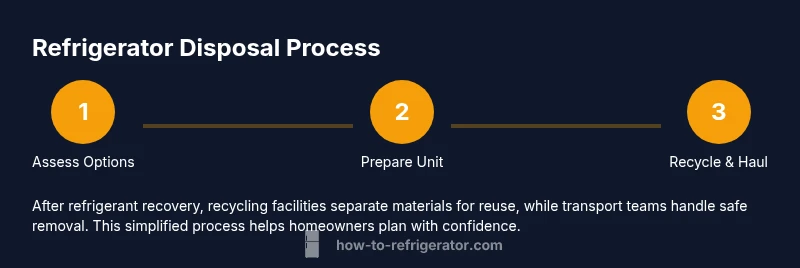
Create a short, actionable plan with three steps: 1) Verify disposal options with your local waste authority; 2) Schedule licensed refrigerant recovery and arrange pickup; 3) Prepare the unit (unplug, defrost, remove doors) and transport to the recycler. Keeping a checklist helps ensure nothing is forgotten and makes the process smoother if you’re coordinating with other household members. A well-executed plan reduces stress and speeds up the overall disposal timeline.
Local Regulations Checklist and Next Steps
Before disposing, review your city or county’s rules on appliance disposal, refrigeration safety, and recycling programs. Prepare related documents, such as proof of refrigerant recovery when required. If you’re unsure, contact the local waste authority or a trusted recycler for guidance. This proactive approach helps you stay compliant and ensures your old refrigerator is disposed of in the most responsible manner.
Tools & Materials
- Safety gloves(Protect hands during dismantling and lifting)
- Safety goggles(Protect eyes from sharp edges)
- Screwdriver set (Phillips and flathead)(For removing doors and panels)
- Pliers or channel-lock pliers(Grip and disconnect hoses or wiring)
- Nut drivers or socket set(Helpful for fasteners)
- Utility knife(Useful for foam or sealant)
- Duct tape or zip ties(Seal and secure doors during transport)
- Trash bags or plastic sheeting(Contain debris during removal)
Steps
Estimated time: 2-6 hours
- 1
Identify disposal options
Research local recycling programs and confirm they handle refrigerants. Contact a licensed recycler or hauler to discuss pickup options and required paperwork. Decide whether donation, recycling, or disposal best fits the unit’s condition.
Tip: Call ahead to verify accepted appliance types and refrigerant handling rules. - 2
Gather protection and tools
Put on safety gear and assemble tools before starting. This minimizes trips back and keeps the workspace organized for a smoother process.
Tip: Lay out tools in a tray so nothing is misplaced during loading. - 3
Schedule refrigerant recovery
Coordinate with a licensed technician or recycler to recover any refrigerants. Obtain a recovery certificate for your records.
Tip: If your local program includes recovery, ask about bundled service to save time. - 4
Unplug and relocate the unit
Disconnect the fridge from the power source and move it to a clear, accessible area. Ensure the area can accommodate transport without scraping walls or creating hazards.
Tip: Turn off the breaker to avoid any accidental re-energizing during prep. - 5
Defrost and drain
Defrost the freezer and drain water into an appropriate container. Wipe dry to prevent mold and odors during transport or storage.
Tip: Place towels to catch any water and prevent slips on the floor. - 6
Remove doors and secure
Carefully remove doors or prop them open andsecure to prevent them from closing during transport. Label hinges and keep fasteners together in a bag.
Tip: Ask for a second pair of hands for heavy doors to avoid strain injuries. - 7
Disconnect hoses and hardware
Detach any water lines, power cords, and electrical plugs that are easily accessible. Collect screws, brackets, and hardware for reuse or proper disposal.
Tip: Keep disassembled parts organized to simplify recycling processing. - 8
Load and secure for transport
Load the appliance onto a dolly or truck bed and secure with straps to prevent movement. Ensure doors stay open if required and that sharp edges are covered.
Tip: Use a blanket or padding to protect surfaces when sliding the unit. - 9
Obtain disposal receipt
Get a disposal receipt or certificate from the recycler confirming refrigerant recovery and proper processing. Save for your records.
Tip: Photograph the unit and the receipt as a backup record.
FAQ
Is refrigerant recovery mandatory before disposal?
In many areas, refrigerant recovery is required by law before disposal. A licensed technician must remove and certify the recovery to prevent environmental harm. Always check your local regulations and use a certified service.
Yes. Refrigerant recovery is usually mandatory and must be performed by a licensed professional. Check your local rules before disposal.
Can I dispose of a fridge with a broken door?
A broken or damaged door can still be recycled or disposed of through a licensed recycler. However, you should take extra precautions to secure the door to prevent injury during transport and ensure the recycler handles the door safely.
Yes, but secure the door to prevent injuries during transport and confirm the recycler will handle it properly.
Do I need to unplug the fridge before pickup?
Yes. Unplugging the unit before pickup reduces safety risks and helps prevent any electrical hazards during handling. If possible, disconnect power at the breaker panel.
Yes—unplug it before pickup and, if possible, switch off the circuit at the breaker.
Can I donate a fridge instead of disposing it?
If the fridge is functioning well, donating to a charity or community program can extend its life and reduce disposal impact. Check with local organizations for their intake criteria and pickup options.
If it still works, donating is a great option. Check local charities for intake rules and pickup.
What if my local program charges fees for disposal?
Fees vary by location and service. Some programs include pickup with a fee, while others offer free recycling for working appliances. Always request a written quote before scheduling.
Fees vary by location. Get a written quote before arranging pickup.
How long does the disposal process typically take?
The timeline depends on scheduling and regulatory requirements. Expect at least a few days if you need refrigerant recovery and a confirmed pickup date, with faster options available in some areas.
It varies, but you can often schedule within a few days if refrigerant recovery is needed.
Watch Video
Top Takeaways
- Plan disposal early to avoid delays.
- Always recover refrigerants through licensed professionals.
- Choose recycling over landfill for environmental safety.
- Secure doors and protect yourself during removal.
- Keep disposal receipts for records.