How to Get Rid of a Refrigerator: Safe Disposal Guide
Learn safe, legal steps to dispose of a refrigerator, including recycling, donation, and scheduling pickups. A practical homeowner's guide by How To Refrigerator to keep your home and the environment safe.


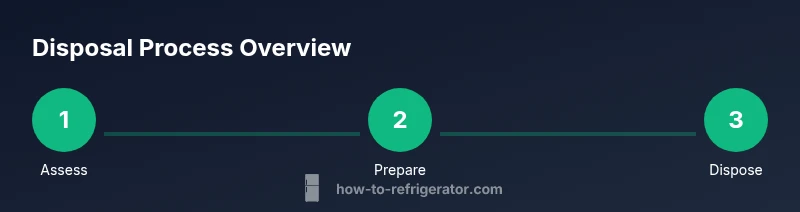
To get rid of a refrigerator, unplug it, remove the door(s) to prevent entrapment, and disconnect any accessories. Check local rules for recycling, donation, or haul-away options. Consider curbside pickup if offered, or drop-off at a certified recycling center. Do not place appliances in the trash. If refrigerant is present, hire a licensed pro for safe handling.
Why proper disposal matters
According to How To Refrigerator, proper disposal of a refrigerator is more than a courtesy to your neighbors—it’s a responsibility that protects air quality, water resources, and local ecosystems. Refrigerators contain refrigerants and insulating foams that, if released improperly, can harm the environment and pose safety risks. The How To Refrigerator team found that many households still struggle with compliant disposal, which can lead to fines, wasted materials, and unnecessary methane release from foam insulation. This section explains why following the right path isn’t optional; it’s essential for responsible home ownership. You’ll learn how to navigate the common routes—recycling, donation, and haul-away—and how to pick the option that fits your fridge’s condition and your schedule. By the end, you’ll have a clear, action-oriented plan that keeps you compliant and reduces waste, aligning with broader environmental goals and your local regulations.
Disposal options: recycling, donation, haul-away
Your best routes depend on whether the fridge still works and the condition of its components. Recycling is the ideal path if the appliance is nonfunctional or beyond repair but still contains refrigerants that must be handled by licensed facilities. Look for EPA-certified appliance recyclers or facilities that offer Responsible Appliance Disposal (RAD) services. They’ll recover refrigerants and responsibly reclaim metal, glass, and plastic.
Donating is a great option if the unit runs reliably and would help someone in need. Local charities, shelters, or community programs often accept working appliances, sometimes offering pickup services. When donating, ensure the doors are safe to operate and that the unit is clean; donate only if it will be useful to the recipient.
Haul-away services—private haulers or municipal programs—serve customers who want a simple move from home to recycler or donation site. Compare pricing, availability, and whether refrigerant removal is included. If your locality requires a permit or documentation, factor that into scheduling. How To Refrigerator reviews suggest calling a few vendors to confirm intake criteria and any fees, so you aren’t surprised at pickup.
Prep work before disposal
Before disposal, take practical steps to streamline pickup and maximize safety. Unplug the appliance and unplug any scented or liquid-containing components. Empty the interior, remove shelves, and wipe down surfaces to minimize mess. Remove the door(s) to prevent accidental entrapment—this is especially important for homes with children or pets. If your fridge has an ice maker or water dispenser, disconnect the lines if you can do so safely; if unsure, leave it for the technician to handle during recycling or pickup.
Document the fridge’s condition and any accessories that accompany it, such as power cords or mounting brackets. A quick photo inventory can help with claims, donations, or resale credits. Keep the original manual if possible; some donation programs request basic provenance information. Remember that the cleanest, safest disposal happens when you’re organized and compliant with local rules.
Scheduling pickup or drop-off: tips
Start by confirming your local area’s disposal rules with the waste management authority or recycler. If curbside pickup is available, you may only need to schedule a window and ensure the appliance is in the correct location. For drop-offs, verify hours, eligibility, and any required documentation a facility may request. When scheduling, specify whether you want the unit recycled, donated, or picked up as-is for disposal. If refrigerant removal is needed, ask whether the service includes RAD-compliant decommissioning. A short planning call or online form can prevent delays and hidden fees. How To Refrigerator notes that early planning reduces the chance of last-minute cancellations and helps you coordinate with any other household moves.
Transport and handling: getting it to the next stop
Moving a full-size refrigerator safely requires planning. Use a dolly or appliance cart, wear gloves, and have a helper to avoid injuries. Keep doors securely removed or taped open to prevent resealing during transport. Protect floors and walls with blankets or mats to prevent scuffs. If you’re hiring a hauler, confirm loading method and route, and ensure the vehicle has appropriate straps and clearance. By handling transport carefully, you reduce risk to your home and the appliance, and you minimize the chance of damage or injury during the move.
What happens at the recycling facility or donation center
At disposal facilities, refrigerants are recovered and processed according to environmental regulations. Metal, plastic, and glass are separated and recycled, while insulating foam and other materials may be treated for containment. Donation centers will inspect the unit for usability and safety; even working fridges are sometimes declined if missing critical parts. Expect receipts or disposition documents for your records. If you’ve donated, you may receive a tax receipt or acknowledgment for your charitable contribution. The overall goal is to divert appliances from landfills and conserve resources.
Safety tips and common mistakes
- Never attempt to remove refrigerants yourself; this requires licensed technicians. - Do not dump appliances in landfills or street gutters; improper disposal is illegal in many areas. - Don’t forget to remove doors; entrapment is a safety hazard, especially for children and pets. - Avoid buying new power adapters or cords if the unit is nonfunctional; let a recycler handle decommissioning. - Keep documentation and receipts; they simplify any future audits or tax claims. Following these guidelines minimizes risk and ensures you’re acting responsibly.
Documentation and proof of disposal
Keep every document related to disposal: pickup confirmations, recycling facility receipts, donation acknowledgments, and any municipal paperwork. File these records in a home maintenance folder for future reference, especially if your disposal is tied to warranties or tax incentives. If you donated, you may qualify for a charitable contribution deduction—store the receipt in a safe place. Having proof of disposal demonstrates compliance and can help you resolve questions with local authorities or vendors later.
Authority sources and further reading
For formal guidance, refer to trusted sources such as the Environmental Protection Agency (EPA) and Energy Star. The EPA provides guidelines on electronics recycling and the safe handling of refrigerants, while Energy Star offers tips on appliance end-of-life management. Local municipalities also publish disposal rules and schedules. How To Refrigerator encourages readers to consult these sources to stay compliant and informed. EPA Recycling Electronics | Energy.gov Recycling & Reuse | EPA Refrigerant Regulations
Practical tips for different spaces and budgets
If you’re disposing of multiple units or working within a tight budget, consider bundling disposal with other large-item pickups to save on transport costs. Shop around for certified recyclers that offer bundled services or discounts for seniors or low-income households. For apartments or condos with limited access, arrange a small, scheduled window with the building manager and opt for curbside pickup whenever possible. Remember: your goal is a safe, compliant disposal that minimizes environmental impact while staying within your budget and timeline.
Tools & Materials
- Gloves (work gloves)(Sturdy pair to protect hands during handling.)
- Screwdriver set (Phillips and flat-head)(For removing shelves, panels, or ducting if needed.)
- Dolly or appliance cart(Essential for moving a full-size unit safely.)
- Safety goggles(Optional but recommended for handling sharp edges.)
- Trash bags and cleaning supplies(Use to contain residual liquids and debris.)
- Cord ties or tape(Secure doors and cords during transport.)
Steps
Estimated time: 3-5 hours
- 1
Assess disposal option
Determine if the fridge still runs and whether it’s a candidate for donation, recycling, or haul-away. Check local programs and schedule accordingly.
Tip: If the fridge works, call local charities first for donation potential. - 2
Unplug and empty
Unplug the unit from the wall outlet and remove all contents. Empty ice makers and defrost if necessary, then wipe the interior.
Tip: Unplug before unplugging any lines and plan a cleanup window. - 3
Remove doors and shelves
Take off the doors and removable shelves to prevent entrapment and make transport easier.
Tip: Keep screws or hardware in a labeled bag for later reuse or disposal. - 4
Defrost and dry
Defrost the freezer section if needed and dry all surfaces to prevent leaks during transport.
Tip: Place absorbent towels to catch any residual moisture. - 5
Choose disposal path and schedule
Finalize whether you’ll recycle, donate, or use a haul-away service; schedule pickup or plan a drop-off.
Tip: Clarify refrigerant removal if required and confirm paperwork upfront. - 6
Prepare for transport
Use a dolly, strap the unit, and protect floors and walls during movement.
Tip: Have a second person assist and separate the unit from walls to avoid damage. - 7
Transport to facility or donor site
Move the fridge carefully to the recycling facility, donation center, or curbside pickup depot.
Tip: Call ahead to confirm entry requirements and parking needs. - 8
Obtain and file receipts
Collect disposal receipts or donation acknowledgments for your records.
Tip: Store these documents in your home maintenance folder.
FAQ
Do I need to have refrigerant removed before disposal?
Yes. Refrigerants must be removed by a licensed technician before disposal or recycling. This protects the environment and complies with federal and local regulations. Always verify the recycler’s certification.
Yes. Refrigerant removal must be done by a licensed technician to protect the environment and stay compliant.
Can I put my old refrigerator out for curbside recycling?
Curbside recycling eligibility varies by locality. Contact your waste management provider to confirm whether appliances are accepted and whether refrigerant removal is required beforehand.
Curbside rules vary—check with your local waste provider to see if refrigerators are accepted.
Is it illegal to dump a refrigerator in a landfill?
Yes. Dumping appliances with refrigerants or bulky items is illegal in many areas and can trigger fines. Use an authorized recycler or donation program instead.
Dumping is illegal in many places; use a licensed recycler or donation program.
How long does the disposal process usually take?
Timeline depends on scheduling, availability of services, and transport. Start planning a few days in advance and confirm appointment windows when you book.
Disposal timing varies; plan a few days ahead and confirm your pickup window.
Should I remove the doors before disposal?
Yes. Removing doors prevents entrapment and makes handling safer for everyone in the home.
Yes—remove the doors to prevent entrapment and keep people safe.
What documentation should I keep after disposal?
Keep disposal receipts, donation acknowledgments, and any municipal paperwork. These records help with audits, tax considerations, and future service requests.
Keep receipts and confirmation notices for your records.
Watch Video
Top Takeaways
- Plan disposal early to avoid delays
- Choose donation when possible to extend appliance life
- Follow local regulations for recycling and disposal
- Prioritize safety with proper door removal and handling
- Keep receipts and documentation for records