How to Get Rid Fridge: Safe Disposal Guide for Homeowners
Learn safe, compliant ways to get rid of an old fridge. Step-by-step disposal, recycling options, and tips for homeowners to minimize waste and stay within local regulations.


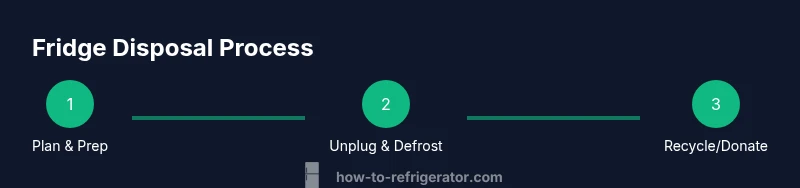
You can get rid of an old fridge safely by unplugging it, defrosting and drying the interior, and choosing a compliant disposal route such as curbside recycling, a licensed refrigerant technician, or a local recycling center. This guide outlines steps, costs, and tips to minimize waste and ensure proper handling of refrigerants and materials.
Why Getting Rid of an Old Fridge Requires Care
Disposing of a fridge isn’t just about moving a bulky appliance to the curb. Fridges contain refrigerants, insulation foams, and varying amounts of oil that must be managed responsibly to protect the environment and comply with local regulations. According to How To Refrigerator, safe fridge disposal starts long before the appliance leaves your kitchen. It begins with planning, understanding your disposal options, and knowing when to involve professionals. When done correctly, you reduce the risk of refrigerant release, minimize landfill impact, and help certified recyclers recover metals and plastics for reuse. Homeowners who take a proactive approach save time and avoid surprises at pickup or drop-off sites.
Why Getting Rid of an Old Fridge Requires Care
Disposing of a fridge isn’t just about moving a bulky appliance to the curb. Fridges contain refrigerants, insulation foams, and varying amounts of oil that must be managed responsibly to protect the environment and comply with local regulations. According to How To Refrigerator, safe fridge disposal starts long before the appliance leaves your kitchen. It begins with planning, understanding your disposal options, and knowing when to involve professionals. When done correctly, you reduce the risk of refrigerant release, minimize landfill impact, and help certified recyclers recover metals and plastics for reuse. Homeowners who take a proactive approach save time and avoid surprises at pickup or drop-off sites.
How to Structure Your Plan
A clear plan should address three things: (1) Is the fridge still operable or not, (2) Which disposal route best fits your city rules and budget, and (3) What paperwork or documentation you’ll need. Start by unplugging the unit, locating the model number for recycling guidelines, and checking with your local transfer station or municipality. If a fridge is still running, you may have options to donate or sell it. If not, you’ll focus on recycling and proper refrigerant recovery. A well-documented plan reduces delays and makes the process smoother for you and any service providers involved.
Practical Considerations for Homeowners
Think about access, stairs, and vehicle capacity. Use a dolly or hand truck to move the appliance only if you have help and a clear route. Remove doors or install a temporary barrier to prevent children or pets from entering the cavity. Gather proof of pickup or recycling to keep with your records. Finally, track timelines and costs so you can compare options and choose the most efficient path.
Tools & Materials
- Unplugged fridge(Ensure power is off before handling; unplug from wall outlet)
- Gloves (latex or nitrile)(Protect hands from sharp edges and debris)
- Screwdriver set (Phillips #2 and flathead)(Use to remove hinges or access panels if needed)
- Dolly or hand truck(Helps move the fridge safely; use moving straps if available)
- Moving straps(Optional but helpful for stairs or long distances)
- Blanket or mat(Protect floors and the appliance during transport)
Steps
Estimated time: 2-4 hours
- 1
Unplug and secure
Locate the power cord and unplug the fridge from the outlet. If it’s currently running, give it a few hours to stop defrosting water collection. Secure the doors with a strap or tape to prevent them from swinging open during transport.
Tip: Label the cord and outlet to remind future owners not to plug back in until the disposal process is confirmed. - 2
Defrost and dry interior
If the fridge has ice buildup, allow it to defrost in a warm area or use towels to soak excess water. Wipe down surfaces to prevent mildew and corrosion during transport.
Tip: Defrosting reduces water leakage and slick surfaces that can cause slips during moving. - 3
Remove doors (if safe)
If you plan to leave the doors in place for pickup or transport, remove them only if you have the correct tools and a helper. For most curbside pickups, doors should be secured or removed to prevent accidents.
Tip: Keep track of hinge screws and magnetic closures for future recycling or documentation. - 4
Choose disposal route
Evaluate local options: municipal curbside recycling, certified recycling centers, or a licensed refrigerant technician for refrigerant recovery. Your city may require a formal pickup request or appointment.
Tip: Call ahead to confirm what paperwork or proof of recycling is needed. - 5
Schedule pickup or drop-off
Book a pickup with your municipality or a private recycler, or transport the appliance to a designated drop-off site. Ensure the chosen option can handle freon recovery and efficient recycling.
Tip: Ask for a written receipt or recycling certificate after drop-off. - 6
Prepare for transport
If moving the fridge yourself, clear a path, cover flooring, and use a dolly. Keep the appliance level and avoid tilting more than necessary during loading.
Tip: Enlist a second person to help with lifting and navigation through doors or stairs. - 7
Document and receipt management
Save any receipts, confirmation numbers, or certificates from the disposal provider. These documents prove compliance and can be useful for future home records.
Tip: Digitize receipts for easy storage in your home records. - 8
Confirm refrigerant handling
Verify that refrigerants were properly recovered by a licensed technician if required by your local program. Do not attempt to vent refrigerants yourself.
Tip: Keep the service technician’s contact in case you need a copy of the refrigerant recovery certification.
FAQ
Do I need a licensed technician to handle refrigerants when getting rid of a fridge?
In most regions, refrigerants must be recovered by a licensed technician. DIY venting is illegal and dangerous. Always verify with your disposal provider whether refrigerant recovery is included in the service.
Yes. Refrigerants must be recovered by a licensed technician. DIY venting is unsafe and may be illegal. Check with your disposal provider for refrigerant recovery details.
Can I donate a fridge that still runs?
If the fridge is functional and energy-efficient, contact local charities, shelters, or appliance recycling programs. Some programs offer pickup; others may require you to bring it in. Donating reduces waste and helps those in need.
Yes, if it still works. Reach out to charities or recycling programs to see donation options.
How much does disposal typically cost?
Costs vary by city and program. Expect differences based on pickup, recycling fees, and whether refrigerant recovery is included. Check multiple providers to compare total costs and services.
Costs vary by location and provider; check what each program charges for pickup and refrigerant recovery.
Is it safe to move a fridge myself?
Fridges are heavy and bulky. Use a dolly, secure with straps, and have at least one helper. Avoid stairs without a plan and never rush the move.
Move it with a dolly and helper to stay safe and avoid injuries.
What documentation should I keep after disposal?
Keep pickup receipts, recycling certificates, and any refrigerant recovery confirmations. These documents prove proper disposal and can help with home records.
Keep the receipts and any refrigerant recovery confirmations for your records.
What if I want to recycle it locally but don’t know where to start?
Start with your city’s waste management page or call 311 to ask about approved recycling centers or bulk pickup options. They can guide you to the closest compliant facility.
Check your city’s waste page or call for approved recycling centers nearby.
Watch Video
Top Takeaways
- Plan disposal with local programs to avoid delays.
- Refrigerant recovery is typically required by licensed technicians.
- Remove doors and secure the unit to prevent injuries.
- Keep receipts and documentation for proof of proper recycling.
- Compare options to minimize cost and environmental impact.