How to Get Rid of a Refrigerator for Free
Learn safe, cost-free ways to dispose of an old refrigerator, including donation, recycling, and curbside pickup options. How To Refrigerator guides homeowners to free disposal steps while protecting the environment.


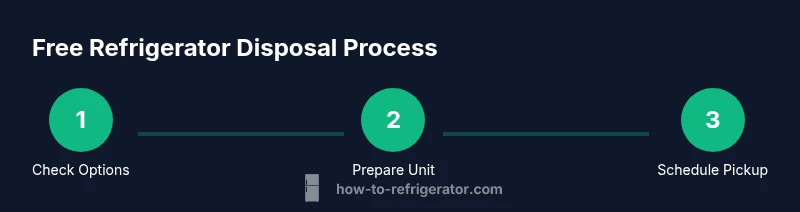
You can dispose of a refrigerator for free by using local curbside bulk pickup, donating to charities, or taking it to a recycling center that offers free appliance recycling. Start by confirming free options with your city, preparing the unit, and arranging pickup or drop-off. This guide helps homeowners find no-cost routes while ensuring safe disposal of refrigerants.
Why getting rid of an old fridge matters
Old refrigerators aren’t just bulky; they can waste energy, leak refrigerants, and take up valuable space if left in landfills. By choosing free disposal options, you reduce environmental impact, lower your carbon footprint, and support community recycling initiatives. According to How To Refrigerator, responsible disposal helps protect air and water quality and ensures hazardous components are handled by licensed recyclers. The How To Refrigerator team found that many municipalities and charities offer no-cost routes for appliance disposal when you ask the right questions and prepare the unit properly.
Free disposal options you can try
There are several no-cost routes homeowners can pursue. Start by checking with your city’s waste program for bulk-item pickups or free appliance recycling days. If you prefer giving the fridge a second life, many charities accept working appliances or will coordinate free removal. Local recycling centers and appliance recyclers often provide no-cost drop-offs if the unit is intact and you bring required documentation. Community swap networks, garage sales, or “Buy Nothing” groups can also reclaim your fridge at no charge. Finally, some utility or city programs sponsor free appliance recycling events or curbside pickups if you contact them ahead of time. How To Refrigerator analysis shows that these programs vary by region, so contacting multiple sources increases your odds of a zero-cost disposal.
Safety and legal considerations
Never vent refrigerants or tamper with sealed components yourself. Free disposal options rely on licensed recyclers to recover refrigerants and safely dismantle the unit. Puncturing lines or draining chemicals improperly can be illegal and dangerous. Always verify the program’s credentials and ask for proof of refrigerant recovery. If your fridge is damaged or nonfunctional, the recycler may still offer a free assessment to determine if it can be recovered or recycled without cost. As with any disposal task, following local regulations protects your family, neighbors, and the environment.
How to prepare your fridge for pickup
Preparation helps ensure a smooth, no-cost pickup. Start by unplugging the fridge and allowing it to stand for a short period to avoid spills. Remove perishable contents and wipe down shelves; take photos to document its condition for the pickup service. Remove any detachable shelves or glass parts to prevent damage during transport. If the pickup program requires doors to be secured or removed, follow their instructions precisely. Keep the model and serial number handy in case the program needs it for records. Finally, clear a path to the unit and arrange a clear, accessible parking spot or entry route to facilitate loading by the crew.
Coordinating free pickup and documentation
Contact your local waste management or recycling program to schedule pickup, update them about the fridge’s condition, and confirm there are no fees. Obtain a confirmation number, date, and time window, and ask for any required paperwork or proof of ownership. If you’re listing the fridge for donation, ask the charity about pickup times and any pickup limitations. Take photos of the unit before pickup as a record in case of damage claims. After pickup, verify that the recycler provides a disposal receipt or proof of recycling, and keep it with your records for future reference.
Tools & Materials
- Gloves(Protect hands while moving and handling any glass shelves)
- Dolly or appliance cart(Helps safely move the fridge without damaging floors)
- Moving straps(Optional for stairs or awkward spaces)
- Mask and eye protection(Optional; wear if odors or dust are present)
Steps
Estimated time: 1-2 hours
- 1
Identify free disposal options
Call or check online with your city, utility, and local charities to confirm no-cost disposal options. Note instances where limits or conditions apply and collect any required documentation.
Tip: Ask about eligibility windows and whether you need to schedule in advance. - 2
Prepare the fridge for pickup
Unplug the unit, remove perishable items, and wipe down the interior. Remove detachable shelves if possible and secure the cord. Follow any program-specific instructions about doors or panels.
Tip: Photograph the fridge’s condition and note any preexisting damage. - 3
Measure and assess accessibility
Measure doorway widths and assess whether the appliance can be moved through hallways or around corners. Clear a path from the fridge to the exit and create a safe loading zone.
Tip: Have a second person assist for heavy lifting or navigating stairs. - 4
Schedule pickup or arrange drop-off
Confirm a date and time window that works for you and the recycler. Obtain a reference number and keep the contact details handy for changes or follow-up.
Tip: If possible, choose a flexible window to accommodate delays. - 5
Document the transaction
Keep copies of any pickup confirmations, recycling receipts, or donation acknowledgments. Take photos after loading as a record, and store receipts with your home records.
Tip: File digital copies in a dedicated disposal folder for easy access. - 6
Verify completion
Confirm with the recycler that the fridge has been picked up and recycled or donated. Request any confirmation documents and monitor for follow-up emails or texts.
Tip: If the pickup is canceled, reschedule promptly and ask for an alternative date.
FAQ
What does free disposal mean for refrigerators?
Free disposal means the service will remove and responsibly recycle or donate your refrigerator at no charge. It typically covers curbside removal, drop-off at a recycling center, or donation pickup, depending on local programs.
Free disposal means you can have the fridge removed and recycled without paying, depending on local programs and scheduling.
Will a broken fridge be picked up for free?
Many programs accept nonworking fridges for free if they can be recycled or resold for parts. Availability varies by area, so contact multiple programs and confirm the condition they require.
Most programs will still pick up a nonworking fridge if it can be safely recycled, but it depends on your location.
Can I donate a fridge that doesn’t cool?
Some charities accept nonworking units for parts or recycling, while others require working appliances. Call ahead to confirm acceptance rules and pickup availability.
Some charities will take non-working fridges for parts or recycling; call first to confirm.
How do I know if my local utility offers free pickup?
Utilities commonly run appliance recycling programs or partner with local recyclers. Check their website or call the customer service line to learn about eligibility and scheduling.
Check your utility's site or call to see if they sponsor free appliance recycling and how to enroll.
What if my fridge still contains refrigerant or coolant?
Refrigerants require certified handling. Recyclers will recover the refrigerant during disassembly, so do not attempt to drain it yourself. Request proof of refrigerant recovery when you book.
Do not drain refrigerant yourself—recyclers recover it and provide proof of recovery.
Is it illegal to dump a fridge in the trash?
Yes. Most areas prohibit dumping appliances in regular trash due to refrigerants and environmental concerns. Use licensed programs to avoid penalties and environmental harm.
Dumping a fridge in the trash is typically illegal; use approved disposal options.
Watch Video
Top Takeaways
- Identify real no-cost disposal options in your area.
- Never vent refrigerants or dismantle the unit yourself.
- Prepare and document the fridge to speed up pickup.
- Obtain written confirmations and keep disposal receipts.
- Consider donation or recycling to maximize reuse.