Free Refrigerator Recycling Near Me: Your Step-by-Step Guide
Learn how to locate free refrigerator recycling near you, compare pickup vs. drop-off options, and prepare your appliance safely. This guide covers eligibility, programs, and practical tips for responsible disposal.


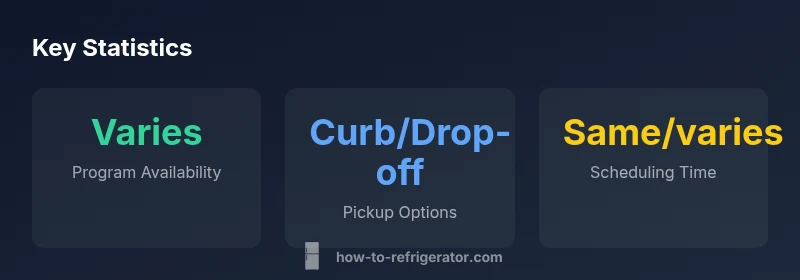
Yes—free refrigerator recycling options exist in many communities, though availability varies by city. You can often schedule curbside pickup, drop-off at a designated recycling depot, or participate in retailer take-back programs at no charge. To confirm eligibility, check local government pages, utility sites, or retailer programs. This guide helps you compare options and prepare your unit for safe disposal.
Understanding Free Refrigerator Recycling: What Qualifies
According to How To Refrigerator, free refrigerator recycling is often offered by municipalities for end-of-life appliances that can pose environmental risks if mishandled. In practice, programs vary widely: some towns provide curbside pickup as part of normal waste service, others operate drop-off depots, and a few partner with retailers to take back old units when you buy a new one. Across urban, suburban, and rural areas, the most common thread is that any legitimate recycling option should recover refrigerants safely, prevent illegal disposal, and reuse or responsibly dispose of steel, plastic, and electronics. The How To Refrigerator team found that when programs are clearly advertised as free, they typically include both upstream handling of hazardous materials and downstream processing that complies with environmental regulations. If your fridge is still cooling or freon-free but damaged, verify acceptance criteria before arranging a pickup to avoid delays or fees.
How to Find Local Free Recycling Options
Look beyond generic search results. Start with your city or county government websites, then check your utility provider’s sustainability page, and finally scan major retailers’ take-back offers. Use search queries like 'free refrigerator recycling near me', 'appliance recycling programs', or 'local fridge pickup'. When evaluating options, note driver qualification, whether haul-away is included at no cost, and whether proof of ownership is required. The How To Refrigerator guidance suggests bookmarking several options and calling ahead to confirm current terms, as programs change with funding cycles and environmental regulations. If you live in a multi-unit building, coordinate with property management or the HOA to schedule a centralized pickup. Community events and county hazardous waste days can be an alternative path, especially for units that aren’t eligible for curbside services.
What Your Fridge Must Have to Be Accepted
Recycling programs often accept most standard household fridges, but some restrictions apply. In many cases, the unit should be complete and safe to handle, with doors in place or properly secured to prevent injuries, and without hazardous modifications. Fridges that no longer refrigerate may be eligible for bulk pickup; others require that the appliance not contain freon or that freon has been recovered by licensed technicians. Many programs require proof that you own the appliance or reside at the delivery address. For model numbers or serials, have the label handy; some depots use this information to determine eligibility, track the item, and record the disposal for environmental reporting. If you’ve modified the fridge or removed components, check with the program before you bring the unit in.
Step-by-Step: Prepare and Schedule a Pickup
- Gather documentation such as a photo ID and proof of address where the appliance is located. 2. Unplug the unit, defrost if needed, and drain any residual water from the tray. 3. Remove shelves and any doors or ensure doors are secured so the unit can be moved safely. 4. Collect model/serial numbers and prepare a quick description of the fridge’s condition. 5. Contact the chosen program or retailer to schedule pickup or confirm drop-off hours. 6. On the day, follow the driver’s instructions and provide access as needed. 7. After disposal, request a receipt for your records and any recycling certificates.
Common Pitfalls and Hidden Fees
Even when a service is advertised as free, certain conditions can trigger charges. Always read the terms for haul-away, restricted areas, or non-standard appliances. Some programs require proof of ownership or proof of residency; others impose time windows that don’t fit your schedule. If your building cohort requires a shared pickup, coordinate with management to avoid duplicate trips or miscommunications. Avoid disposing of freon or other hazardous components yourself; improper handling can lead to fines and environmental harm. Finally, verify that the recycling facility is certified and follows recognized environmental standards.
Environmental Impact and Health Considerations
Proper refrigerator disposal protects the environment and public health. Refrigerants, oils, and foams carry potent greenhouse gases and ozone-depleting substances when released improperly. Reputable programs ensure refrigerant recovery, proper venting control, and safe disposal of metals and plastics. In many areas, disposal records are kept for regulatory reporting and to support the recycling stream, which in turn reduces demand for virgin materials. Choosing free, certified recycling supports circular economy goals and helps communities meet sustainability targets. The How To Refrigerator team emphasizes that responsible disposal is not optional—it’s a public health and environmental responsibility.
Long-Term Tips: Choosing Better Appliances and Reducing Waste
To minimize future recycling needs, invest in energy-efficient refrigerators with updated refrigerant types and better insulation. Look for ENERGY STAR certified models and compare annual running costs using independent sources. Consider replacement only when performance, safety, or reliability becomes unacceptable rather than out of habit. When repairs are possible, weigh the cost against buying a newer, more efficient unit. Additionally, plan for end-of-life disposal at purchase: many retailers offer take-back services or can direct you to free recycling options, ensuring a smooth transition to a more sustainable appliance setup.
Recycling program options
| Program/Option | Eligibility | How it Works |
|---|---|---|
| Curbside pickup | Residents with active service | City program picks up the fridge at curb on requested day; refrigerant is recovered on-site or at a processing facility |
| Drop-off depot | Residents with proof of address | Bring the appliance to a designated center; staff process and recycle components |
| Retailer take-back | Purchasing eligibility varies by retailer | Retailer may collect for recycling when you buy a new unit; verify no-fee take-back policy |
FAQ
Is fridge recycling always free?
In many places, yes, but some programs charge haul or processing fees. Verify with your local authority or retailer. Look for options labeled 'free' or 'no-cost' and ask for written confirmation.
Usually yes, but it depends on your area. Check local rules and ask for written confirmation.
What documents do I need to recycle my fridge?
Typically a photo ID and proof of address; some programs require proof of ownership. Online forms or verification calls may be part of the process.
Bring ID and proof of address; you might need ownership proof.
Can I recycle old freezers or only refrigerators?
Most programs accept refrigerators; many also accept freezers, but check local rules, as some facilities specialize in one appliance type.
Check what’s accepted—some programs take freezers too.
How long does pickup scheduling take?
Scheduling times vary by city; you may get same-day pickups or be placed on a waiting list up to a few weeks.
Scheduling can range from same day to a couple of weeks.
What should I do with refrigerant tanks?
Refrigerants must be recovered by licensed technicians. Do not vent or open the system yourself; let the recycler handle this step.
Don't mess with refrigerants; let pros handle it.
“Free refrigerator recycling can be a straightforward way to dispose of an old unit when programs are clearly advertised and operated by trusted entities. Proper disposal protects communities and the environment, and certified facilities ensure safe handling of refrigerants.”
Top Takeaways
- Start with free, certified options and verify eligibility.
- Compare pickup vs drop-off based on your schedule.
- Prepare the fridge safely to avoid hazards.
- The How To Refrigerator team recommends prioritizing free programs and documenting disposal.