Who Can Pick Up an Old Refrigerator: A Homeowner's Guide
Learn who can pick up an old refrigerator, how to prepare it for pickup, and how to choose the right service. Practical steps for homeowners.


Who can pick up an old refrigerator
The question of who can pick up an old refrigerator ranges from city programs to private services, and it hinges on local rules and the unit's condition. According to How To Refrigerator, the best first step is to identify the eligible paths in your area: municipal bulky-item pickup, licensed appliance recyclers, and nonprofit or charity partners that accept donations. If the unit still functions, donors often prefer charitable routes that extend the appliance's life. If it does not work, disposal or recycling is typically required. The key is to clarify your goal—donation, recycling, or simple removal—and then compare options. How To Refrigerator emphasizes starting with the local waste department for an accurate list of eligible providers. As you navigate options, remember that availability and pricing can vary by jurisdiction, so stay flexible and plan ahead to minimize delays.
Local programs and pickup options
Across regions, several distinct pathways exist for old refrigerators. Municipal programs often run scheduled bulky-item pickups, curbside drop-off events, or specialized recycling days. Private recyclers and haul-away services provide door-to-door pickup, sometimes with a fee. Charities or reuse centers may accept working units for donation, offering an opportunity to support community programs. When you search for who can pick up an old refrigerator, focus on reliability, licensing, and environmental practices. Look for proof of proper refrigerant disposal and responsible recycling processes. The How To Refrigerator team notes that choosing a reputable provider reduces the risk of improper disposal and potential fines. Always confirm whether you need to schedule online or by phone and what access the crew will require to reach the unit.
Working vs non-working units: donation vs disposal
The status of your refrigerator heavily influences the pickup path. If it still runs and cools, donation through a charity or reuse program can be an excellent option, extending its usefulness and reducing waste. Non-working units generally move toward disposal or professional recycling that safely handles refrigerants. Some programs will accept non-working fridges for parts, while others require the unit to be drained and prepared for removal. In any case, document the fridge's condition and communicate it clearly to the pickup service. This helps ensure they bring the correct equipment and that the process complies with local rules. The goal is to minimize environmental impact while ensuring safe handling of the appliance.
Steps to schedule a pickup
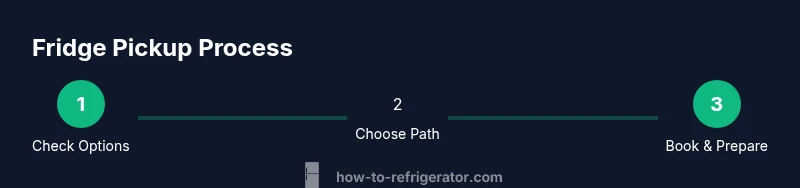
Scheduling a pickup begins with identifying approved providers in your area. Next, compare service windows, required access, and any fees. Then request a pickup, providing basic details such as your address, unit location, and whether doors have been removed. If you plan to donate, specify whether the unit is working and if the charity accepts donations at your address. Finally, confirm the appointment and note any access instructions. If you encounter a busy period, consider requesting a standby slot or asking for a late cancellation policy to avoid unnecessary charges. Planning ahead is essential to secure a smooth handoff and prevent the fridge from lingering in the hallway or driveway for too long.
Preparing the fridge for pickup
Preparation is the cornerstone of a safe and efficient pickup. Unplug the unit and allow any ice from the freezer to melt; drain any residual water if possible. Remove doors or secure them with temporary supports to prevent injuries, and clear the area around the path from the unit to the curb or truck. Disconnect any auxiliary lines (such as ice-makers) only if you are comfortable doing so, following the manufacturer’s safety guidelines. Remove shelves and loose items to avoid damage during transport, then wrap the fridge in moving blankets or thick plastic to protect it. Clear the entryways and ensure there is enough space for the crew to maneuver the appliance onto their vehicle without swinging doors into walls or furniture. These steps reduce the risk of damage and injury during pickup, and they help the crew perform the handoff quickly and safely.
Safety and environmental considerations
Handling a large appliance requires attention to safety and environmental responsibility. If the fridge contains refrigerants, it should be handled by a licensed technician who can reclaim the refrigerant in accordance with local regulations. Never attempt to vent or release refrigerants yourself. Use proper lifting techniques to protect your back, and avoid lifting with doors still attached, which can cause doors to swing and injure bystanders. Always confirm the pickup service's compliance with environmental standards and recycling practices. By choosing reputable providers, homeowners support responsible disposal and reduce the risk of violations that could incur penalties. How To Refrigerator emphasizes relying on certified practitioners to handle any hazardous components.
Choosing the right pickup service
When selecting a pickup service, weigh reliability, licensing, and environmental stewardship over price alone. Municipal programs can be affordable or free, but they may have strict windows or limited item counts. Private haulers offer flexibility but can vary in cost and service quality. Charities often provide donation pathways for working fridges and may require pickup at specific times. The most important factors are whether the service is licensed to handle refrigerants, whether they will ensure proper recycling or donation, and whether they provide a clear, written estimate of any fees. Based on How To Refrigerator analysis, a transparent provider with clear documentation minimizes risk and confusion for homeowners.
What information to provide when you book
To expedite pickup, prepare essential details before contacting the service: your address and access instructions (gate codes or elevator availability), the fridge’s location, whether it has a functioning ice maker, and any relevant photos. Note if doors have been removed or secured and whether the space is accessible to a truck, with room to maneuver. If you are donating, indicate whether the unit still runs and if the recipient charity accepts non-working units. Having the serial number, model, and approximate dimensions can help the crew assess the best equipment and approach. Providing a precise description reduces delays and ensures the handoff goes smoothly.
Common mistakes to avoid
Missteps during planning can complicate pickup. Avoid mislabeling the appliance as bulk waste without confirming eligibility. Don’t leave the fridge near entryways or obstruct the path with furniture or boxes. Failing to remove doors or secure shelves can risk injury and damage. Scheduling pickups during bad weather or peak traffic periods may cause delays, so aim for a calm window and confirm the appointment a day ahead. Finally, always verify refrigerant handling requirements with the provider to prevent accidental environmental harm and penalties from improper disposal.
Final checklist before pickup
Before the crew arrives, double-check: is the fridge unplugged and defrosted? Are doors removed or secured? Is the path clear from the unit to the truck, with no tripping hazards? Do you have the appointment confirmation and any required identification handy? Ensure access instructions are visible and legible for the crew, and have contact information ready in case of delays. By following this checklist, you reduce the chance of miscommunication and ensure a smooth, safe, and compliant pickup process. The end result is a properly removed appliance, donated or recycled as appropriate, with minimal disruption to your home life at the moment of handoff.