Refrigerator Without Electricity: Safe Cooling During Power Outages
Learn practical steps to keep foods safe when your refrigerator has no power. This guide covers non-electric cooling methods, food safety, and smart planning for outages.


During a power outage, you can extend the life of perishable food by keeping a refrigerator without electricity at a safe temperature as long as possible. Minimize door openings, transfer items to a powered freezer if available, and use coolers with ice packs or dry ice. The How To Refrigerator team recommends pre-planning non‑electric cooling options and proper food handling.
What does 'refrigerator without electricity' really mean?
A refrigerator without electricity describes a temporary cooling strategy using non-electric methods to keep perishable foods within safe temperatures when the compressor cannot run. Homeowners often face outages due to storms, grid failures, or maintenance. In such moments, understanding how long food can stay cold and which items need urgent attention becomes critical. The How To Refrigerator team notes that you can stretch safety by acting quickly and using simple tools like insulated coolers, bagged ice, or even dry ice in a controlled setup. Start by identifying what you have on hand: a powered freezer, extra ice packs, or a large insulated cooler. Clear a plan that keeps the cold chain as intact as possible until electricity returns. Remember, even short outages can push foods out of the 40°F (4°C) safety threshold if doors are opened frequently; every minute counts.
Why temperature control matters for safety
Bacteria multiply rapidly when foods spend time in the danger zone (between 40°F/4°C and 140°F/60°C). Keeping perishables cold slows growth and reduces the risk of foodborne illness. Even in a powered outage, a tightly managed non-electric cooling setup can maintain safe temperatures for a limited window. The USDA guidance emphasizes that food kept at or below 40°F (4°C) remains safest, while foods above that level should be consumed or discarded promptly. In practice, you may have a practical window of a few hours to days depending on the amount of ice, the insulation of your cooler, and outdoor temperatures. For planning, assume a typical household's fridge will lose cooling capability within a few hours unless you have a robust alternative. How To Refrigerator analysis suggests preparing a simple contingency plan before storms or outages occur, including ready-to-use ice and a powered freezer option when available.
Quick-start plan for an outage
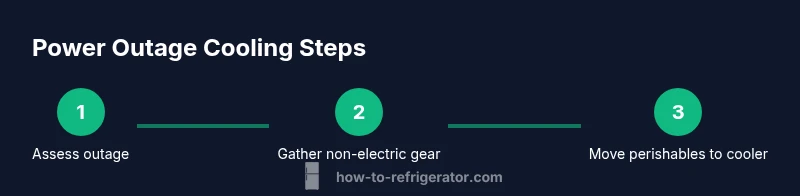
To act fast, first confirm the outage duration if possible with utility notifications or a neighbor’s report. Then assemble your non-electric cooling toolkit: a sturdy insulated cooler, at least two large ice packs, a thermally insulated bag for dairy, and a thermometer to monitor temperature. Immediately minimize door openings to reduce heat gain. Move highly perishable items such as dairy, meat, eggs, and leftovers into the cooler setup, layering ice and ensuring a tight lid. If you have and can safely handle dry ice, place it in a separate, ventilated container away from food; never seal dry ice in a tightly closed container. Finally, keep a rough log of times and temperatures and adjust as conditions change. This proactive plan helps protect food safety while you wait for power restoration.
Non-electric cooling options you can deploy now
Beyond a basic cooler, you can expand cooling with a larger chest cooler placed in a cool, shaded area or a temporary second fridge powered by a generator or battery backup if available. Using multiple ice packs around the perimeter and stacking items to maximize cold air contact improves efficiency. Dry ice offers high cooling capacity but requires careful handling: wear gloves, keep it away from kids, and ensure adequate ventilation. Gel ice packs provide a gentler alternative for longer outages. For apartments or small kitchens, a small portable electric thermoelectric cooler fed by a generator can bridge short outages, but avoid running engines indoors due to CO2 risk. In all cases, separate raw meats from ready-to-eat foods to prevent cross-contamination and maintain clean surfaces between uses.
How to transfer and organize perishables
When relocating perishables to non-electric cooling, prioritize items by perishability and shelf life. Place dairy, eggs, and leftovers on top rows of the cooler where temperatures stay most stable, while meats sit in the middle on ice to shield from warm air. Keep a water bottle of thawed ice around to prevent temperature spikes. Use waterproof labels to track item times since the outage began and rotate stock to use older items first. Refrain from packing items too tightly; air should circulate around foods to maximize cooling. As you re-stock, avoid opening the main refrigerator door more than necessary and continue monitoring temperatures to prevent a return to unsafe conditions.
Practical checks: thermometer, temperatures, and safety thresholds
A dedicated fridge thermometer or digital ambient thermometer provides real-time readings; aim to keep the fridge below 40°F (4°C) and the freezer as close to 0°F (-18°C) as possible. If you must, keep a separate infrared thermometer handy to spot temperature hot spots on foods or containers. Record temperatures every 30-60 minutes and compare to safety thresholds: if the fridge rises above 40°F (4°C) for more than two hours, start safe-discard decisions for dairy, meats, and seafood. For stretch outages, consider moving fragile items to a cooler with dry ice or ice packs or transferring them to a neighbor's powered fridge if permitted. When power returns, perform quick sanitization of shelves and containers before returning foods to their original storage.
When power returns: safe resumption and cleanup
Once the electricity is restored, inspect and cool foods gradually to prevent rapid temperature changes. Do not refreeze thawed foods unless they have remained at safe temperatures and show no signs of spoilage. Separate partially thawed foods and check for off-odors or unusual textures before deciding whether to discard. Re-run your normal cooling routines and check the fridge’s seals and condenser coils; a small outage can be a good reminder to clean these parts. If you experience repeated outages or persistent cooling issues, consider upgrading insulation or adding a more reliable backup cooling solution. Consistently following official guidelines from USDA and health authorities minimizes risk during future outages.
AUTHORITY SOURCES
- USDA FSIS: Keeping food safe during power outages. https://www.fsis.usda.gov/food-safety/safe-food-handling-and-storage/storage/keeping-food-safe-during-power-outages
- University of Minnesota Extension: Food safety during power outages. https://extension.umn.edu/preservation/food-safety-during-power-outages
- CDC: Keeping food safe during power outages. https://www.cdc.gov/foodsafety/keep-food-safe-during-power-outages.html
These sources provide practical temperature guidance and recommended practices for safeguarding food when electricity is unavailable. The recommendations align with the How To Refrigerator approach of proactive planning and careful handling during outages.
Additional tips and common mistakes
- Pro_tip: Prepare a dedicated outage kit in advance and rehearse the steps so your family can act quickly.
- warning: Do not rely on makeshift cooling methods if temperatures are extreme or you have vulnerable individuals in the home.
- note: Label items and track timing to prevent confusion during outages.
- pro_tip: Keep a small, battery-powered fan near the cooler to improve airflow and even cooling.
- warning: Do not place dry ice directly on food or seal it in a closed container.
- note: When in doubt about a food's safety, discard it to minimize risk.
Tools & Materials
- Sturdy insulated cooler with lid(Choose a cooler large enough to hold all perishable items without crowding; look for at least 60-80 quarts.)
- Ice packs or block ice(Having multiple large packs increases cooling efficiency; target 2-3 inches of ice around items.)
- Thermometer (fridge or ambient)(Digital or analog; place in the coolest part of the cooler to monitor temperature accurately.)
- Dry ice (optional but powerful)(Use gloves, ventilate area, and avoid sealing; keep away from direct contact with food.)
- Plastic waterproof labels(Label items with outage start time and use-by guidance.)
- Small utility towel or absorbent pad(Mops up condensation and protects surfaces.)
Steps
Estimated time: 2-6 hours
- 1
Assess outage and gather supplies
Check the expected outage duration if possible, then gather a sturdy insulated cooler, ice packs, a thermometer, and any dry ice you can safely handle. This preparation minimizes heat gain once the fridge stops cooling. Having everything ready before you start moving foods reduces the risk of leaving perishables exposed.
Tip: Keep the cooler away from direct sunlight and heat sources to maximize cooling efficiency. - 2
Move perishables into cold storage
Transfer dairy, eggs, meats, and leftovers into the cooler or a powered freezer if available. Layer ice around items and keep the lid closed to maintain low temperatures. Do not overload; allow air to circulate for even cooling.
Tip: Place the most perishable items toward the coolest part of the cooler, not near the lid. - 3
Limit door openings and monitor
Every opening lets warm air in, so plan ahead before checking contents. Use the thermometer to track temperatures every 30-60 minutes and adjust plans if the temperature climbs toward 40°F (4°C).
Tip: Group foods by perishability to minimize rummaging and heat gain. - 4
Use dry ice or alternative cooling if available
If using dry ice, keep it in a ventilated container away from food, and never seal it in a closed bottle or bag. Alternatively, add more ice packs to extend cooling for longer outages.
Tip: Never touch dry ice with bare hands; use gloves and tongs. - 5
Document times and plan reintroduction
Maintain a log of when items were moved to cooling and the temperatures observed. When power returns, reintroduce items gradually to avoid temperature shocks, and sanitize surfaces before returning foods to the fridge.
Tip: If any item has been above 40°F (4°C) for more than 2 hours, consider safety guidelines for discard. - 6
Return to normal operation safely
Once electricity is restored, check the fridge for any signs of spoilage and reset temperatures to standard levels. Do not refreeze thawed items unless they have remained cold and intact. Clean shelves and coils if needed to restore efficiency.
Tip: Run the fridge at the correct temperature for several hours before adding back all items.
FAQ
What should I do first when the power goes out and my refrigerator stops cooling?
First, check if the outage is temporary and gather your non-electric cooling gear. Move perishables to a cooler or preserved space, minimize door openings, and monitor temperatures. If the outage lasts long, prioritize items by perishability and dispose of any food that has been above 40°F (4°C) for more than a couple of hours.
First, check the outage duration, gather your cooling gear, and move perishables into a cooler while keeping the fridge closed to preserve its cold.
Is it safe to use dry ice in a regular refrigerator during an outage?
Dry ice can provide powerful cooling, but it must be used in ventilated spaces and never placed directly on food or sealed in a container. Always wear gloves and follow manufacturer safety guidelines.
Dry ice can help, but handle it carefully and never seal it with food inside a closed space.
How long can perishable foods stay safe in a non-powered setup?
The safe window depends on the cooling setup. Generally, a well-insulated cooler with ample ice can keep foods safe for several hours, while a full freezer can maintain safe temperatures longer. Monitor with a thermometer and be prepared to discard dairy, meat, and leftovers if temperatures rise above safe levels.
A well-insulated cooler can keep foods cold for several hours; monitor temps and discard risky items if they rise.
Can I move all items to a non-powered cooler permanently during outages?
During a short outage, you can relocate perishables to a cooler, but non-permanent solutions may not sustain long-term storage. Always reassess items as temperatures change and consider alternatives like a backup generator for longer outages.
Yes, you can use a cooler for a short outage, but consider backup options if outages persist.
What should I do when the power returns and the fridge is warm?
When power comes back, do not overload the fridge. Bring temperatures back to safe levels gradually and reintroduce items slowly. Check for spoilage signs and sanitize shelves before placing foods back inside.
Let the fridge return to normal gradually, check for spoilage, and sanitize shelves before restocking.
Watch Video
Top Takeaways
- Plan ahead with non-electric cooling options.
- Keep foods below 40°F (4°C) when possible.
- Monitor temperatures and discard risky items promptly.
- Use dry ice or ice packs safely and wisely.
- Return to normal operation carefully after power resumes.