How to Keep a Refrigerator Cold Without Electricity
Learn practical, safe methods to keep your fridge cold during power outages using insulation, ice, and smart food handling. This How To Refrigerator guide helps homeowners protect perishables when the power is out.


Goal: Keep a refrigerator cold without electricity by leveraging insulation, passive cooling, and safe storage practices. You’ll learn practical techniques such as optimizing door openings, using ice blocks or frozen packs, relocating items to cooler storage, and preserving perishables safely during outages. The steps combine quick, low-cost fixes with timing guidance to minimize spoilage and maintain food safety when power is out.
Why no-power cooling matters
Keeping a refrigerator cold without electricity is more than convenience—it's about food safety, waste reduction, and staying prepared during outages. According to How To Refrigerator, effective no-power cooling relies on a combination of insulation, strategic food placement, and timely decision-making. In this guide on how to keep a refrigerator cold without electricity, we'll walk you through practical techniques like optimizing door openings, using ice blocks or frozen packs, and creating temporary storage solutions that buy you time while power is out. By following these steps, you can minimize spoilage and protect your family’s food.
Understanding safe temperature and food safety basics
Food safety during energy outages hinges on keeping perishables out of the temperature danger zone for as long as possible. While exact times depend on ambient heat and how well food is sealed, the overarching rule is to minimize exposure to warm air and to check foods for spoilage signs frequently. The How To Refrigerator team emphasizes using a thermometer where possible and re-securing cold storage quickly once power returns. Safe handling during outages means prioritizing dairy, meat, and prepared leftovers and avoiding cross-contamination by keeping raw items separate in any temporary storage.
Assessing your space and choosing storage options
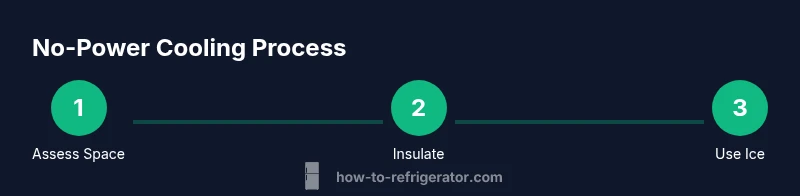
Before you start, assess the room temperature, the fridge’s placement, and available storage options around the home. A shady, cool corner away from direct sun and heat sources will retain cold better than a sunny, enclosed space. If you own a secondary cooler or cooler bags, plan to transfer perishable items there at the first sign of long outages. The goal is to create a temporary cold zone that minimizes heat gain while you wait for electricity to return. Our guidance aligns with standards from How To Refrigerator Analysis, 2026, to help you make informed choices.
Insulation and sealing strategies
Improving insulation around the fridge and any secondary cool storage dramatically reduces heat gain. Use reflective blankets or foam insulation to cover exposed surfaces, seal gaps with tape, and create a tighter seal around doors where feasible. If you have spare foam boards, cut them to fit gaps between the fridge and its cabinet to slow heat intrusion. Improved insulation buys you time and reduces the frequency of door openings, which is critical during outages when every second of cooling matters.
Using ice and passive cooling methods
Ice blocks, frozen bottles, and cold packs are your best allies when power is out. Place them strategically around the fridge interior to maximize cold air convection and maintain a lower average temperature. Avoid placing ice directly in contact with food unless in a sealed container to prevent moisture damage. If you have a large cooler, line it with towels to absorb moisture and place perishable items in sealed containers on top of the ice. These passive cooling methods can sustain a safer environment for several hours, especially if the ambient temperature is moderate.
Setting up a temporary storage plan
Develop a concrete plan for where each category of food will go during an outage. Non-perishables can stay on shelves, while perishables should be relocated to a dedicated cooler or kept in the main fridge if it remains near the original temperature. Label items clearly, group ready-to-eat foods separately from raw meats, and avoid stacking items too tightly where air cannot circulate. A well-organized plan minimizes waste and reduces the risk of serving unsafe foods once power returns.
Food handling and safety during outages
During outages, always practice strict food handling: wash hands before moving foods, keep raw and cooked items separate, and cover surfaces to prevent contamination. Use your thermometer to monitor the temperature of stored foods when possible, discard anything that shows off smells, unusual textures, or visible mold. Timely decisions reduce waste and protect your household. If you suspect a temperature breach, assume food is unsafe and discard accordingly. The emphasis is on cautious judgment rather than risk-taking with perishable items.
When to discard foods
If perishables show signs of spoilage—off smells, slimy textures, or discolored surfaces—discard them. When in doubt, err on the side of safety. This approach minimizes the risk of foodborne illness and avoids the stress of managing a contaminated fridge after power returns. Planning ahead by separating borderline items can make the decision easier and faster, limiting waste and protecting health.
Creative storage arrangements around the home
Look for nearby cooled spaces in your home, such as a basement, a shaded garage with airflow, or a neighbor's refrigerator with permission. Use sealable containers and ice packs to transfer items when possible. If you have a chest freezer, keep it closed as much as possible to maintain low temperatures. The goal is to preserve the cold chain where practical, buying time until power is restored.
Practical budgeting and time estimates
No-power cooling is not expensive, but it does require planning. Use what you have: blankets, towels, a few bags of ice, and any spare coolers. If you anticipate outages, consider small investments like insulative curtains or foam sheets to improve efficiency. Time estimates vary by ambient temperature and insulation quality; plan for several hours of active management and multiple checks as the outage progresses.
Myths and common mistakes to avoid
Common myths are that any cooler is good enough or that thawed foods regain safety after cooling. Debunking these fears is essential to food safety. Always use a thermometer, avoid opening doors unnecessarily, and never rely on improvised cooling as a substitute for proper refrigeration for long periods. Realistic expectations and careful handling protect your family and reduce waste.
Final planning for power restoration
As power restoration approaches, begin transitioning foods back to the fridge with caution. Reassess temperatures, re-seal storage, and re-introduce cold items gradually to prevent a rapid temperature rise. Document what worked and what didn’t during the outage so you can refine your plan for future events. The How To Refrigerator team recommends keeping a small outage kit on hand and reviewing your strategy before the next blackout.
Tools & Materials
- Insulated storage solutions (blankets, reflective emergency blankets, foam boards)(Use to cover fridge exterior and seal gaps)
- Cooler with lid(Choose one with tight-sealing lid; add towels for moisture control)
- Ice blocks or frozen bottles(Keep frozen items ready and rotate as needed)
- Thermometer (fridge thermometer or digital probe)(Monitor interior temperatures to stay within safe ranges)
- Sealing tape or duct tape(Seal small gaps around doors or storage areas)
- Sealable containers(Keep foods in sealed containers to prevent moisture and odor transfer)
- Marker and labels(Label perishable items and dates for quick decisions)
Steps
Estimated time: 3-6 hours
- 1
Prepare space and supplies
Survey the area, gather insulation, cooler, ice blocks, thermometer, and sealable containers. Clear any clutter to allow air circulation around the primary fridge and any secondary cold storage. Having everything ready minimizes delays when outages occur.
Tip: Keep supplies in a designated outage kit so you can grab them quickly. - 2
Check current temperatures and set targets
If you can monitor, note the fridge and ambient temperatures. Set a target of maintaining the lowest feasible interior temperature given your space and ice availability. This helps you judge when to transfer items to secondary storage.
Tip: Aim for a conservative target to extend safe storage time rather than chasing perfect temperature. - 3
Improve insulation around the fridge
Apply blankets or foam boards to exposed surfaces and seal gaps around the door frame. Improved insulation reduces heat gain and keeps the internal temperature lower for longer.
Tip: Make sure any insulation doesn't block ventilation vents on the fridge. - 4
Set up a dedicated cooler zone
Position the cooler in a cool, shaded area and place ice blocks or frozen bottles inside. Line the bottom with towels to catch condensation and keep foods elevated away from direct cold contact.
Tip: Do not place raw meat directly on ice; use sealed containers. - 5
Transfer perishables to secondary storage
Move highly perishable items (dairy, meats, prepared foods) to the cooler or the primary fridge if it remains cool enough. Keep non-perishables on shelves to minimize opening and noise.
Tip: Label items with date and contents to simplify future decisions. - 6
Minimize door openings
Open the fridge and cooler only when necessary. Each opening introduces warm air that can raise temperatures quickly, shortening safe storage time.
Tip: Plan meals ahead so you don’t need to access foods frequently. - 7
Monitor and adjust every few hours
Check thermometer readings and ice levels; replace or relocate ice blocks as needed to sustain the cold zone.
Tip: Keep spare ice blocks available for quick replacement. - 8
Plan for power restoration
Track expected power return and gradually reintroduce items into the fridge to avoid shocking foods with rapid temperature shifts.
Tip: Don’t overcrowd the fridge on return; allow air to circulate.
FAQ
Can a refrigerator stay cold without electricity?
Yes, to an extent. Relying on insulation, proper storage, and passive cooling can keep foods safer for a period during outages, but perishable items require careful handling and prompt transfer to any available cooling solution.
Yes, you can maintain some cooling for a while using insulation and a cooler, but you should move perishables to safe storage quickly.
Is it safe to store dairy or meat without electricity?
Dairy and meat are high-risk during outages. Keep them in sealed containers within a cooler with ice when possible, and discard if you cannot maintain a safe temperature for an extended period.
Dairy and meat are high-risk during outages—use a cooler with ice and discard if you can't keep them cold enough.
What is the best way to use ice blocks during an outage?
Distribute ice blocks around the cooler or fridge area to promote even cooling. Replenish as needed and avoid direct contact with foods unless properly sealed.
Spread ice blocks around the cooler and replace them as needed, keeping foods sealed.
Can I use dry ice to supplement cooling?
Dry ice can help, but it requires careful handling and ventilation. Do not place dry ice directly against foods or skin; use in a well-ventilated area and inside a covered container.
Dry ice can help, but handle it carefully and never touch it directly with foods or skin.
How should I tell if food is still safe?
Check for signs of spoilage such as off smells, unusual textures, or color changes. When in doubt, discard to prevent illness.
Look for off smells, texture changes, or color shifts and discard if unsure.
What about planning for power restoration?
As power returns, reintroduce foods gradually to avoid rapid temperature changes, and keep airflow inside the fridge to prevent hotspots.
When power comes back, add foods gradually and keep air moving inside the fridge.
Watch Video
Top Takeaways
- Plan ahead with insulation and a cooler.
- Minimize door openings to retain cold air.
- Use ice blocks and sealed containers for safe storage.
- Monitor food safety with a thermometer and sensible discard decisions.
- Prepare a restoration strategy to reintroduce foods gradually.