How to Replace and Clean a Refrigerator Air Filter: A Homeowner's Guide
Learn how to identify, clean, and replace your refrigerator air filter to boost efficiency, reduce odors, and protect cooling performance with clear, step-by-step guidance.


Goal: Identify the refrigerator air filter location, inspect its condition, and either clean or replace it to restore airflow, reduce odors, and improve energy efficiency. This quick guide covers how to confirm filter type, gather tools, perform safe removal, and seal the housing for optimal operation.
What is a refrigerator air filter?
The refrigerator air filter is a small cartridge or screen that traps dust, particles, and odors circulating inside the appliance. By filtering air before it cycles back into the fridge, it helps keep interior temperatures stable and minimizes odor transfer between containers. Not every model uses the same filter design; some sit behind a grille in the fresh-food section, others behind a freezer panel. Always check your model’s user manual or product page to confirm the exact filter type, size, and replacement interval. For many households, filters are disposable cartridges that are replaced rather than washed, but some models offer reusable or washable options. Keeping the filter clean or up-to-date is a simple but important part of routine fridge maintenance and can contribute to overall energy efficiency and air quality.
According to How To Refrigerator, maintaining a clean refrigerator air filter helps preserve energy efficiency and air quality. This small step can prevent heavy dust buildup that forces the fan to work harder, which in turn can save energy and reduce wear on components over time.
Why you might need one
Filters matter even if you don’t notice obvious odors. A clogged or dirty filter can reduce air circulation, which makes the cooling system work harder to maintain set temperatures. In humid environments or homes with pets, dust and dander accumulate more rapidly, and an effective filter helps keep the interior environment cleaner. A fresh or clean filter can also improve the taste and odor of stored foods by reducing circulating odors. If your fridge has a warning light or reminder to replace the filter, follow that schedule; if not, use common-sense cues like visible debris, reduced airflow, or longer cooling times as signals that service is due. This maintenance habit ties into broader energy-efficiency goals and aligns with best practices recommended by industry guides and consumer research.
How To Refrigerator analysis shows that regular attention to the fridge’s air filtration is a key part of keeping appliances running efficiently and maintaining a healthier indoor environment. By treating the filter as part of your maintenance routine, you can avoid surprises such as spoiled foods or uneven cooling.
How to identify the right filter
To avoid buying the wrong part, identify the exact model of your refrigerator and locate the filter type designated by the manufacturer. Check the part number printed on the existing filter frame, or consult your owner’s manual for the correct filter family (for example, a specific cartridge size or a reusable mesh filter). When ordering online, use the model number plus the word filter to narrow results. If you can’t locate the manual, visit the brand’s support site with your refrigerator model number; many sites offer a downloadable PDF that lists compatible filter types and part numbers. Note the filter orientation arrows on the new filter to ensure correct installation, and confirm there are no obstructions in the housing before replacing.
Identifying the right filter reduces return trips to the store and minimizes the risk of poor filtration due to an ill-fitting part. A properly matched filter also protects the fan and condenser from debris that can impact efficiency and performance.
Cleaning vs replacing: making the call
If your model uses a reusable, washable filter, you can typically clean it in warm water with a mild dish soap, then air-dry completely before reinstalling. If you’re dealing with a disposable cartridge, replacement is the preferred option. Swapping to a new filter ensures you aren’t recirculating trapped particles or odors and prevents the risk of a degraded seal that can degrade performance. In many cases, a washable filter will still require periodic replacement after a set number of cleanings or a time-based schedule. Always dry and reinstall the filter housing securely to prevent airflow leaks. When in doubt, replace rather than clean a disposable filter to maintain filtration efficiency and air quality.
Signs your filter needs attention
Look for visible dust buildup on the filter, a noticeable drop in airflow from vents, or longer cooling times. If the interior smells stale or if ice or frost buildup increases in the freezer compartment, the air pathway could be compromised, and the filter may be overdue for replacement. A humming or unusual fan noise can also indicate airflow restriction due to a clogged filter. Regular visual checks and listening for changes in performance are effective ways to catch filtration issues early. Addressing these signs promptly helps protect your groceries, maintain consistent temperatures, and reduce energy use.
Addressing issues early can prevent larger problems and keep your refrigerator operating as designed.
Maintenance plan and long-term care
Create a simple maintenance cadence that fits your household. For many homes, checking the filter every few months is reasonable, with a full replacement when you notice reduced airflow or odors. Keep a small maintenance log near the fridge documenting the date of replacement and the filter type used. If your model supports a filter life indicator, reset it after every replacement and follow the manufacturer’s reset procedure. Pair filter maintenance with other routine fridge care, such as cleaning condenser coils and door gaskets, to extend overall appliance life. This proactive approach aligns with energy-efficiency best practices and helps preserve the freshness of stored foods.
Authority sources
- https://www.energystar.gov
- https://www.epa.gov/indoor-air-quality
- https://www.consumerreports.org
These sources provide context on energy efficiency, indoor air quality, and consumer guidance related to home appliances. For model-specific recommendations, always refer to your refrigerator's manual and manufacturer support pages.
Tools & Materials
- Owner’s manual for your fridge model(To confirm filter type, size, and replacement interval)
- New refrigerator air filter (model-compatible)(Ensure compatibility with your model; check part number)
- Soft cloth or brush(For cleaning the housing and removing dust)
- Mild dish soap and warm water(Used for cleaning the housing if reusable filter is rinsed)
- Gloves(Protection for hands while handling filters)
- Flashlight(Illumination to locate the filter panel in dim spaces)
Steps
Estimated time: 25-40 minutes
- 1
Locate the filter housing
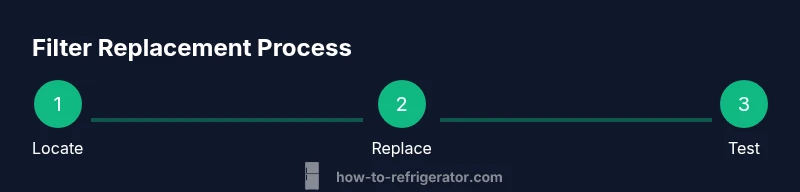
Open the access panel or grille that covers the refrigerator air filter. Use a flashlight to inspect the interior and identify the exact location and orientation of the filter. Confirm you have the correct replacement by checking the model number in the owner's manual.
Tip: If you’re unsure, photograph the housing before removing anything to ensure correct reassembly. - 2
Remove the old filter
Carefully pull the filter straight out, noting the direction of airflow arrows on the filter housing. Avoid twisting or bending the filter to prevent damage to the housing or seals. If the filter is stiff, wiggle gently while keeping it level to prevent debris from falling back into the air duct.
Tip: Have a cloth ready to capture any loose dust that may fall during removal. - 3
Inspect filter and housing for debris
Check the filter for visible dirt, moisture, or mold. Wipe the housing with a damp cloth and dry it before installing a new filter. A clean housing reduces the risk of cross-contamination and ensures a tight seal.
Tip: Do not reuse dirty filters; replacement is essential for filtration efficiency. - 4
Clean or rinse the filter housing (if reusable)
If you’re using a reusable filter, rinse it with warm water and a mild soap solution, then allow it to fully air-dry before reinstalling. Do not use harsh cleaners that could leave residues. Reassemble the housing only when completely dry to avoid mold.
Tip: Air-drying times can vary; ensure no moisture remains before reinstallation. - 5
Install the new filter
Insert the new filter in the same orientation as the old one, aligning airflow arrows with the housing. Push firmly until it seats and the edges sit flush against the seal. Close the housing panel securely to prevent leaks.
Tip: If you feel resistance, remove and reinsert to confirm correct orientation. - 6
Reinstall the housing cover and test
Snap the cover back into place and ensure it is locked. If your model has a filter indicator, reset it according to the manual. Run the fridge’s fan briefly to verify airflow returns to normal and listen for unusual noises.
Tip: A quick airflow check helps catch seating issues right away. - 7
Document the maintenance
Record the date of replacement and the new filter type in your fridge maintenance log. This helps you track replacements over time and plan for future maintenance. If your appliance has a service reminder, update it with the current date.
Tip: Mark a calendar reminder for the next filter check to maintain consistency. - 8
Dispose of or store the old filter
Dispose of disposable filters per local guidelines. If the filter is reusable, store it in a clean, dry place until its next cleaning cycle. Keep replacement parts organized to simplify future maintenance.
Tip: Keep spare filters in a labeled container to avoid misplacing them.
FAQ
Where is the refrigerator air filter located?
The location varies by model. Common spots include behind a grille in the fresh-food compartment, inside a freezer panel, or near the back wall of the fridge. Always consult the owner's manual or manufacturer support page for your specific model.
Most fridges place the air filter behind a grille or inside a small panel; check your manual to locate it quickly.
Can I clean a disposable refrigerator air filter?
Disposable filters are designed to be replaced, not cleaned. Cleaning can push debris through the filtration media or damage the seal, reducing filtration efficiency.
Disposable filters should be replaced, not cleaned.
How often should I replace the refrigerator air filter?
Follow the manufacturer’s guidance or use your best judgment based on odors and airflow. If there’s no indicator, plan a replacement when you notice reduced airflow or stale smells.
Replace it when you notice reduced airflow or odors, following your model’s guidance.
What happens if I run the fridge without a filter?
Air quality can decline, odors may worsen, and the cooling system might work harder, potentially increasing energy use and wear on components.
Running without a filter can worsen air quality and energy use.
Can I use a reusable filter in my fridge?
Only if your model supports a reusable filter. If yes, follow the manufacturer’s cleaning and drying instructions to maintain filtration efficiency.
Use a reusable filter only if your fridge supports it, and follow the cleaning steps carefully.
Do filters affect energy efficiency?
Yes. A clean, properly installed filter helps maintain optimal airflow, which supports consistent cooling and can contribute to better energy efficiency.
A good filter helps airflow and cooling efficiency, which supports energy savings.
Watch Video
Top Takeaways
- Identify the exact filter model before purchasing.
- Decide between cleaning reusable filters and replacing disposable ones.
- Install the filter correctly with the arrow directions aligned.
- Secure the housing and reset indicators as needed.
- Maintain a simple filter maintenance routine for energy efficiency.