Refrigerator Filter Air: A Homeowner's Guide to Fresh Fridge Air
Discover how refrigerator filter air affects odor, freshness, and energy use. Learn to choose, replace, and maintain filters with safe, practical steps for a cleaner, more efficient fridge.


By the end of this guide, you will know how to assess and replace the refrigerator filter air to improve odor control, air quality, and overall freshness. We cover how to identify when replacement is needed, how to choose the right filter type, and how to perform a safe, effective swap with minimal disruption to your daily routine.
What is refrigerator filter air, and why it matters
Refrigerator filter air refers to the air circulating inside your fridge after passing through a dedicated filter. The purpose is to remove odors, particulates, and volatile compounds that can transfer flavors between foods. Clean refrigerator filter air helps prevent lingering smells, preserves food quality, and supports a healthier kitchen environment. For homeowners tackling common fridge issues, understanding refrigerator filter air is the first step toward a fresher interior and more pleasant dining experience.
In many households, refrigerator filter air is the unsung hero of daily convenience. When the filter is effective, you notice less aftertaste on dairy and produce and fewer complaints about “funny” fridge smells. The How To Refrigerator team finds that paying attention to refrigerator filter air often reduces nuisance odors without costly remedies.
How refrigerator air filters work
Most refrigerator air filters use activated carbon or other adsorbent media to capture odors before air recirculates. The mechanism relies on surface chemistry that traps odor-causing molecules, allowing the fridge to maintain a neutral, clean aroma. Some models pair carbon with filtration layers for particle reduction, which also contributes to better overall air quality inside the refrigerator.
The efficiency of refrigerator filter air depends on proper fit, seal integrity, and placement. If the seal around the filter housing leaks or if the filter is incorrectly oriented, odors can slip through and diminish air quality. Regular checks help ensure the refrigerator filter air remains at peak performance.
Signs your refrigerator filter air needs replacement
- Noticeable odors despite cleaning shelves and dispensing items.
- Reduced air flow or uneven cooling that seems linked to the ice/air system.
- Visible changes in taste or aroma transfer between foods.
- An obvious “filter” indicator or a model-specific alert on the control panel.
When you see these signs, your refrigerator filter air is a likely culprit and replacing the filter is a practical, cost-effective fix. The goal is to restore the intended odor control and air flow so your fridge air stays fresh and inviting.
How to choose the right refrigerator filter air
- Model compatibility: Filters are model-specific. Always check your refrigerator’s owner manual or the label on the current filter housing to confirm compatibility.
- Filter type: Activated carbon filters are common for odor control; some models use multi-layer or HEPA-like media for additional purification.
- Fit and orientation: Ensure arrows and seals align with housing guides. A loose or misaligned filter can reduce efficacy and create gaps where odors escape.
- Replacement indicators: Some fridges provide a reminder or notification when replacement is due; if yours doesn’t, commit to a regular cadence based on odor or usage.
Choosing the right refrigerator filter air is essential for maintaining clean, neutral fridge air. The correct filter improves odor control and helps preserve the flavor integrity of stored foods.
Step-by-step overview for replacement (high level)
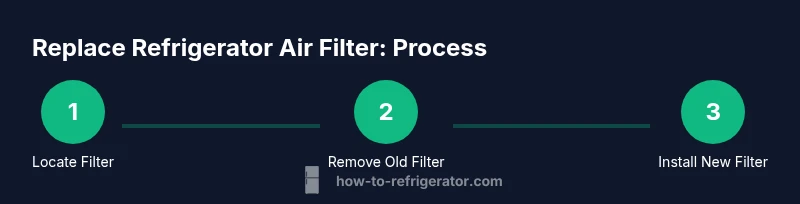
To replace refrigerator filter air, you’ll locate the filter housing, remove the old unit, clean the housing, and install a new filter in the correct orientation. After installation, run the refrigerator to verify air flow and odor reduction. This overview sets the stage for the hands-on steps in the dedicated step-by-step section.
Maintenance schedule and cadence for refrigerator filter air
A practical approach to refrigerator filter air is to replace on a cadence that matches usage and odors rather than chasing a calendar date. In homes with frequent grocery trips or strong-smelling foods, you may want to replace sooner. Conversely, if odors are minimal and the filter is clean, you can extend the interval. Always consult your model’s guidelines if available.
Regular checks on refrigerator filter air help prevent buildup of odors and ensure consistent air quality. A simple monthly visual inspection or a quick smell test can guide your schedule and keep your fridge air fresh.
Safety and disposal tips for refrigerator filter air replacements
- Power down when handling filters that require unplugging the appliance.
- Avoid moisture near electrical components; wipe any condensation with a dry cloth.
- Dispose of used filters according to local recycling or waste guidelines.
- Wear gloves if you’re sensitive to dust, and wash hands after handling filters.
Proper safety and disposal practices protect you and your home while preserving the environment.
Common mistakes to avoid with refrigerator filter air
- Replacing filters too late after odors become noticeable.
- Installing cotton-to-carbon misaligned or backward filters.
- Mixing filter media types that aren’t designed for your model.
- Forgetting to reseal housing after replacement, which allows air bypass.
Avoiding these mistakes helps ensure the refrigerator filter air remains effective and your fridge interior stays fresh.
Energy impact and cost considerations of improving refrigerator filter air
Improving refrigerator filter air can contribute to better energy efficiency by reducing the workload on the fan and cooling system when odors are minimized. While the upfront cost of filters varies by brand and model, choosing the right filter and replacing it when needed can reduce waste and odors, potentially extending the life of your fridge components.
OEM vs aftermarket filters: what homeowners should know
Original equipment manufacturer (OEM) filters are designed for specific models and can offer reliable performance. Aftermarket filters may be less expensive but should be verified for fit and filtration efficacy. Always check compatibility with your fridge’s model to maintain refrigerator filter air quality.
Real-world scenarios and quick fixes for refrigerator filter air
- Scenario 1: You notice strong odors after adding new groceries. Replace the filter and run air for a few hours to purge odors.
- Scenario 2: The control panel shows a filter alert. Replace the filter promptly and reset the indicator if needed.
- Scenario 3: Odors persist after replacement. Inspect housing for gaps, reseal, or consider a higher-capacity filter if your model supports it.
These scenarios illustrate practical steps to maintain refrigerator filter air without resorting to drastic measures.
The role of refrigerator filter air in overall freshness and appliance longevity
A well-maintained refrigerator filter air supports the overall freshness of stored foods and reduces the burden on cooling and deodorizing components. Regular replacement helps protect seals and fans from odor-related debris, preserving energy efficiency and prolonging appliance life. Proper care of refrigerator filter air is a straightforward win for homeowners seeking reliable kitchen performance with minimal disruption.
Tools & Materials
- New refrigerator air filter(Model-specific; confirm compatibility with your fridge model.)
- Soft cloth or microfiber cloth(For wiping the housing and removing dust.)
- Gloves(To keep hands clean and protected when handling filters.)
- Owner’s manual or model lookup(Helpful to confirm filter type and orientation.)
- Small flashlight(Helps inspect the filter housing for debris.)
Steps
Estimated time: 15-25 minutes
- 1
Locate the filter and verify compatibility
Open the fridge and locate the filter compartment. Check the model number or label on the current filter housing to ensure the replacement matches your unit. This step prevents mismatched filters that could compromise refrigerator filter air quality.
Tip: If your fridge has a bottom drawer or a top panel, refer to the manual to find the exact location without forcing panels loose. - 2
Power down and prepare the workspace
If your filter housing is near the power supply, unplug the unit or switch off the appropriate circuit. Clear spills and wipe surfaces to keep the area dry while you work. A clean, dry workspace helps protect the interior from moisture exposure.
Tip: Have a dry rag handy in case of minor condensation after opening the housing. - 3
Remove the old filter
Release the locking mechanism or twist the filter counterclockwise to remove it. Note the orientation of the old filter so you can replicate it with the new one. Bag or place the old filter in a sealable bag to avoid spreading any trapped odors.
Tip: Take a photo of the old setup if you’re unsure about orientation. - 4
Clean the housing and seal
Wipe the filter housing and seals with a damp cloth, then dry thoroughly. Check for cracks or debris that could affect seal integrity. A clean housing ensures optimal refrigerator filter air exchange.
Tip: Do not use harsh cleaners that could leave residues affecting air quality. - 5
Install the new filter
Insert the new filter in the correct orientation and lock it in place. Confirm it is seated fully to prevent air bypass. If your model uses arrows or labels, align them with the housing indicators.
Tip: Give the filter a gentle twist or click to ensure it’s securely fastened. - 6
Test air flow and reset indicators
Close the housing, restore power, and run the fridge to verify air flow and odor reduction. If there’s a filter indicator, reset it according to the manual.
Tip: Wait 5–10 minutes to allow the system to circulate and reach a stable level of refrigerator filter air quality.
FAQ
Do all refrigerators use the same type of air filter?
No. Filters are model-specific. Check your owner’s manual or the label on the filter housing to confirm compatibility before buying.
No, filters vary by model. Check the manual or housing label to confirm compatibility before purchasing.
How often should I replace the refrigerator air filter?
Replace based on odors and usage rather than a fixed date. If you notice smells or reduced air flow, replace the filter sooner.
Replace it when odors return or airflow drops, not just on a calendar date.
Can I clean a carbon filter instead of replacing it?
Most carbon filters are not washable. Cleaning can reduce effectiveness, so follow the manufacturer’s replacement guidance.
Carbon filters aren’t usually washable; replacement is usually recommended.
What are signs that air isn’t flowing well after replacement?
Persistent odors, uneven cooling, or frost buildup near the filter area can indicate poor air flow or a seal issue.
If odors stay or air flow is weak after replacement, check the seal and try reseating the filter.
Are there risks during replacement I should watch for?
Power off as needed, avoid moisture near electronics, and dispose of old filters properly to prevent contamination.
Turn off power if required and dispose of the old filter correctly to stay safe.
Watch Video
Top Takeaways
- Replace refrigerator filter air on a practical cadence, not just a calendar date.
- Choose model-compatible filters to preserve odor control and air flow.
- Always reseal the housing after replacement to maintain true refrigerator filter air quality.
- Clean the housing during replacement to prevent debris from entering the airflow.
- Test air flow after replacement to confirm improved refrigerator air quality.