How to Replace and Maintain a Filter for Refrigerator
Learn how to identify, replace, and maintain the filter for refrigerator to ensure clean water, safe ice, and efficient cooling. This How To Refrigerator guide covers filter types, compatibility, step-by-step replacement, and practical tips.


This guide shows you how to inspect, select, replace, and maintain a filter for refrigerator to ensure clean water and safe ice. You’ll learn how to verify compatibility, identify replacement triggers, and follow a step-by-step process you can do yourself. Following these steps helps your fridge run efficiently and protects your family’s drinking water. By the end, you’ll know when to replace, how to install, and how to test for quality.
Why a clean filter for refrigerator matters
A clean filter for refrigerator does more than improve taste. It reduces contaminants, prevents buildup in lines, and helps your ice maker stay reliable. When you replace a clogged filter, your fridge works more efficiently, which can save energy and prolong the life of the appliance. The How To Refrigerator team has tested common filters and found that even slightly restricted flow can cause the dispenser to appear slow and the ice cubes to melt poorly. Regular maintenance protects your home’s water quality and helps you meet safety standards without guesswork. By keeping the filter clean, you also limit mineral buildup that can affect ice clarity and appliance performance. For households that rely on filtered water daily, a timely replacement is a small but powerful maintenance habit. According to How To Refrigerator, a proactive approach to filter care keeps taste and safety at the forefront of everyday use.
Types of refrigerator filters
Most modern refrigerators use one of several filter styles. The most common are carbon block filters, which reduce chlorine taste and odors while trapping some particulates. Spin or push-in cartridges are common in side-by-side and French-door models, while some units use inline filters connected to the water line. There are also reverse-osmosis compatible filters for higher purity and specialized universal filters that claim broad compatibility. When selecting a filter for refrigerator, you should verify the model number on your fridge’s literature and cross-check the filter code on the existing unit. Always choose a filter that matches the exact dimensions and threading of your water line. Remember, a mismatched filter can leak or fail to seal properly. The right filter supports sustained taste quality, safer drinking water, and efficient operation over time.
Signs your filter needs replacement
If you notice a change in water quality, it’s a strong clue that your filter needs replacement. A noticeable taste or odor in drinking water, slower water flow from the dispenser, or cloudy ice are common indicators. Some refrigerators include an electronic indicator or a color-coded ring to alert you when a filter is nearing the end of its useful life. Even without an indicator, plan to inspect and replace based on usage. How To Refrigerator analysis shows that most homes benefit from checking the filter every six to twelve months, depending on usage and water quality. If you have well water or hard water, you may see changes sooner, and scheduling mid-year checks can prevent unexpected issues.
How to choose the right filter for refrigerator
First, locate your model number and the filter type code in the user manual or on the refrigerator damper panel. Then confirm compatibility with the filter’s brand and part number. Consider your local water quality and replacement frequency; higher levels of contaminants may require a premium carbon block or a multi-stage option. If your water is heavily chlorinated, opt for filters that emphasize taste and odor reduction. Finally, balance price and availability, but never sacrifice fit— compatibility is essential for clean water and safe ice. Always remember to consult the manufacturer’s guidance for your exact model when selecting filters.
How to remove an old filter safely
Before you touch the filter, turn off the water supply valve to prevent leaks. Place a towel or small tray under the area to catch any residual water. Depending on the model, you may need to twist the filter counterclockwise or pull straight out after releasing a latch. If the filter is stiff, don’t force it; try a gentle wiggle or a few degrees of rotation, then pull. Inspect the filter housing and gasket for cracks or wear; replace the gasket if it shows signs of damage. Keeping a clean area around the filter helps avoid spills and makes the replacement smoother. The objective is a dry, well-sealed housing that won’t leak once the new filter is in place.
How to install a new filter correctly
Remove the new filter from its packaging and remove any protective caps. Align the filter with the housing, making sure the arrows or grooves match the installation direction. Insert and twist clockwise until it clicks and locks, ensuring a tight seal. Wipe away any spilled water, then wipe the housing. Run cold water through the dispenser for 1–2 minutes to flush out any loose carbon bits and prime the filter. After installation, verify that the filter is seated properly and that the indicator light (if present) reflects the new status. Proper seating prevents leaks and ensures optimal filtration.
Flushing and testing after replacement
After installing, turn the water valve back on and run water through the dispenser. Let the water flow for a few minutes until it runs clear and normal. Collect a few cups of water to ensure there is no off-taste or odor. Check the ice maker if applicable; you should see clearer ice and stable production. If you notice leaks, re-check the filter seating and seals. Keep an eye on flow rate for the next day and report any persistent anomalies to a professional if the issue persists. Regular flushing helps remove any carbon fines and ensures the filter is performing as intended.
Common mistakes and maintenance tips
Mistake: choosing the wrong filter type or model; fix by verifying part numbers before purchase. Pro tip: keep a simple log of replacement dates and model numbers for quick reference. Warning: over-tightening can damage the housing threads and create leaks. Note: always flush new filters before relying on filtered water. Tip: replace filters on schedule rather than reacting to taste alone. Regular checks of seals and gaskets can prevent leaks and unexpected failures, while keeping a maintenance calendar helps you stay on track.
Troubleshooting post-replacement issues
If the water is still off-tasting, run the dispenser for longer and re-check for leaks around the housing. If water flow remains low, re-seat the filter or try a different filter with the correct specification. Persistent leaks or a damp cabinet indicate a seal issue; stop and inspect the gaskets and housing. In some cases, the water supply line or valve may be the culprit rather than the filter itself. If you still have concerns, contact a qualified technician. The How To Refrigerator team recommends documenting every filter change for maintenance history.
Tools & Materials
- Replacement refrigerator filter(Ensure compatibility with your model (check filter code/part number))
- Clean cloth or towel(To catch spills and keep area dry)
- Small tray or basin(For collecting water during removal)
- Gloves(Keep hands clean and dry)
- Mild dish soap(For cleaning the housing area if needed)
- Warm water(For rinsing and flushing the filter during and after installation)
- Marker or label(Record replacement date for maintenance logs)
Steps
Estimated time: Total time: 10-15 minutes
- 1
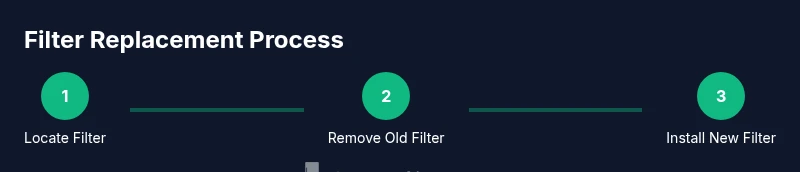
Locate the filter housing
Identify where the filter sits on your model. Depending on the design, it could be behind a grille, inside a pull-out door, or on the side panel. Check your user manual for the exact location and the correct orientation. This step ensures you don’t damage the housing by trying the wrong method.
Tip: Look for arrows or button releases on the housing to confirm how it opens. - 2
Prepare the area and shut off water
Before touching the filter, turn off the water supply valve to prevent leaks. Place a towel or small tray under the area to catch any residual water. This keeps your fridge dry and reduces spill cleanup later.
Tip: If your valve is stiff, use a gentle twist and avoid forcing it. - 3
Remove the old filter
Twist the filter counterclockwise or release the latch as your model requires, then pull the filter straight out. Place the old filter in a trash bag to avoid spreading contaminants. Inspect the housing and gasket for cracks or wear while it’s exposed.
Tip: Don’t force a stubborn filter—apply a small amount of wiggling motion rather than brute force. - 4
Inspect the gasket and housing
Check the gasket for signs of cracking, tears, or hardening. A damaged gasket may cause leaks after installation. If you notice damage, replace the gasket or entire housing according to manufacturer instructions.
Tip: A torn gasket is easier to replace when you have spare parts on hand. - 5
Prepare the new filter
Remove the new filter from its packaging and remove any protective caps. If applicable, remove cap tabs from the filter ends. Ensure the filter is clean and ready for installation.
Tip: Avoid touching the filter media with dirty hands to prevent contamination. - 6
Install the new filter
Align the filter with the housing and insert. Twist clockwise until it clicks or sits firmly, ensuring a tight seal. Wipe away any spilled water and confirm there are no visible gaps around the seal.
Tip: Make sure the orientation arrows line up with the housing. - 7
Flush, test, and reset
Turn the water valve back on and run cold water through the dispenser for 1–2 minutes to flush out carbon fines. If your model has a filter indicator, reset it according to the manual. Check for leaks after installation and monitor the flow rate over the next day.
Tip: Keep a log of the replacement date and any indicator resets for future reference.
FAQ
How often should I replace the refrigerator filter?
Most households benefit from replacing the filter every six months, but it can be sooner with poor water quality or heavy usage. Always consult your refrigerator’s manual for model-specific guidance.
Most people should replace the filter about every six months, but check your manual for your exact model.
Can I clean a fridge filter instead of replacing it?
Filters are designed to be replaced rather than cleaned. Cleaning can push contaminants back into the water and reduce filtration efficiency. Replace the filter to restore quality.
Filters aren’t meant to be cleaned; replacing them restores water quality.
Why is the water still questionable after replacement?
If taste or odor persists, flush the system for several minutes and ensure the filter is properly seated. In some cases, the wrong filter type or a faulty seal can cause ongoing issues.
If the water still seems off, flush longer and recheck seating and compatibility.
Will replacing the filter affect ice maker performance?
Improved water quality and flow from a fresh filter can improve ice taste and clarity. If there’s a drop in performance, verify the filter is correct and there are no leaks in the line.
Fresh filters can improve ice quality and dispenser flow.
Is there a universal refrigerator filter?
No. Refrigerator filters vary by model and connector type. Always confirm compatibility with your specific model before purchasing.
There isn’t a universal fridge filter; check your model’s specs.
How do I reset the filter indicator light?
Most models require holding a reset button or performing a specific sequence in the settings menu. Refer to your manual for the exact steps.
Look up your model’s reset steps in the manual and follow them.
Watch Video
Top Takeaways
- Choose the right model by checking your fridge’s filter code.
- Flush new filters to clear carbon fines.
- Reset the indicator after replacement to reflect status.
- Inspect seals and housing for damage to prevent leaks.
- Keep a replacement log for reliable maintenance.